A little life, a world of love.
Gender selection in Iran may be available depending on clinic policies and applicable regulations; confirm eligibility before booking. IVF + PGD costs start at approximately $5,000, subject to treatment requirements. The process takes around 21 days for IVF + PGD or approximately 14 days for surrogacy + PGD, depending on the treatment plan and medical circumstances.
For international patients, understanding the treatment steps, estimated costs, medical requirements, and applicable regulations is essential before making travel arrangements. VitaLife helps patients understand their fertility treatment options, coordinate medical assessments, and plan their care in Iran.
This guide explains how gender selection works, how long treatment may take, what affects the cost, and what to consider before starting the process.
| Topic | What to Know |
|---|---|
| Main method | IVF with preimplantation genetic testing |
| Purpose | Identifying embryos with XX or XY sex chromosomes before transfer |
| Common terminology | PGD is an older term; the appropriate modern term depends on the genetic test used |
| Treatment duration | Several weeks or longer, depending on the treatment plan |
| Estimated cost | A preliminary estimate of $5,000–$8,000, subject to confirmation of current prices and package inclusions |
| Pregnancy outcome | Embryo selection does not guarantee implantation, pregnancy, or live birth |
| Eligibility | Depends on medical circumstances, clinic policies, and applicable regulations |
| International patients | Medical records and treatment eligibility should be reviewed before travel |
Gender selection, more precisely called sex selection in the context of embryo genetics, refers to identifying embryos with XX or XY sex chromosomes and selecting an eligible embryo for transfer.
The process generally involves in vitro fertilization (IVF in Iran) followed by preimplantation genetic testing. Embryos are created in the laboratory, and a small sample of cells may be collected for genetic analysis before transfer.
The test can identify chromosomal sex, but this does not establish every aspect of a child's future health or development. Genetic testing also has technical limitations, and not every embryo will be suitable for transfer.
For international patients at VitaLife, the service is not limited to testing just one embryo for gender selection. All embryos that meet the criteria for genetic testing are tested through PGD. Patients receive an embryo report detailing each tested embryo's grade (quality classification) and identified chromosomal sex, helping them understand the available options for embryo transfer.
Gender selection is sometimes discussed in two different contexts:
These situations are medically and ethically different. Availability for non-medical family balancing should not be assumed and must be confirmed with the treating clinic.
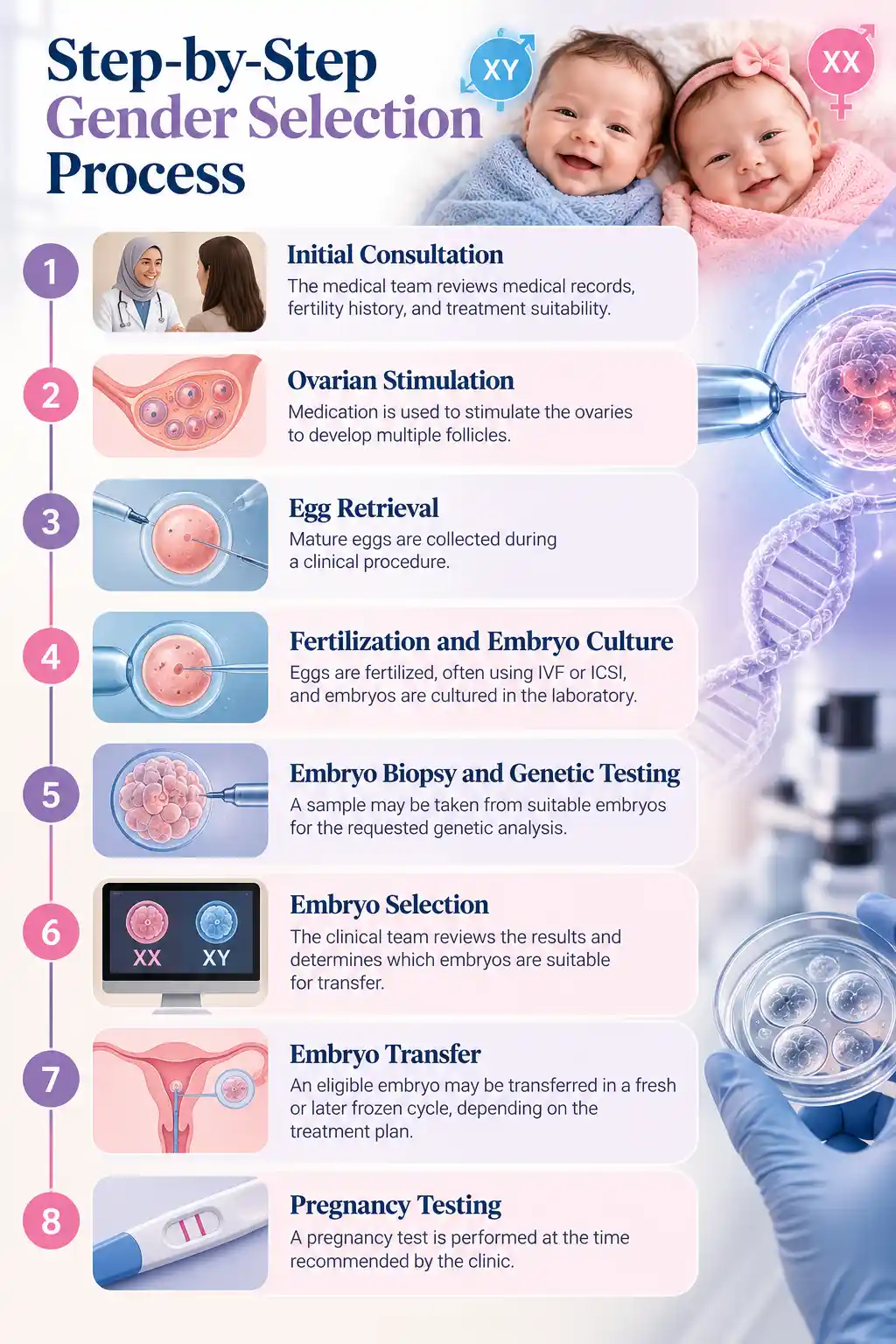
Gender selection usually involves several stages, from the initial medical assessment to embryo transfer. The exact protocol depends on the patient's ovarian reserve, medical history, embryo development, genetic testing requirements, and the clinic's treatment plan.
| Step | Treatment Stage | What Happens |
|---|---|---|
| 1 | Initial consultation | The medical team reviews medical records, fertility history, and treatment suitability. |
| 2 | Ovarian stimulation | Medication is used to stimulate the ovaries to develop multiple follicles. |
| 3 | Egg retrieval | Mature eggs are collected during a clinical procedure. |
| 4 | Fertilization and embryo culture | Eggs are fertilized, often using IVF or ICSI, and embryos are cultured in the laboratory. |
| 5 | Embryo biopsy and genetic testing | A sample may be taken from suitable embryos for the requested genetic analysis. |
| 6 | Embryo selection | The clinical team reviews the results and determines which embryos are suitable for transfer. |
| 7 | Embryo transfer | An eligible embryo may be transferred in a fresh or later frozen cycle, depending on the treatment plan. |
| 8 | Pregnancy testing | A pregnancy test is performed at the time recommended by the clinic. |
Before treatment begins, the fertility team reviews relevant medical information. This may include previous IVF results, ovarian reserve tests, ultrasound findings, semen analysis, genetic reports, and any history of inherited conditions.
The purpose of this assessment is to determine whether IVF and embryo genetic testing are appropriate and whether additional investigations are needed.
International patients can ask about preliminary record reviews before travelling. However, a remote assessment cannot replace every examination or test required by the treating clinic.
If IVF is appropriate, the patient generally receives medication to stimulate the ovaries. Ultrasound examinations and, when necessary, blood tests help the medical team monitor the response.
When the follicles are ready, egg retrieval is scheduled. The number of eggs collected varies between patients and cannot be guaranteed.
For patients who cannot use their own eggs or for whom egg donation is medically recommended, treatment with donor eggs may be an option. VitaLife also helps patients access egg donation services and coordinate the necessary arrangements with the fertility team. The suitability of this option depends on the patient's medical circumstances and the clinic's assessment.
The retrieved eggs are fertilized with sperm in the laboratory. Depending on the clinical circumstances, the clinic may use conventional IVF or intracytoplasmic sperm injection (ICSI).
The resulting embryos are monitored as they develop. Only some embryos may reach the stage suitable for biopsy and genetic testing, and not every tested embryo will be suitable for transfer.
For many preimplantation genetic testing procedures, a small sample of cells is taken from an embryo, commonly at the blastocyst stage. The sample is sent for the relevant genetic analysis.
Depending on the test, results may provide information about sex chromosomes, chromosome number, or specific inherited genetic variants.
Testing is not infallible. Results may be inconclusive, and technical limitations mean that genetic findings must be interpreted alongside the clinical context.
Once genetic testing is complete, the fertility team identifies embryos that may be suitable for transfer. Depending on the intended mother's medical condition, the embryo can be transferred to her uterus or, when appropriate, to a surrogate mother through surrogacy in Iran.
VitaLife helps patients coordinate both fertility treatment and surrogacy process options throughout the IVF implantation process. Embryo transfer does not guarantee pregnancy or live birth.
Gender Selection in Iran (Family Balancing): Cost Compared with Other Destinations
Indicative estimates only. Costs, eligibility and legal requirements vary by country and individual circumstances. Confirm current details before making decisions.
Bars compare the upper end of each entered range; prices are user-provided estimates, not verified quotes.
The following timeline is an approximate planning guide, not a fixed schedule. Some stages overlap, and treatment may take longer if additional testing, frozen embryo transfer, or another IVF cycle is required.
| Stage | Approximate Time | Main Milestone |
|---|---|---|
| Medical assessment and planning | Several days to 2 weeks, depending on records and testing | Treatment plan established |
| Ovarian stimulation | Commonly around 8–14 days | Follicles monitored and prepared for retrieval |
| Egg retrieval | Usually one scheduled day | Eggs collected |
| Fertilization and embryo culture | Approximately 5–7 days of culture for embryos reaching the blastocyst stage | Embryos assessed for possible biopsy |
| Genetic testing | Several days or longer, depending on the laboratory | Results returned |
| Embryo transfer | One scheduled procedure, when clinically appropriate | Eligible embryo transferred |
| Pregnancy testing | Commonly around 9–14 days after transfer, following clinic instructions | Pregnancy assessed |
How long does the complete process take?
A treatment cycle may take several weeks from the beginning of ovarian stimulation to pregnancy testing. The overall timeline can be longer if the patient needs preliminary investigations, embryos must be frozen while results are pending, or transfer is scheduled in a subsequent cycle.
Patients should obtain a personalised schedule from their clinic before booking flights or accommodation.
These terms refer to different types of preimplantation genetic testing. Understanding the distinction helps patients discuss the correct test with their fertility specialist.
| Test | Main Purpose | Relationship to Gender Selection |
|---|---|---|
| PGD | Older terminology for preimplantation genetic diagnosis, historically used for testing embryos for specific genetic conditions | Often used informally in older articles about embryo sex selection |
| PGT-A | Preimplantation genetic testing for aneuploidy, which evaluates chromosome number | May also provide information about sex chromosomes, depending on the test and laboratory reporting policy |
| PGT-M | Preimplantation genetic testing for monogenic conditions caused by specific gene variants | May be considered when evaluating certain inherited conditions, including some that are sex-linked |
The appropriate test depends on the clinical question. PGT-A and PGT-M are not interchangeable, and PGT-A is not a universal test for all inherited diseases.
If the reason for testing is to reduce the risk of a particular genetic condition, genetic counselling is important. The specialist can explain which test is appropriate, what it can detect, and what limitations remain after testing.
The legal and clinical requirements for gender selection should be confirmed before treatment is arranged.
The availability of IVF and embryo genetic testing does not automatically establish that every form of non-medical sex selection is permitted in every circumstance. Clinic policies, medical indications, applicable Iranian requirements, and the laws of the patient's home country may all be relevant.
Before travelling, patients should ask the treating clinic to confirm:
Patients travelling internationally should also check whether their home country has restrictions on obtaining or using embryo genetic testing abroad.
VitaLife can help patients organise a preliminary review and identify the questions that need to be resolved with the treating clinic. Eligibility should be confirmed before making financial commitments or travel arrangements.
Gender selection may be considered for family balancing, reducing the risk of certain inherited conditions, or as part of an existing IVF treatment plan.
Some people wish to consider gender selection when planning their family. This is often described as family balancing.
Whether non-medical family balancing can be offered depends on the clinic's policies and applicable requirements. Patients should obtain confirmation before assuming that this option is available.
Some genetic conditions are associated with sex chromosomes or are more likely to affect one sex. In these situations, genetic counselling can help determine the relevant inheritance pattern and whether PGT-M or another specialised test may be appropriate.
Embryo sex alone is not a substitute for testing for a specific disease-causing genetic variant when such testing is indicated.
People undergoing IVF for infertility may ask whether embryo genetic testing can be incorporated into their treatment. The decision depends on the clinical indication, the proposed test, the number and development of embryos, and the applicable rules.
Adding genetic testing may affect treatment costs, embryo-transfer timing, and the number of embryos considered eligible for transfer.
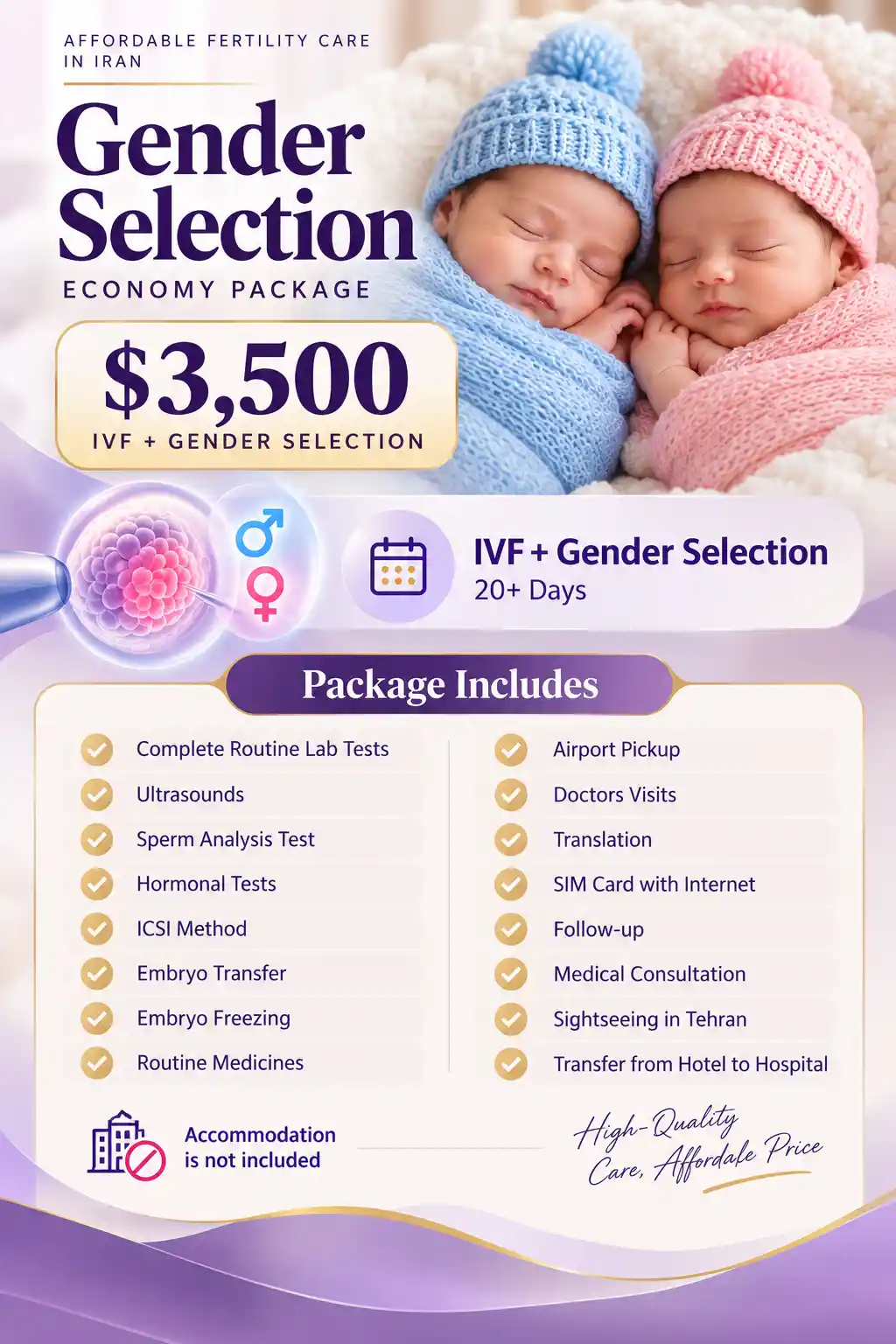
The cost of gender selection in Iran depends on the IVF protocol, medications, genetic testing method, laboratory fees, and whether frozen embryo transfer or additional treatment cycles are needed.
A preliminary estimate previously used in VitaLife-related content is $5,000–$8,000. This range should be treated as indicative rather than a confirmed current quotation. The actual price and package inclusions must be verified with the provider before publication or booking.
| Cost Component | What to Confirm |
|---|---|
| Initial consultation and investigations | Whether record review, laboratory tests, and ultrasound examinations are included |
| IVF or ICSI | Which fertilization method and laboratory procedures are covered |
| Stimulation medication | Whether medication is included or billed separately |
| Embryo genetic testing | Which test is used, how many embryos are covered, and whether repeat or inconclusive testing incurs additional fees |
| Embryo transfer | Whether the first transfer is included in the package |
| Embryo freezing and storage | Whether freezing and storage are included, and for how long |
| Additional cycles or transfers | The cost if no suitable embryo is available or another cycle is needed |
Patients should request a written quotation that clearly lists included services, exclusions, potential additional costs, payment terms, and the clinic's cancellation policy.
A low advertised price may not include every part of the treatment process. Comparing packages on the basis of their actual inclusions is more useful than comparing headline prices alone.
Patients researching fertility treatment abroad may compare specialist experience, laboratory capabilities, treatment costs, communication, and practical support.
A personalised assessment helps determine whether IVF and embryo genetic testing are appropriate for an individual case. Patients should review the treating specialist's qualifications and ask about the clinic's experience with the specific procedure being considered.
A clear treatment plan should explain the expected stages, the tests required, the likely schedule, and which expenses are included. It should also identify circumstances that could lead to extra costs or changes in the plan.
International treatment may require coordination of medical records, consultations, travel dates, accommodation, and follow-up arrangements. VitaLife can assist with coordinating these steps, subject to confirmation of the services available for each patient.
The treating clinic remains responsible for medical decisions, treatment delivery, and clinical follow-up.
Patients considering gender selection in Iran can start by organising their medical information and discussing their goals with the appropriate fertility team.
The exact plan may change after in-person assessment or additional testing. Patients should avoid booking non-refundable travel arrangements based on an estimated treatment timeline alone.
IVF and embryo genetic testing are available through fertility providers, but this does not mean every form of gender selection is available to every patient. The clinic must confirm whether the specific request can be considered under its policies and applicable requirements.
Genetic testing can identify sex-chromosome information with high analytical accuracy when the test is appropriate and produces a reliable result. However, no test should be described as infallible. Laboratory limitations, inconclusive findings, and biological factors can affect interpretation.
No. Testing may identify an embryo with the requested chromosomal sex, but there may not be a suitable embryo available. Embryo transfer also does not guarantee implantation, an ongoing pregnancy, or live birth.
A preliminary estimate used in previous VitaLife-related content is $5,000–$8,000. Current pricing must be confirmed, including whether medications, genetic testing, freezing, storage, and embryo transfer are covered.
An IVF cycle with embryo testing may take several weeks, but the exact duration varies. Genetic testing, frozen embryo transfer, additional investigations, or another treatment cycle can extend the timeline.
Embryo genetic testing can help reduce the risk of transmitting certain known inherited conditions when the appropriate test is used. PGT-M may be suitable for some single-gene conditions, including certain sex-linked disorders. Testing does not eliminate every genetic or developmental risk, so specialist genetic counselling is important.
Patients can ask VitaLife about a preliminary review of their medical records and the possibility of arranging a consultation. The clinic must confirm which documents are needed and whether an in-person assessment is required before treatment.
No. PGD is an older term commonly associated with testing for specific genetic conditions. PGT-A evaluates chromosome number, while PGT-M tests for specified single-gene conditions. The correct test depends on the medical purpose.
Not necessarily. Some embryos may not develop to a stage suitable for biopsy, some results may be inconclusive, and some embryos may not be considered suitable for transfer. The number of available embryos and the treatment outcome cannot be guaranteed.
If you are considering gender selection in Iran, the first step is to understand your medical options, the relevant testing requirements, and whether the requested treatment can be considered in your circumstances.
VitaLife can help you organise a preliminary medical review, coordinate communication with fertility providers, and understand the practical steps involved in planning treatment.
Request a Fertility Assessment to discuss your circumstances and the information needed for a personalised treatment plan.
Medical disclaimer: This article is for educational purposes only and does not replace individual medical advice, genetic counselling, or legal guidance. Treatment eligibility, applicable regulations, testing methods, costs, and clinic policies should be confirmed directly with the relevant providers before proceeding.
American Society for Reproductive Medicine (ASRM). Use of reproductive technology for sex selection for nonmedical reasons: an Ethics Committee opinion. 2022.
American Society for Reproductive Medicine (ASRM). The use of preimplantation genetic testing for aneuploidy: a committee opinion. 2024.
American Society for Reproductive Medicine (ASRM). Guidance on preimplantation genetic testing for monogenic conditions (PGT-M).
A little life, a world of love.

The beginning of a beautiful new chapter.

Small moments. A lifetime of meaning.

A precious new beginning.
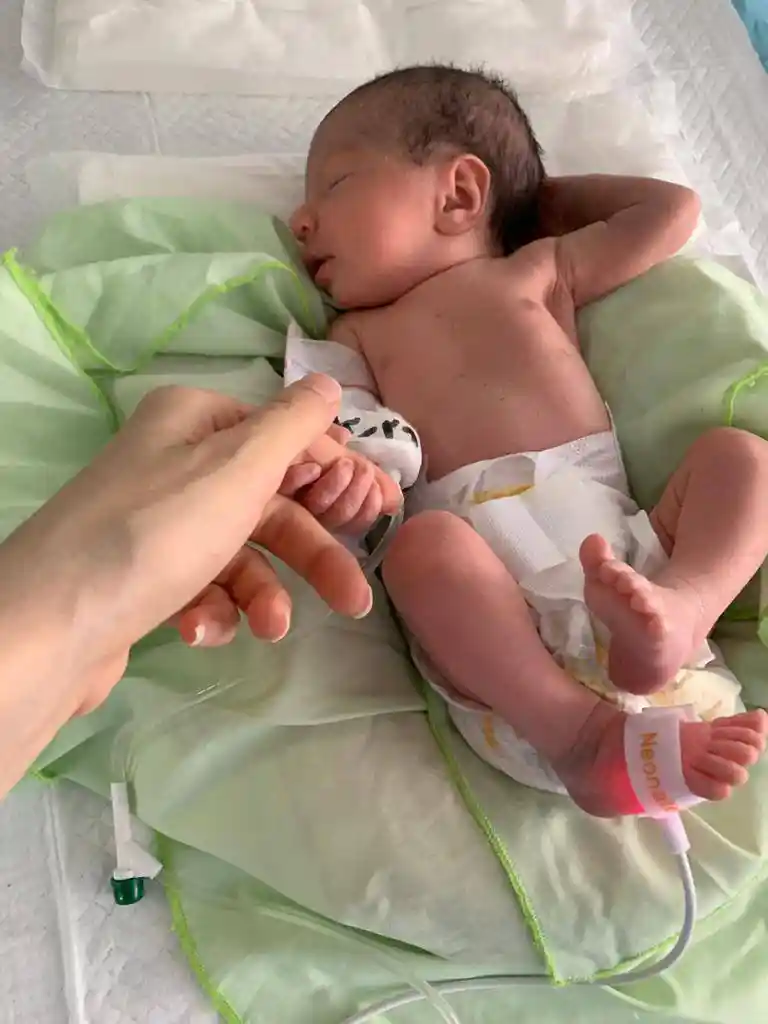
A precious new beginning.

A precious new beginning.
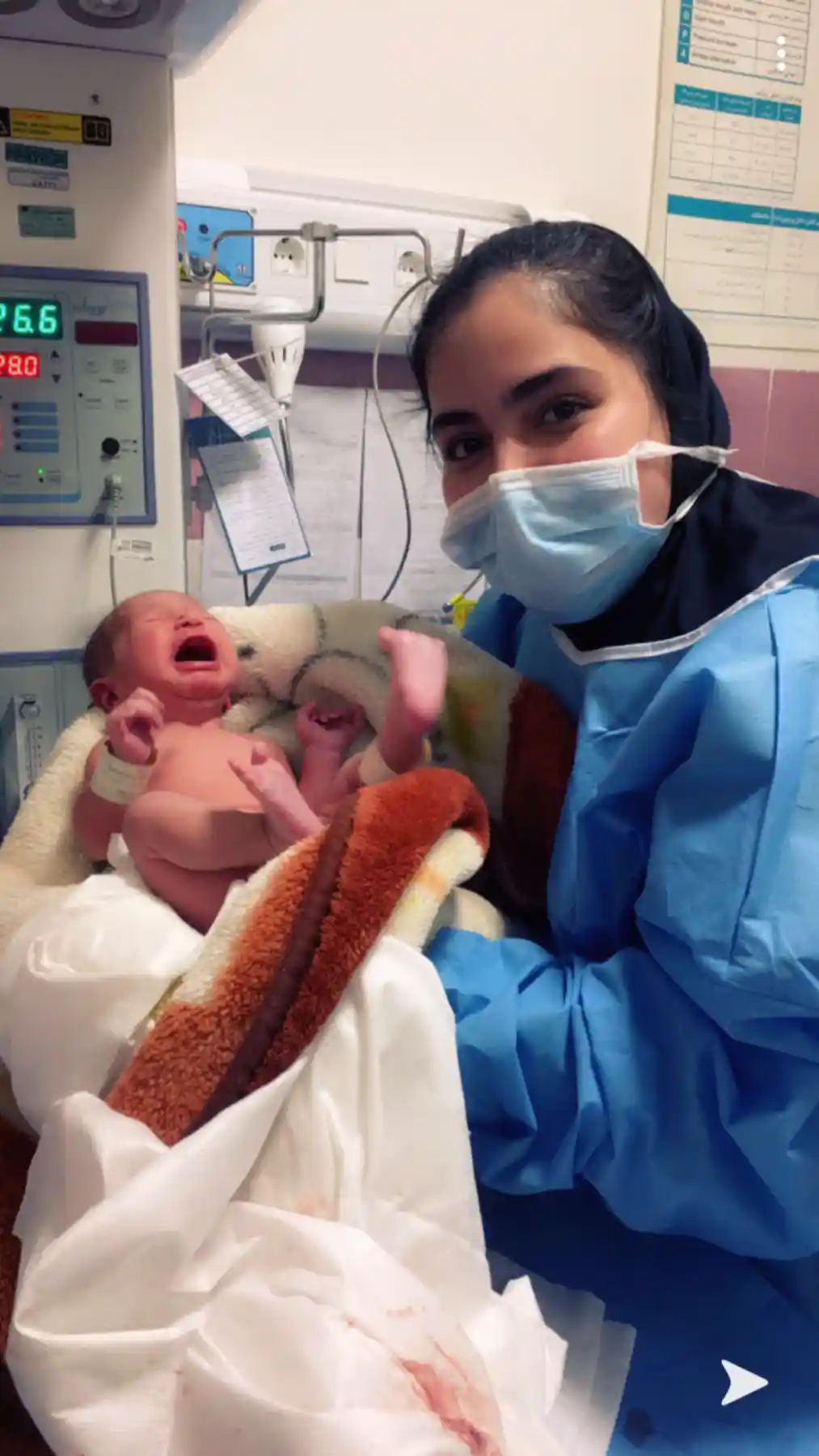
A little miracle, a lifetime of love and hope.
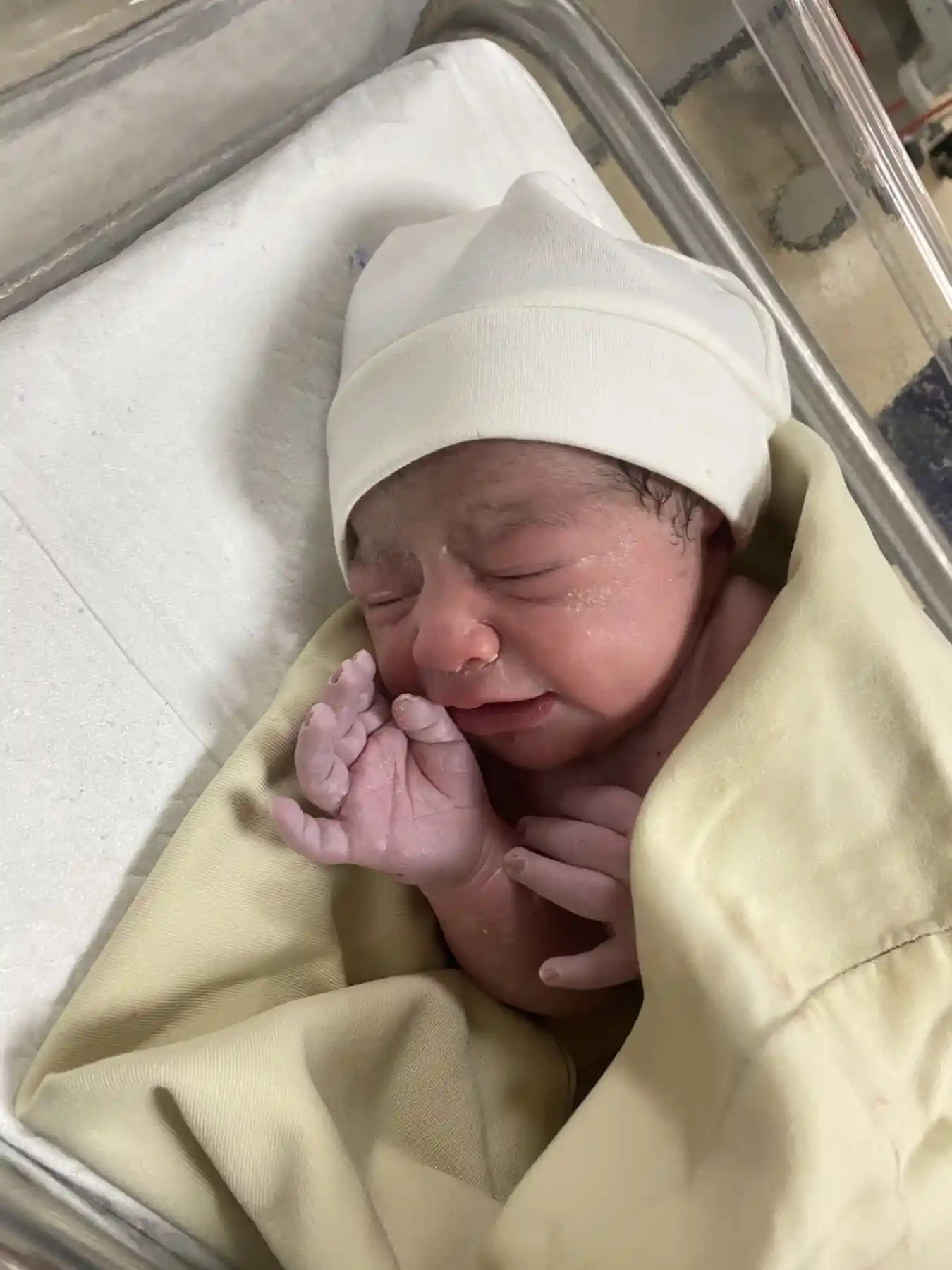
Every tiny hand holds a dream come true for a family
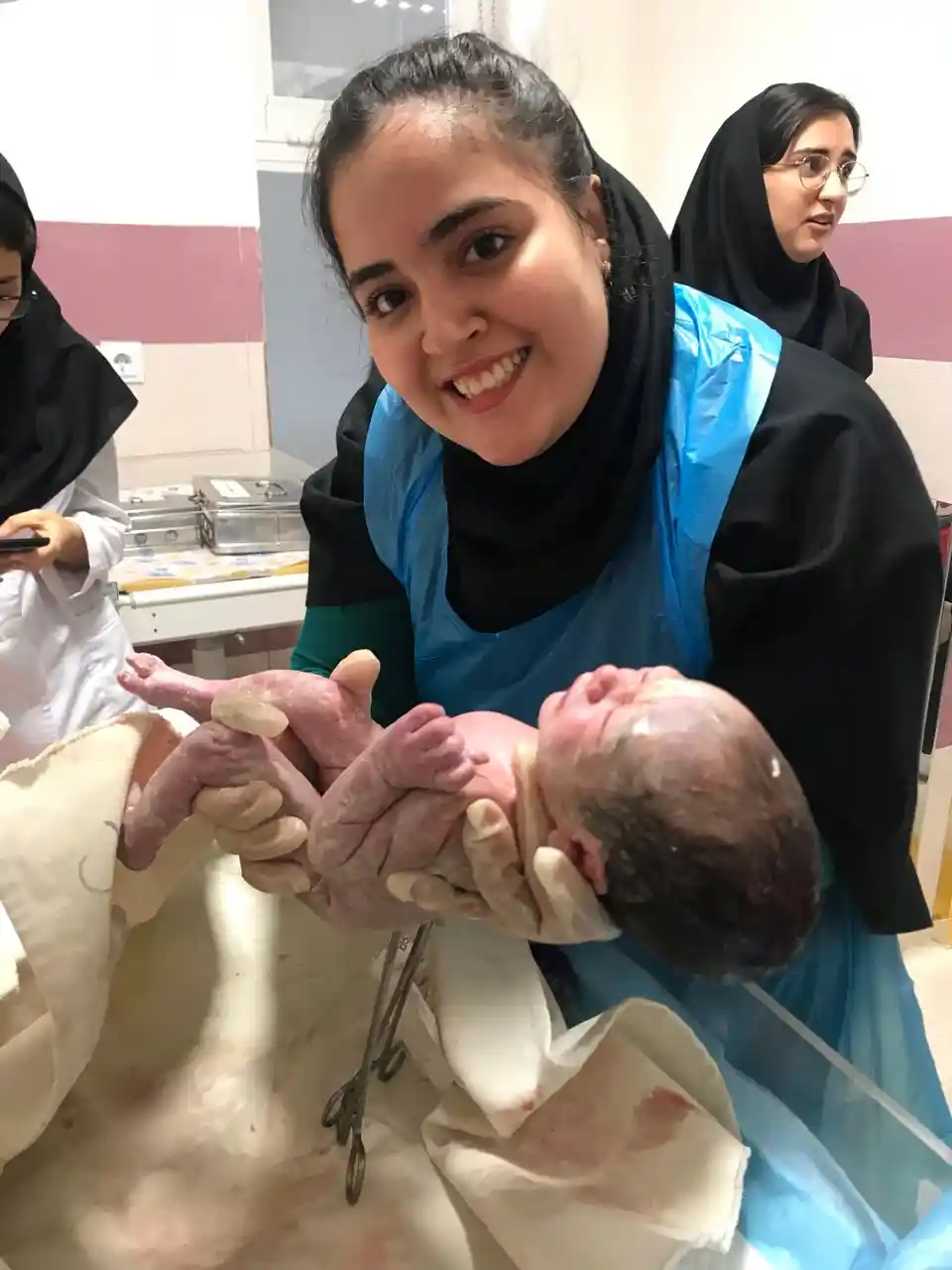
One beautiful beginning, after years of hope and love.
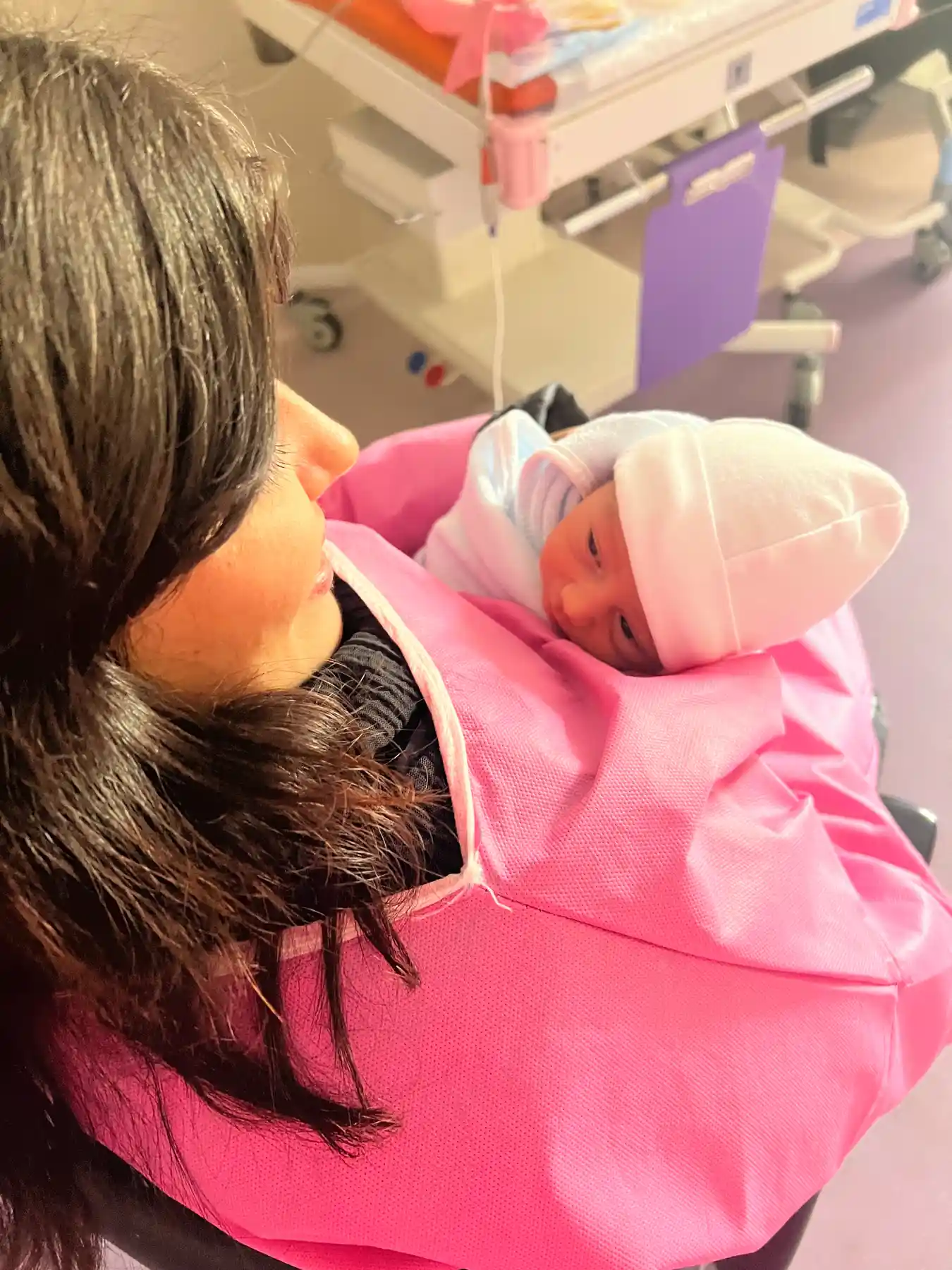
The sweetest answer to a family's heartfelt prayers.
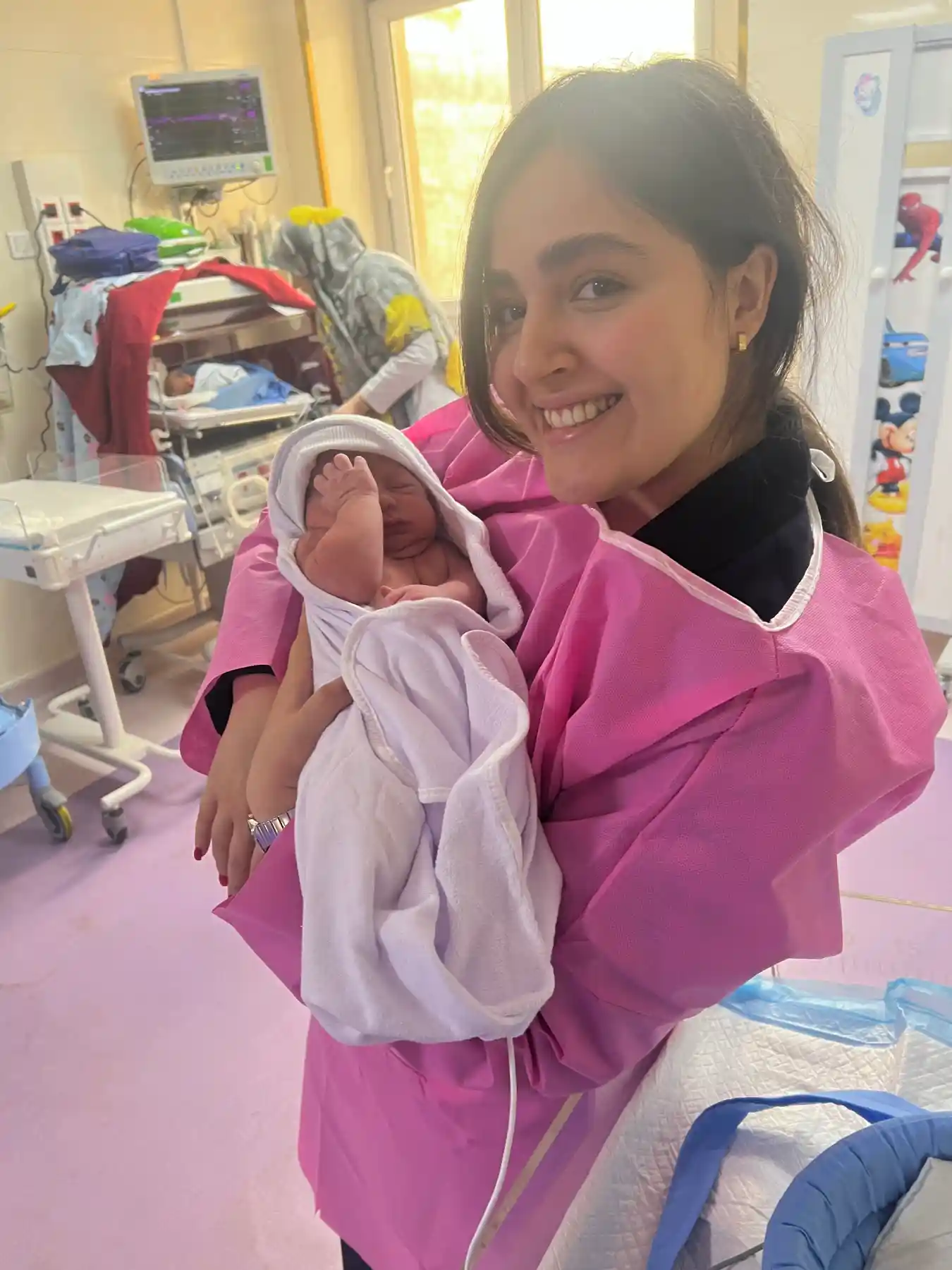
A new chapter begins with the smallest, sweetest smile.

Little feet, endless love, and a dream finally fulfilled.

Some dreams arrive wrapped in the tiniest bundle of joy.
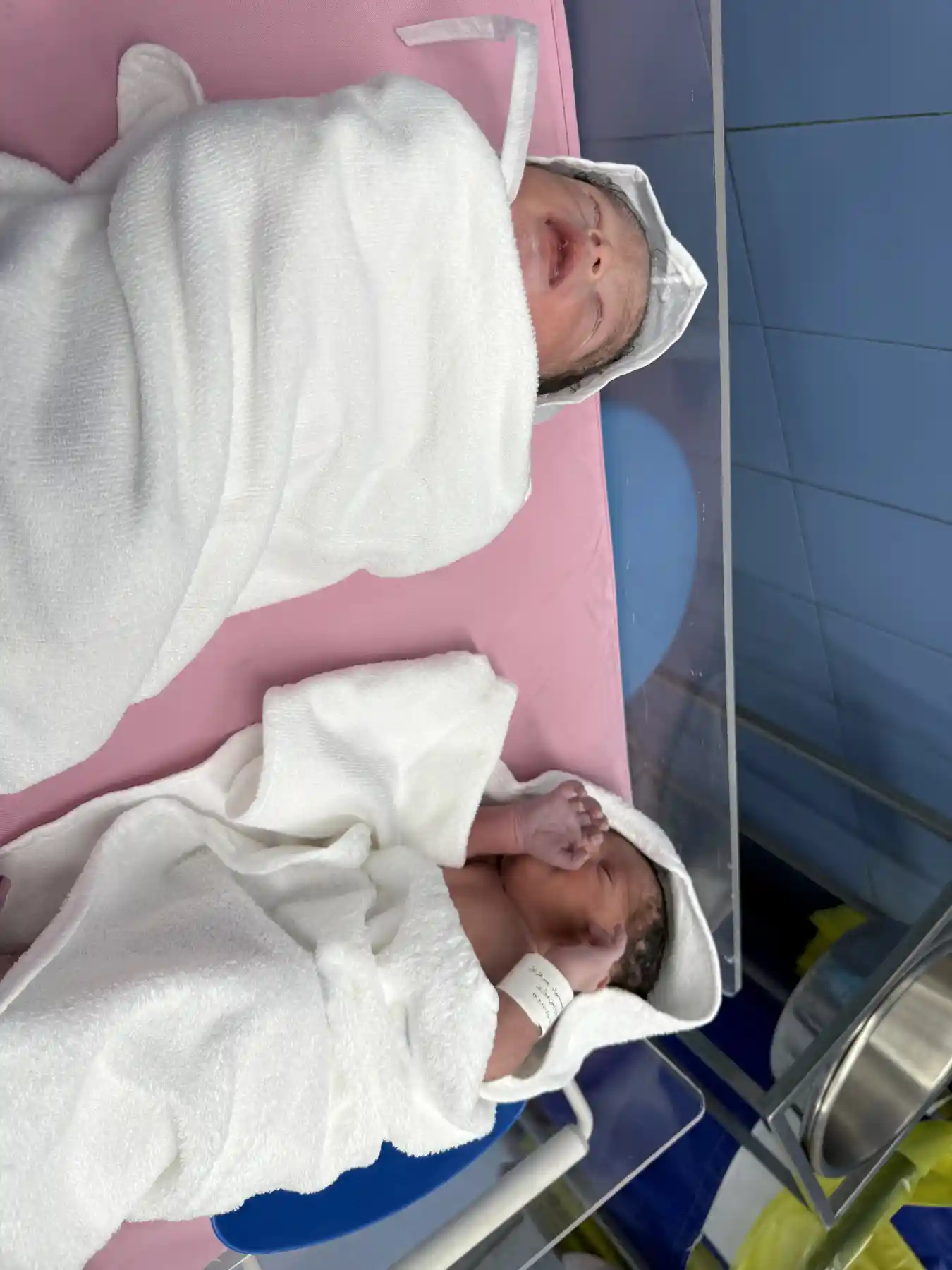
After every wait, a new reason to smile and believe.
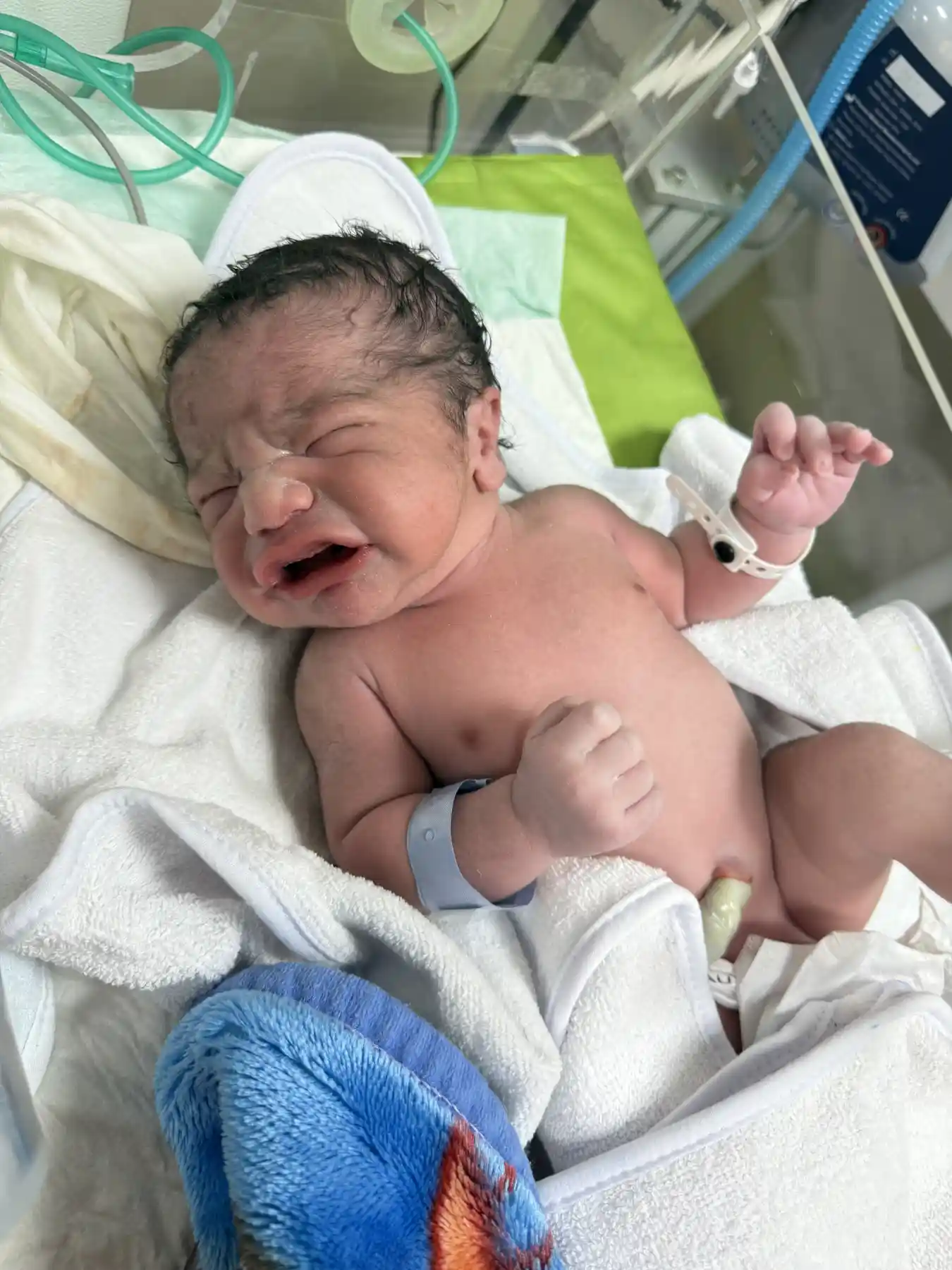
A precious new life makes every hopeful moment worthwhile.

Love grows in ways we once only dreamed possible.
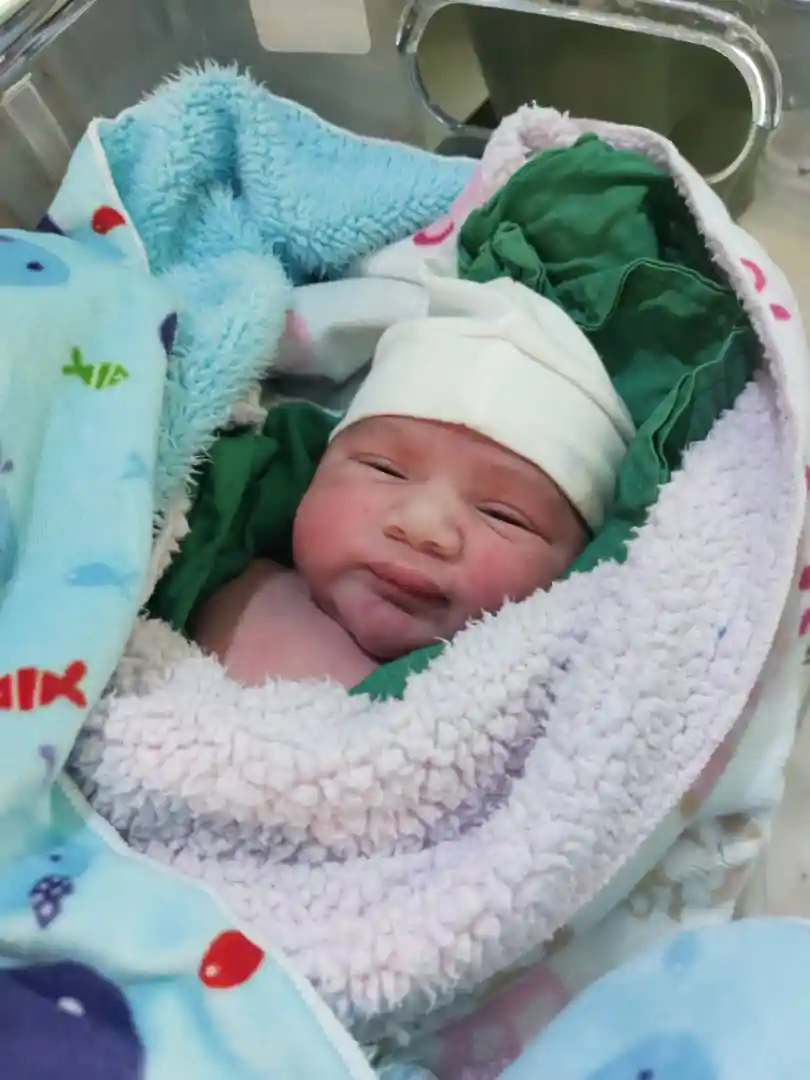
The smallest arrival can bring the biggest happiness.
Meet the specialists supporting fertility care and treatment planning.

Obstetrician and Gynecologist; Fellowship in Infertility and IVF
Infertility and Reproductive Medicine, In Vitro Fertilization (IVF), Obstetrics and Gynecology

Obstetrics & Gynecology | Women’s Health | Reproductive Health

Urologist · Men’s Infertility
Explore the medical center supporting treatment coordination.

Baharan Negar Infertility Clinic is a fertility treatment center located near Vanak Square in Tehran, Iran. The clinic provides reproductive medicine services for individuals and couples experiencing infertility. Its reported services include in vitro ferti...
View Clinic ProfileTalk with VitaLife about your options, practical arrangements and questions to raise with your treating specialist.
Request a consultation