A little life, a world of love.
Egg donation is a fertility treatment in which eggs from a screened donor are fertilized through IVF or ICSI, and the embryo is transferred to the recipient or a gestational carrier. At VitaLife in Iran, it starts at $2,000, or $5,500 with IVF. This guide covers who may need it, how it works, and what to ask before you travel.
Choosing it is never an easy decision. When treatment also means traveling to another country, concerns naturally grow, and it's normal to hesitate. Questions about quality of care, legal rules, cost, and communication are reasonable ones, and they deserve straight answers.
This guide explains how donor-egg treatment works, who it may suit, what VitaLife offers in Iran, what it costs, and what to settle before you travel. The question worth asking isn't only "how much does it cost?" but "is this the right treatment for me, and is this the right clinic?"
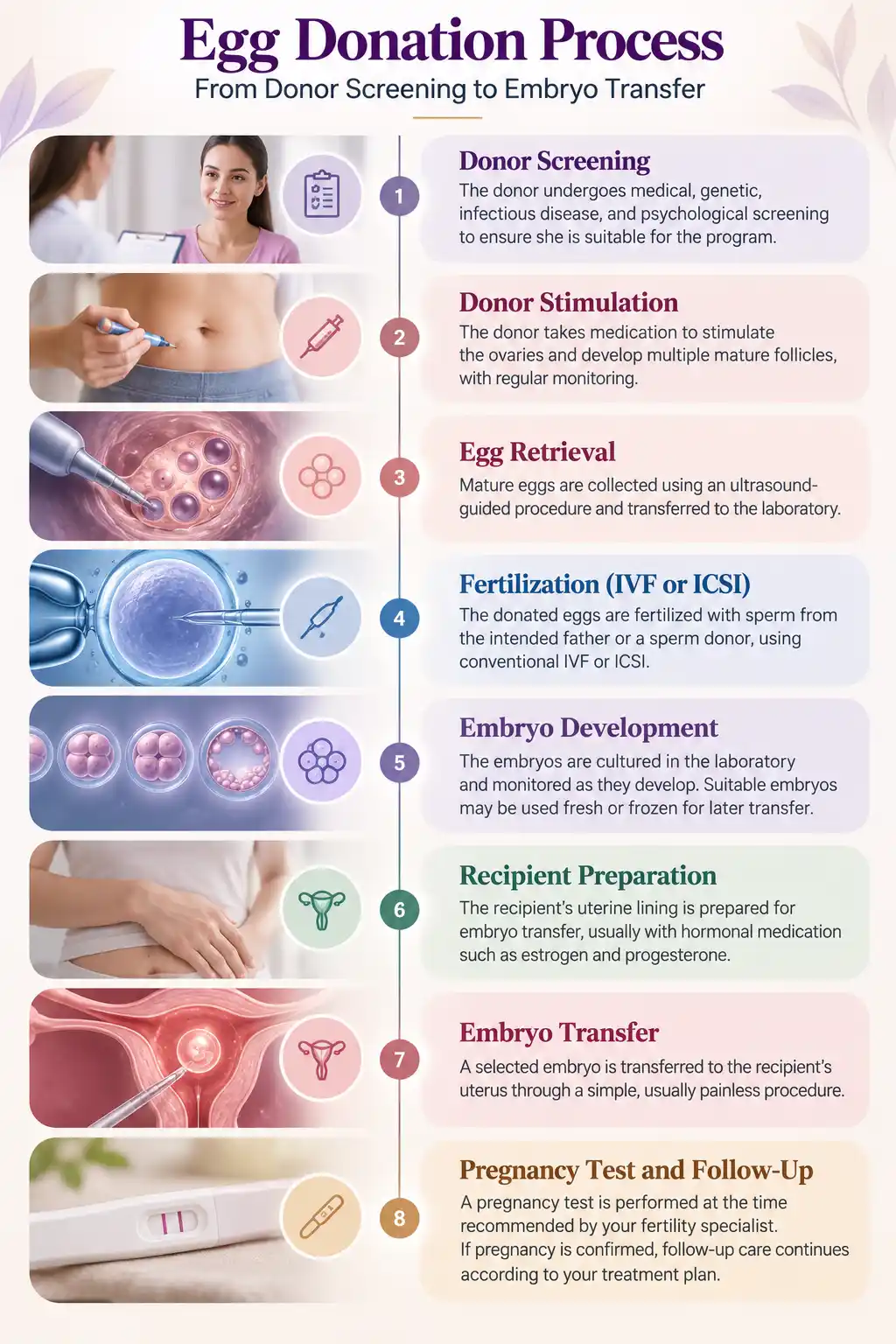
In standard IVF, a woman's own eggs are retrieved and fertilized. With egg donation, the eggs come from a donor, while the recipient prepares her uterus to receive the embryo. Sperm can come from the intended father or from a sperm donor. For a couple facing a fertility problem on the egg side, this separates the egg source from the person who will carry the pregnancy.
Egg donation and IVF aren't alternatives to each other. Donor eggs are used within IVF or ICSI. The donor goes through ovarian stimulation and egg retrieval, and the recipient's treatment focuses on uterine preparation and embryo transfer. It's an established part of assisted reproduction, not an experimental route, but it is invasive for the donor, which is why proper screening and counseling matter.
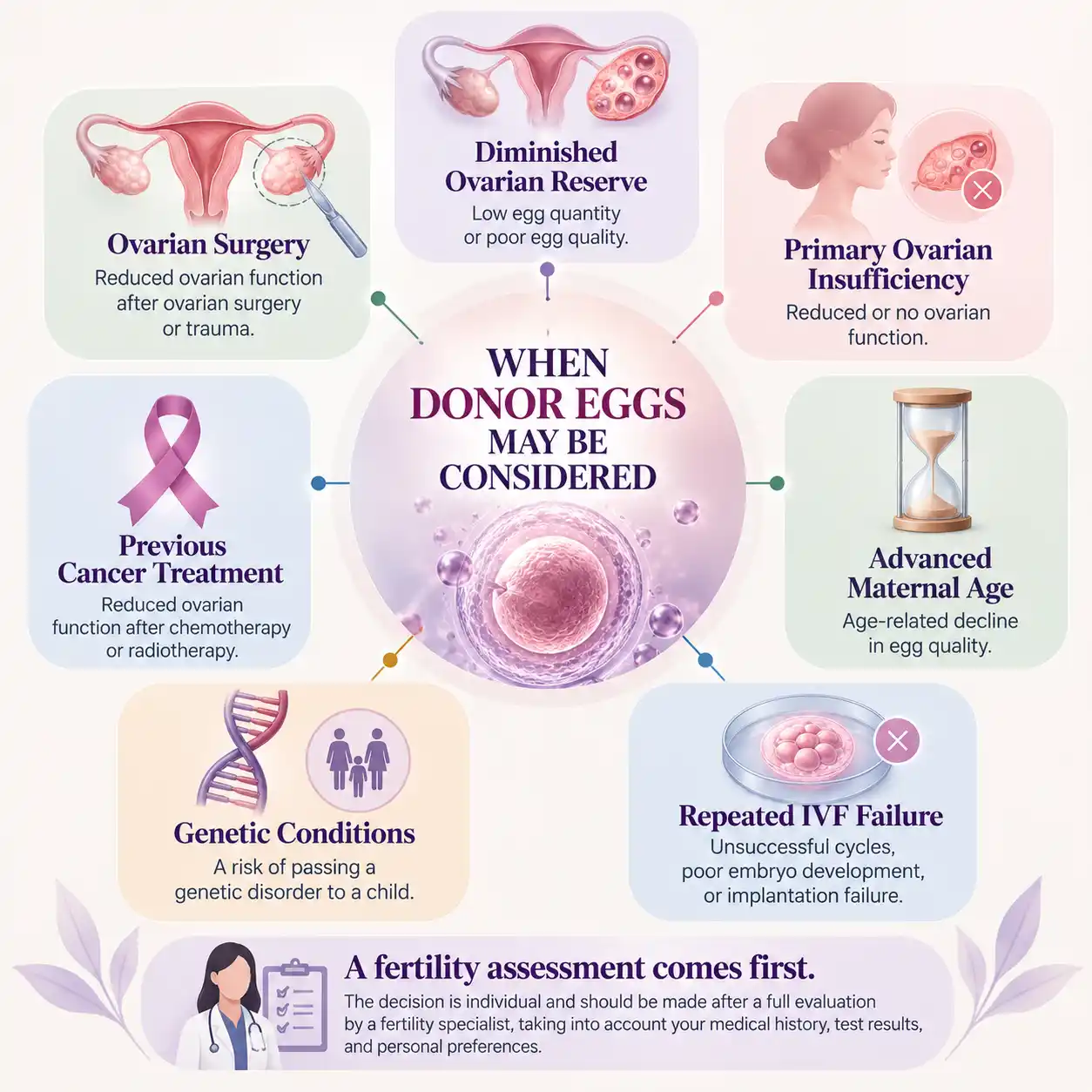
Donor eggs may be considered when a woman's own eggs are unlikely to give a reasonable chance of pregnancy, or when a genetic condition makes using them a concern. The decision is individual. It usually weighs age, ovarian reserve, past IVF results, medical history, and personal preferences. There's no universal age at which donor eggs become the answer, and whether a fertility problem is mainly about the eggs, the uterus, or sperm changes the picture.
Situations where it comes up include:
| Situation | What a specialist typically looks at |
|---|---|
| Low ovarian reserve | AMH, antral follicle count, past response to stimulation, number of eggs retrieved |
| Primary ovarian insufficiency | Menstrual history, hormone levels, the underlying cause, whether any usable eggs remain |
| Advanced maternal age | Age-related egg quality, previous IVF results, overall health and pregnancy risks |
| Repeated IVF failure or poor embryo development | Egg yield, fertilization, embryo development, and whether an egg factor is likely |
| Genetic condition | The condition, how it's inherited, genetic counseling, and whether embryo testing is an alternative |
| Cancer treatment or ovarian surgery | How much ovarian tissue and function remain |
| Repeated pregnancy loss | Other causes first (uterine, hormonal, genetic, immune factors), then whether egg quality is a likely contributor |
No single test settles the question. A low AMH result or a certain birthday doesn't mean donor eggs are the only route. On the other hand, a woman who can't conceive naturally and has been through several unsuccessful cycles may reasonably want to hear what donor eggs could offer. A proper assessment by a fertility specialist should come first.
VitaLife works with international patients considering donor-egg treatment in Iran, either on its own, together with IVF in Iran, or combined with surrogacy when medically appropriate. The right route depends on your medical history and what your assessment shows.
After reviewing your case, VitaLife coordinates:
If you're reading this from outside Iran, you probably have practical concerns first. Can I have treatment there? What will it cost? Who will I actually deal with? How much can I sort out before I travel?
Many people considering treatment abroad have already been through care at home, sometimes more than once. They're weighing numerous factors: cost, waiting times, donor availability, and how much they can organize from a distance. Those are legitimate reasons to compare your options, and the choice of country is yours to make with full information. Many people naturally want a second opinion first, and that's sensible.
For some patients, background matters too. Iran is an Islamic country, and some Muslim couples prefer treatment in an Islamic country, while others simply want a donor with a similar cultural background. Some Muslim couples ask specifically whether an Iranian donor can be matched. VitaLife's program includes both Iranian and Afghan donors. Whether an Iranian donor is available for your dates depends on who is in the program when your treatment is planned, so ask early. If a religious ruling matters to your decision, discuss it with your own religious advisor, and ask the team whether an Iranian donor or another donor is the better fit for your situation.
Within that picture, here's what VitaLife offers:
No country is a trusted destination by default, and that includes Iran. Iran has gained attention from international patients, mostly because of cost and availability, but attention isn't a quality guarantee. What makes any place a trusted destination is what you can check for yourself.
Look at the clinic's reputation through independent sources rather than its own marketing. Ask about the laboratory facilities and how the clinic's day-to-day operations work. Find out which fertility physicians in Iran will manage your case, which fertility hospital will perform retrieval and transfer, and who is accountable if something goes differently than planned. A clinic that welcomes those questions deserves more trust than one that avoids them. Treat any claim that Iran is a trusted destination, including ours, as something to verify.
Treatment abroad also has trade-offs: travel, time away from home, language barriers, and arranging follow-up care with your own doctor. It doesn't guarantee an outcome, and it doesn't replace your own research.
VitaLife donors are generally between 25 and 35 and need to meet the donation program's medical criteria. Donor criteria in programs like this typically exclude life-threatening illness, serious inherited conditions, and infections that could be passed on. Before a cycle begins, screening can include:
The aim is ensuring that donors are medically suitable and reducing avoidable medical and genetic risks. Matching depends on who is available when your treatment is planned. If you're hoping for an Iranian donor, or would like to know about Afghan donors, say so at the start so the team can check availability.
Genetic screening is one area where programs differ. Professional guidance generally includes carrier testing for conditions such as cystic fibrosis, with further testing tailored to the donor's family history and ancestry. Some programs add chromosome analysis or testing for other conditions, and some countries don't require broader panels at all. Rather than assuming, ask exactly which tests were done for your donor and which conditions they cover.
If you'd like to know more about a donor, VitaLife can share the profile information that is available and permitted for treatment planning. It's worth asking early what that includes.
Rules on donor anonymity differ widely around the world. Some countries make donation strictly anonymous. Others give donor-conceived people the right to identifying information once they turn 18. Specialists in donor conception have emphasized that anonymity and secrecy can't be assumed to last forever, and they encourage families to plan for open conversations. Ask what information is recorded, what is shared, and whether any of it can be accessed later.
A responsible program looks after the donor too. Reasonable questions to ask include: how informed consent is obtained, whether donors are offered counseling, how donors are compensated, whether there's a limit on how many times one woman can donate, and what follow-up care donors receive. These aren't only ethical questions. They also say something about the quality of the program you're choosing. Donors should be completely informed about the procedure and its risks before they agree.
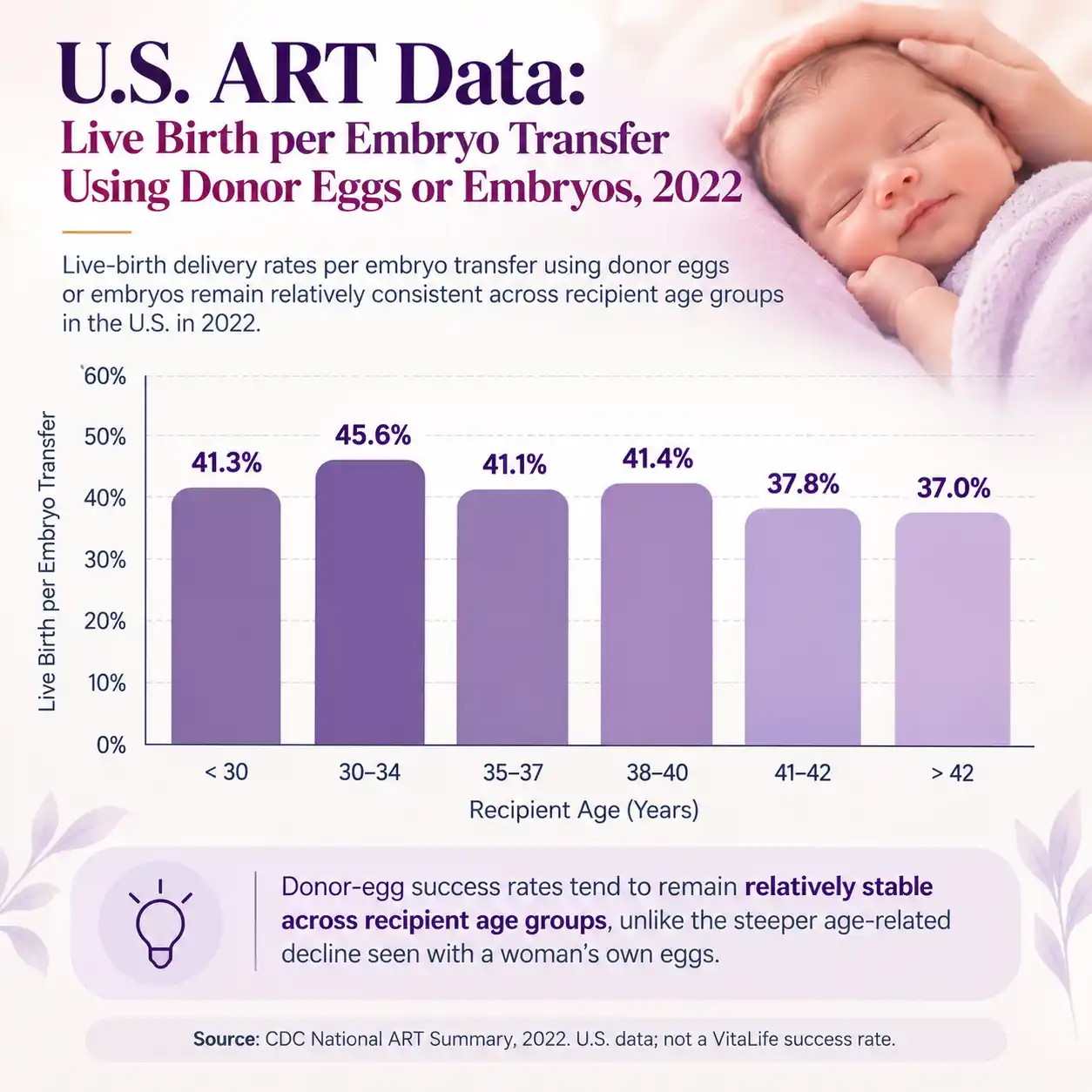
The lab work in donor-egg IVF is much the same as in conventional IVF: eggs are fertilized by IVF or ICSI, embryos are cultured, and a suitable embryo is transferred. What changes is the source of the eggs, and with it, what influences the outcome. It also changes the price, because the cost of IVF with donor eggs includes a donor's cycle on top of your own treatment.
In donor-egg treatment, the age and biological characteristics of the donor's eggs play a much larger role in egg-related outcomes than the age of the egg receiver. That's why donor eggs can change the outlook for women whose own egg quality is the main barrier.
They don't remove every age-related factor, though. The egg receiver's age and health still affect how safely a pregnancy can be managed. Donor eggs replace the egg source, not the need to be medically fit for pregnancy.
Donor-egg treatment starts with a proper medical evaluation of the recipient, and of her partner if there is one. Guidance from the American Society for Reproductive Medicine describes the usual components:
For female recipients over 45, a more thorough assessment is recommended, including heart function and the risk of pregnancy-related conditions. A specialist in high-risk pregnancy may also be advised. This isn't meant to discourage anyone. It's what makes a pregnancy safer for the egg receiver. Clinics also set their own age policies, so ask about VitaLife's before you plan.
A donor-egg cycle runs on a schedule built backward from the day of egg retrieval. Because the donor's cycle starts before you arrive, much of the preparation happens before your trip to Iran, and the egg donation timeline is calculated around the date you can be in Tehran.
Once a donor is matched and screened, she's placed on medication to synchronize and stimulate her cycle. VitaLife's protocols follow what's standard in IVF worldwide. The treating physician chooses the exact drugs and doses, and brand availability varies, but these are the medications most commonly used:
Donor medications
| Purpose | Medication (generic name) | Common brand names |
|---|---|---|
| Schedule and synchronize the cycle | Combined oral contraceptive pills (ethinylestradiol with levonorgestrel, or with drospirenone) | Microgynon, Yasmin, and others |
| Prevent premature ovulation | GnRH antagonists: cetrorelix, ganirelix | Cetrotide, Orgalutran, Fyremadel |
| Prevent premature ovulation or suppress the cycle (agonist protocols) | GnRH agonists: leuprolide, triptorelin, buserelin | Lupron, Decapeptyl, Diphereline, Suprefact |
| Stimulate several follicles at once | Gonadotropin injections: follitropin alfa and beta (FSH), menotropin (hMG), follitropin alfa with lutropin alfa | Gonal-f, Puregon, Menopur, Pergoveris |
| Mature the eggs before retrieval | Trigger injection: hCG (choriogonadotropin alfa or urinary hCG), or a GnRH agonist in some protocols | Ovitrelle, Pregnyl, Decapeptyl |
The egg receiver prepares on a separate track, so her medications run alongside the donor's rather than after them.
Recipient medications
| Purpose | Medication (generic name) | Common brand names |
|---|---|---|
| Build the uterine lining | Estrogen: estradiol valerate tablets or estradiol patches | Progynova, Estrofem, Estraderm |
| Support the lining and early pregnancy | Progesterone: micronized progesterone (vaginal capsules, suppositories, or gel), progesterone in oil by injection, or oral dydrogesterone in some protocols | Utrogestan, Cyclogest, Crinone, Duphaston |
| Suppress the recipient's own ovaries (if she still has regular cycles) | GnRH agonists: leuprolide, triptorelin | Lupron, Decapeptyl |
The recipient's lining is checked so that transfer can happen at the optimal time.
During stimulation, doctors observe the donor's response with ultrasound and, where appropriate, blood tests throughout, adjusting the plan as needed. If something unexpected happens, such as a weaker response than hoped, the plan may change.
For a fresh sperm sample, VitaLife plans your visit, with careful coordination of travel dates against the donor's cycle, so that you're in Tehran, at the clinic, on the day of egg retrieval. The donor's eggs are collected in an ultrasound-guided procedure that usually takes about half an hour. You provide a fresh sample that day, and it's used to fertilize the fresh donated eggs shortly afterward by conventional IVF or ICSI. See our guide to the IVF process.
If your sperm quality is a concern, VitaLife can arrange two egg donors for the same fee you've already paid. Whether that applies to you is confirmed during your consultation, once the team has seen your semen analysis. More eggs give the lab more to work with when only a limited number of sperm are suitable for ICSI, which is a good reason to send a recent semen analysis early.
Fresh or frozen? A fresh transfer happens in the same cycle the embryo is created, which means the donor's and recipient's cycles have to be synchronized. A frozen transfer uses an embryo cryopreserved earlier and transferred in a later, separately prepared cycle, so the timing doesn't have to match. Frozen transfers are widely used and can make scheduling more flexible. Some programs also offer frozen eggs from an egg bank; ask whether VitaLife does, since results with frozen eggs depend on the lab's freezing technique. Transfer is done at the optimal time for the uterine lining, and which approach suits you is a medical and logistical decision, so ask about it up front.
Embryologists grade embryos by how they've developed and how they look. A higher grade generally suggests a better chance of implantation, but it's not a guarantee, and the embryo's quality is only one factor alongside uterine preparation and transfer technique.
How many embryos? The number of embryos transferred is decided in your treatment plan. Transferring more than one can raise the chance of twins or higher multiples. Multiple pregnancies carry greater risks for both the mother and the babies, which is why clinics and professional guidelines increasingly favor single-embryo transfer when appropriate. Ask what VitaLife's approach is and how the decision is made for you.
Patients often ask about a grade A embryo boy or girl, as if the grade said something about sex. It doesn't. Embryologists observe how an embryo divides and develops, and grading describes that development and appearance, not whether the embryo is male or female. A grade A embryo boy or girl would look the same under the microscope in terms of grade.
Whether sex can be determined or selected is a separate legal and ethical question. Non-medical sex selection is prohibited in many countries, and this page isn't presenting it as a VitaLife service. If it matters to you, ask the clinic directly what its policy is, and check what your own country allows.
If the intended mother can't safely carry a pregnancy, donated eggs can be combined with surrogacy. The donor's eggs are fertilized by IVF or ICSI, and the embryo is transferred to a gestational carrier.
The path looks like this: egg donor → egg retrieval → IVF/ICSI → embryo creation → transfer to the gestational carrier → pregnancy. VitaLife can coordinate both parts when medically appropriate. For more, see surrogacy in Iran and the surrogacy process.
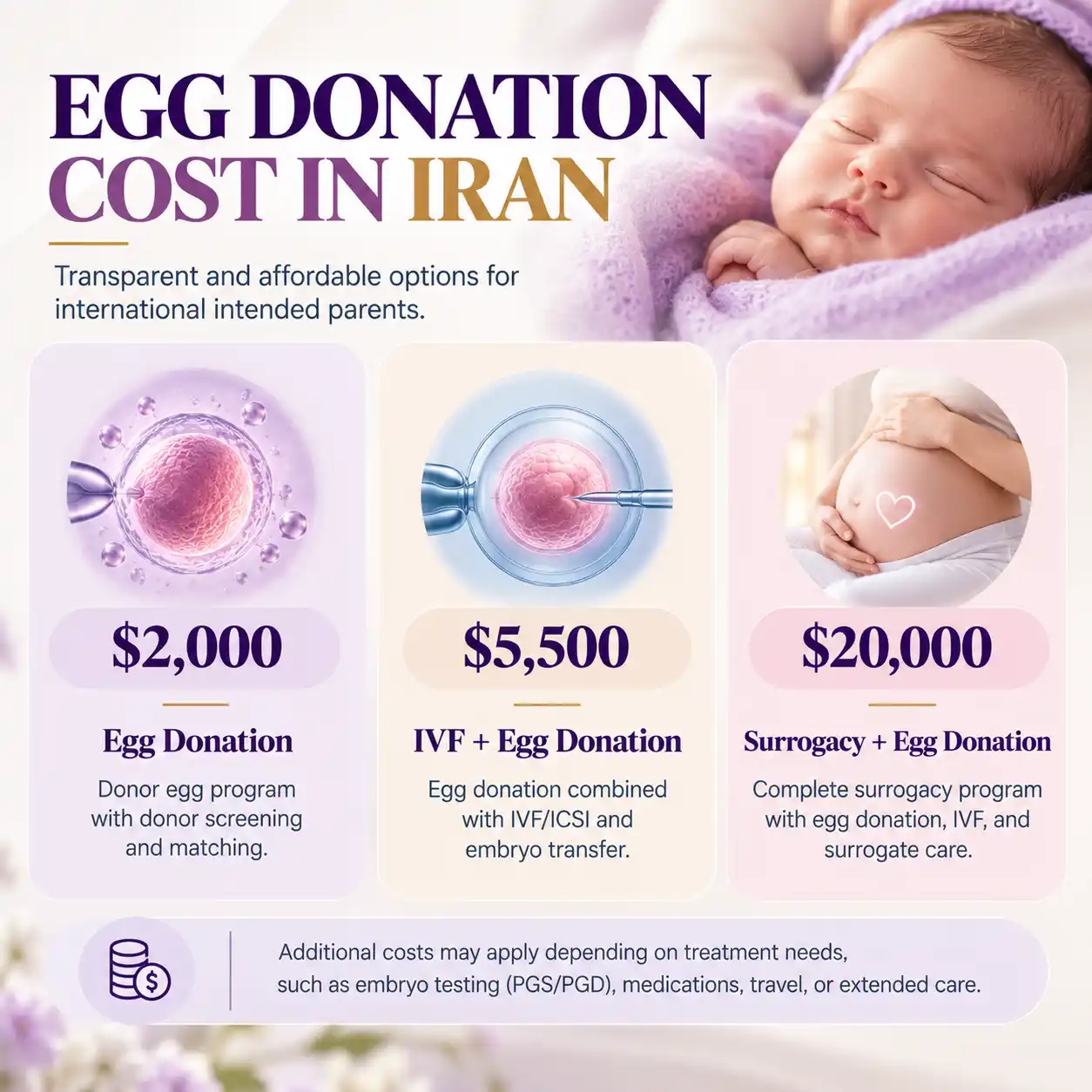
Here is the current cost of IVF with donor eggs in Iran at VitaLife, alongside the other pathways:
| Treatment | Price |
|---|---|
| Egg donation | $2,000 |
| IVF + egg donation | $5,500 |
| Surrogacy + egg donation | $20,000 ($18,000 surrogacy package + $2,000 egg donation) |
The $2,000 covers the egg donation component. When you compare the cost of IVF with donor eggs across clinics, check what each price includes. The cost of IVF with donor eggs in Iran can also change with your medical needs, including medications, embryo testing, laboratory procedures, or services outside the standard package. Unexpected extras are what turn a reasonable quote into financial stress.
A low quote may simply reflect a narrower package. Before committing, ask for a written list of what's included and what isn't, and request the full treatment plan and cost estimate before you travel. Travel, accommodation, and any repeat cycles are separate planning points.
No single success rate applies to every donor-egg cycle, and a clinic that quotes one number without context isn't giving you much to work with. For a sense of scale, US national registry data (SART/CDC, 2020), as reported by the American Society for Reproductive Medicine, showed an average live-birth rate of about 53.5% per embryo transfer for fresh donated eggs. That's a US average, not a VitaLife figure, and it can't tell you what to expect for any particular patient. Results with fresh donated eggs and with frozen eggs can differ, and the gap depends partly on the lab's freezing technique, so ask a clinic for its own data on both.
Several things shape an individual result:
Because of this, one percentage shouldn't be the deciding factor when choosing a clinic. Ask how results are measured. Live birth per embryo transfer is a different measure from a positive pregnancy test per cycle, and a result per single transfer isn't the same as a result across several attempts. Success rates are calculated in different ways, so figures can't be compared across clinics without knowing which patients and treatments are included. Numbers reflect the patients treated, not just the clinic. Numerous factors sit behind any single figure.
Egg donation involves medication and medical procedures, so risks should be discussed before treatment. For donors, it's generally considered safe, and most women have no problems beyond discomfort during stimulation and retrieval. It still isn't risk-free.
For donors, short-term effects can include bloating, cramping, headache, breast tenderness, mood changes, injection-site bruising, and temporary ovarian enlargement, after which the ovaries shrink back. The most commonly reported complication is ovarian hyperstimulation syndrome (OHSS), a reaction to the fertility drugs involving an accumulation of fluid in the abdomen. Most cases are mild, but severe OHSS is serious and may need hospital care. Numerous studies report OHSS rates, but they vary widely, and much of the research relies on donor surveys rather than medical records. Less commonly, there can be bleeding, infection, or injury to nearby organs during retrieval. Donors are also advised to avoid unprotected intercourse during a cycle, since stimulation makes pregnancy possible.
Weight gain is common and temporary. A donor may have gained a few pounds by retrieval because of the accumulation of fluid and the larger ovaries, and once the ovaries shrink back after the next period, the weight usually comes off without much effort.
For recipients, the main considerations are hormonal preparation, the embryo transfer procedure, and pregnancy itself. Multiple pregnancies raise risks, as does an older recipient's age. Any medical condition that led to using donated eggs matters too.
Medical questions are rarely the only ones. After years of living with a fertility problem, many people are tired as well as hopeful. For some, the biggest concern is not having a genetic link to the child. Others struggle with choosing a donor, how much to know about her, or whether and when to tell a child about donor conception. Partners and relatives may see things differently.
None of these has a single right answer. Professional guidance has emphasized proper counseling before treatment for recipients, and many people find it helps to talk it through with their partner, a counselor experienced in donor conception, or both. It's reasonable to take your time, and to wait until you're feeling ready and completely comfortable with the decision.
Traveling for treatment adds numerous practical steps beyond the medical ones. For many international patients, the biggest concern isn't the procedure itself but the surrounding logistics, and good coordination between the clinic, you, and your home doctor is what holds it together. Comparing clinics takes some effort, but it's worth it. The aim is to keep the process as stress-free as it realistically can be, and travel itself can be stressful.
Tests at home: ask which medical lab will run your pre-treatment tests, and whether results from your local medical lab are accepted.
What to send for an initial review: your fertility history, previous IVF records, recent test results, a recent semen analysis if there's a male partner, and any other relevant documents. VitaLife's team can assess these before you make travel plans.
Reputation: a reputation for clear communication matters as much as one for results, so ask for contact with past patients from your own country where that's possible.
Day to day: ask how the clinic's operations handle patients abroad, such as messages sent outside local working hours.
Contact: ask who your point of contact is throughout treatment and how to reach them out of hours.
Who treats you: ask which of the fertility physicians in Iran will oversee your case, and whether you can speak with them before you travel.
Timeline and trips: the egg donation timeline depends on donor availability, your preparation, and whether you plan a fresh or frozen transfer. Ask how far ahead each appointment must be booked, how many trips you'll need, how many days each stay lasts, and whether monitoring scans and blood tests can be done at a clinic at home and shared with the team.
Facilities: ask what facilities are on site, such as the lab, the operating room, and the recovery area, and whether a tour or video is available.
Where it happens: rules for visitors and companions can differ by fertility hospital, so ask what applies to you and who can be with you on retrieval and transfer days.
First days: ask what to expect on the first day of your trip to Iran, including where to go and who meets you.
Language: language barriers can make an already stressful process harder. Ask who your main contact will be, which language they work in, and whether a medical interpreter is available, because communicating clearly with the clinic matters at every step.
Medical and legal requirements: eligibility, required paperwork, and regulations can differ by nationality and treatment type, and they can change. Ask for the current requirements to be confirmed in writing, ensuring nothing is left to assumption, including which legal documents you need before and after treatment.
Legal parentage back home: this is easy to overlook. Rules on legal parentage after donor conception, and on recognizing a child born through treatment abroad, differ from country to country. Speak to a lawyer in your own country before treatment, and ask which legal documents you'll need for birth registration and citizenship.
Money: ask for the cost of IVF with donor eggs to be itemized before you travel. Clear answers on costs help you avoid financial stress mid-treatment.
After you return home: ask how follow-up will work, including pregnancy testing, who monitors early pregnancy, and which records you'll hand to your local doctor. Book your first appointment with that doctor before you leave. Hormone support often continues into early pregnancy, so also ask which medications you'll need and where to get them.
No trip like this is entirely stress-free, but clear answers in advance make it easier. A stress-free experience isn't something any clinic can promise, so be wary of unrealistic promises. Ask the team to tell you honestly whether donor eggs are likely to help in your case. A clinic that honestly explains the limits of treatment, including what could go differently, is easier to trust. Treat any clinic that offers unrealistic promises as a warning sign, not a selling point. Honest answers should come from the fertility hospital as well as from the people marketing it. The more confident you feel about the plan, the less each step will feel like a leap.
A published success rate is only one piece of the picture. Also ask about:
Comparing the whole treatment pathway gives you a better basis for deciding than any single number, and a clinic shouldn't be chosen solely on price or solely on one advertised rate.
Is egg donation the same as IVF? No. Egg donation describes where the eggs come from. IVF is the lab process of fertilizing eggs and creating embryos. Donor eggs are used within IVF or ICSI.
Is egg donation invasive? Yes, for the donor it involves hormone injections and a retrieval procedure with sedation, anesthesia, or pain relief. Most donors recover quickly, and for recipients the embryo transfer is generally a brief procedure.
Is egg donation painful? Donors may have cramping, bloating, or soreness, especially around retrieval, and the procedure itself is done with pain relief. For recipients, the main discomfort comes from hormonal medication. Experiences vary, and your medical team can tell you what to expect.
Does egg donation cause weight gain? Temporarily, yes. The donor takes hormones that stimulate the ovaries, and an accumulation of fluid can occur as they enlarge, though they shrink again afterward. A donor may have gained a few pounds by retrieval, but it usually resolves after the next period without much effort.
Is there a genetic connection with the baby when using donor eggs? There isn't a genetic link between the child and the intended mother, since donated eggs come from the donor. If sperm from the intended father is used, the child is genetically his. The recipient carries and gives birth to the baby. How much the genetic question matters is personal, and talking it through with a counselor can help.
Should I tell my child they were conceived with donor eggs? There's no single rule, but many specialists in donor conception encourage families to be open, and to start early in age-appropriate ways. Counseling before treatment can help you think through how and when.
Can I choose my egg donor? VitaLife has Iranian and Afghan donors. Matching is based on the program's medical criteria, your preferences where possible, and which donors are available when your treatment is planned. VitaLife can share the donor profile information that's available and permitted for review. Ask what you can see, and how much say you have in the match.
Are donor eggs better than my own eggs? Not automatically. Donor eggs from a young, screened donor may offer a better chance of healthy embryos when your own eggs are limited by age, ovarian reserve, or genetics. For other women, treatment with their own eggs may still be reasonable. A fertility specialist can help you weigh the two.
Can I use donor eggs if I'm over 40? Possibly. Donor eggs may be considered when age-related egg quality makes treatment with your own eggs unlikely to work, but a medical assessment is needed to decide whether pregnancy would be appropriate and safe for you. Clinics may also have their own age policies, so ask about VitaLife's.
Are egg donors screened, and how old are they? Yes. Screening can include medical and family history, physical examination, hormonal and ovarian assessment, ultrasound, infectious disease testing, genetic assessment when indicated, and psychological evaluation. VitaLife donors are generally between 25 and 35, subject to the program's medical eligibility criteria.
Does egg donation affect a donor's future fertility? Current evidence hasn't shown that donating eggs reduces a woman's later fertility or brings on menopause earlier, since only a small fraction of her eggs are used in a cycle. Long-term research is still limited, so donors should discuss this with the clinic before agreeing.
Can embryos created from donor eggs be frozen? Yes. Suitable embryos can be cryopreserved for a later transfer when medically appropriate.
Can donor eggs be used for surrogacy? Yes. Embryos created from donor eggs can be transferred to a gestational carrier when surrogacy is medically appropriate.
What happens if donor-egg IVF doesn't work? A negative result is hard, and it doesn't always point to one cause. Your specialist will usually review the cycle, including the embryo's quality, uterine preparation, and the transfer. Any remaining frozen embryos may be an option for another transfer, and the number of embryos transferred in each attempt is also reviewed, and further testing or a repeat cycle may be discussed. Ask any clinic in advance how it handles an unsuccessful transfer.
Will my home country recognize a child born through donor eggs abroad? That depends on your country's laws, and rules on parentage and birth registration vary. Speak to a lawyer in your home country before treatment.
How much is the cost of IVF with donor eggs in Iran? At VitaLife, egg donation is $2,000, IVF with egg donation is $5,500, and surrogacy with egg donation is $20,000. Medications, embryo testing, and other procedures outside the standard package may add to the total.
Can international patients have egg donation in Iran? Possibly, depending on medical circumstances, nationality, donor requirements, and the regulations in force at the time. Each case is reviewed individually before travel.
How long does the egg donation timeline take? It varies with donor availability, medical preparation, embryo development, and whether the transfer is fresh or frozen. A personalized timeline can be provided after medical review.
If a fertility problem hasn't responded to previous IVF cycles, your ovarian reserve is low, or your fertility specialist has recommended donor eggs, a review of your records is a good place to begin. You don't need to have made a decision, even if you're feeling overwhelmed or unsure, and you shouldn't hesitate to ask the questions on this page. Send your medical history to VitaLife and the fertility team can review it, ensuring you have a clear picture before you travel, and tell you whether donor eggs make sense for your situation and what your options in Iran look like. A clinic's reputation among patients from your own country is also worth asking about. You should feel confident in the answers before you pay any deposit.
A little life, a world of love.
The beginning of a beautiful new chapter.
Small moments. A lifetime of meaning.
A precious new beginning.
A precious new beginning.
A precious new beginning.
A little miracle, a lifetime of love and hope.
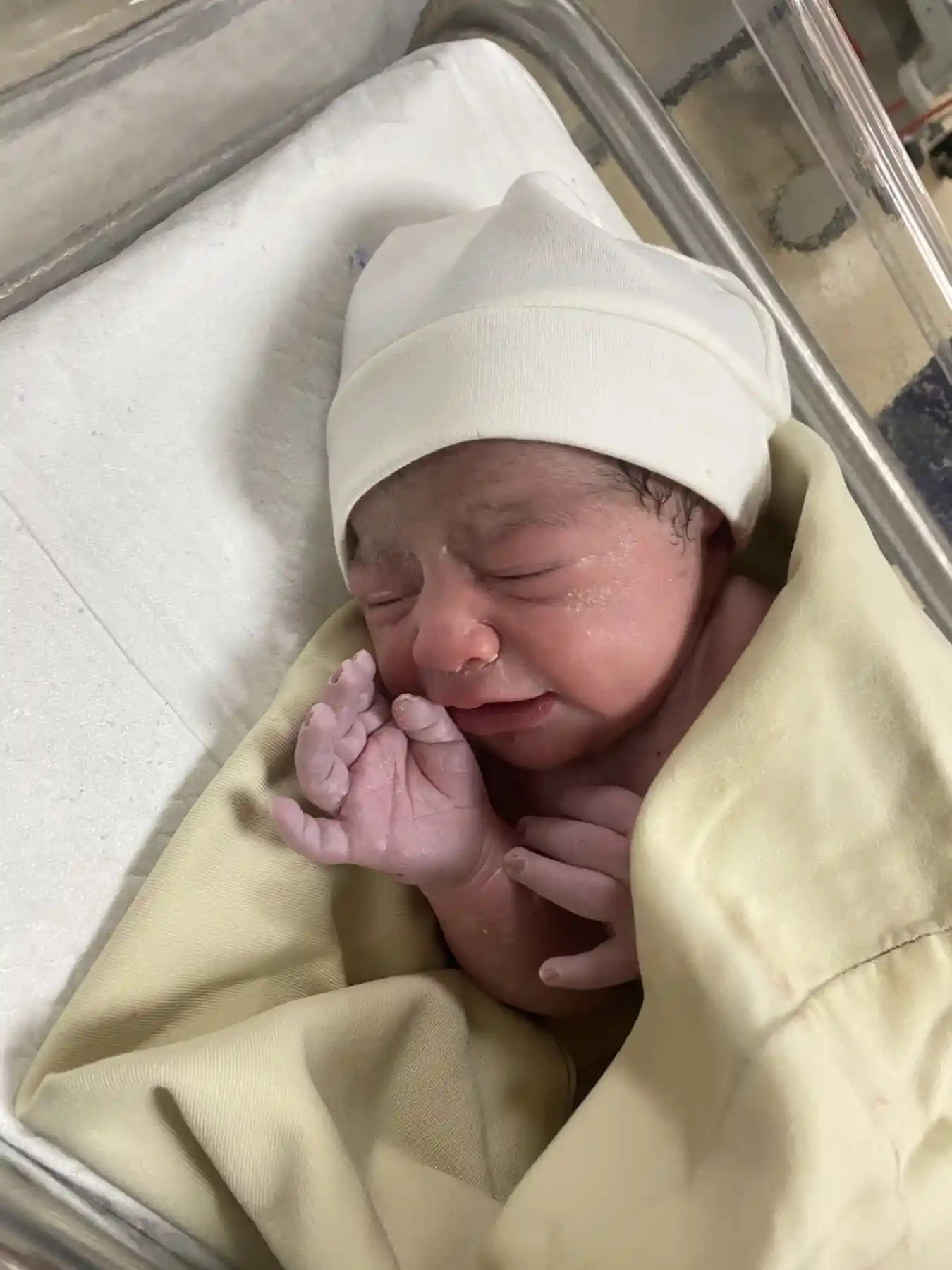
Every tiny hand holds a dream come true for a family
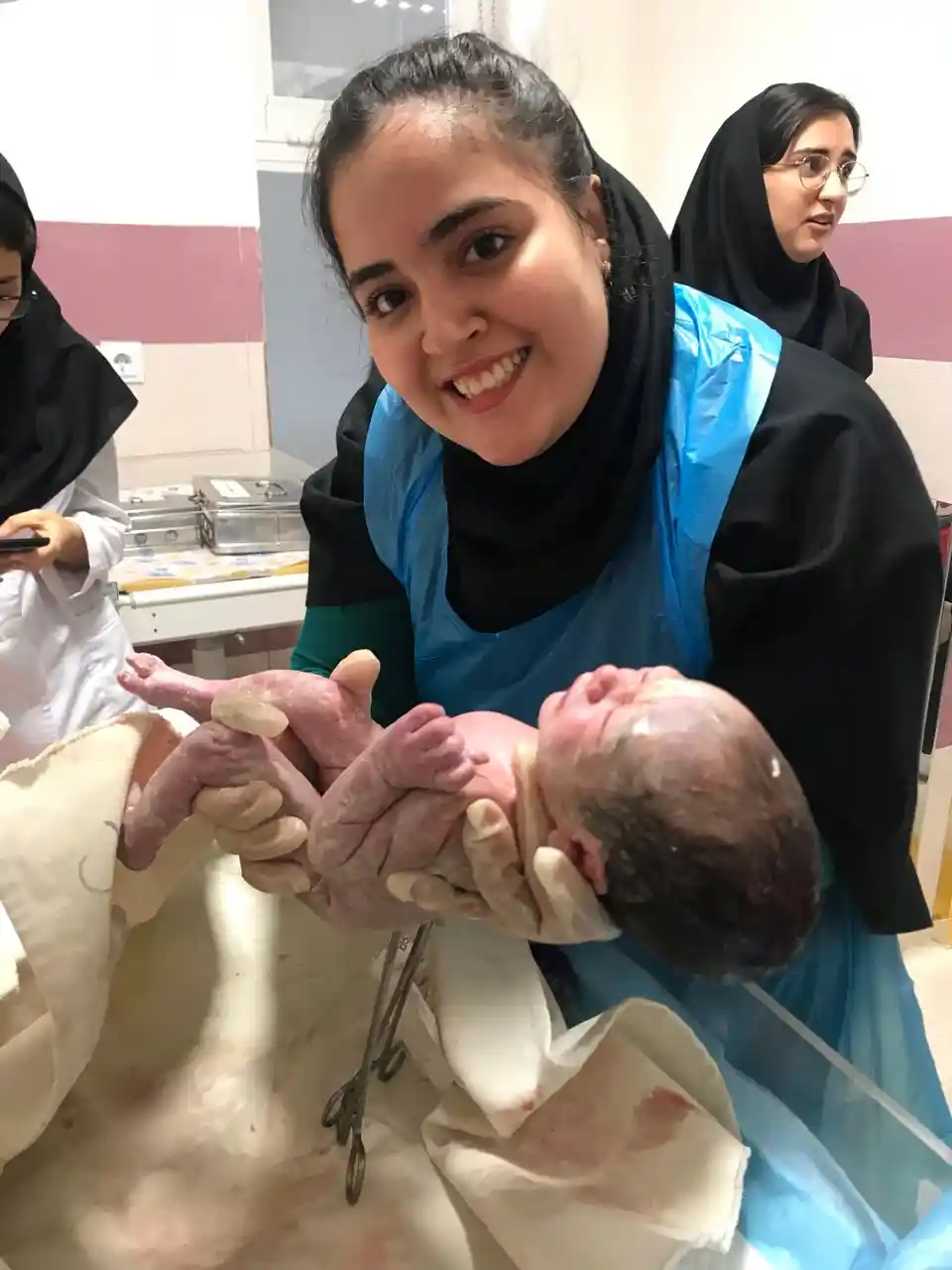
One beautiful beginning, after years of hope and love.
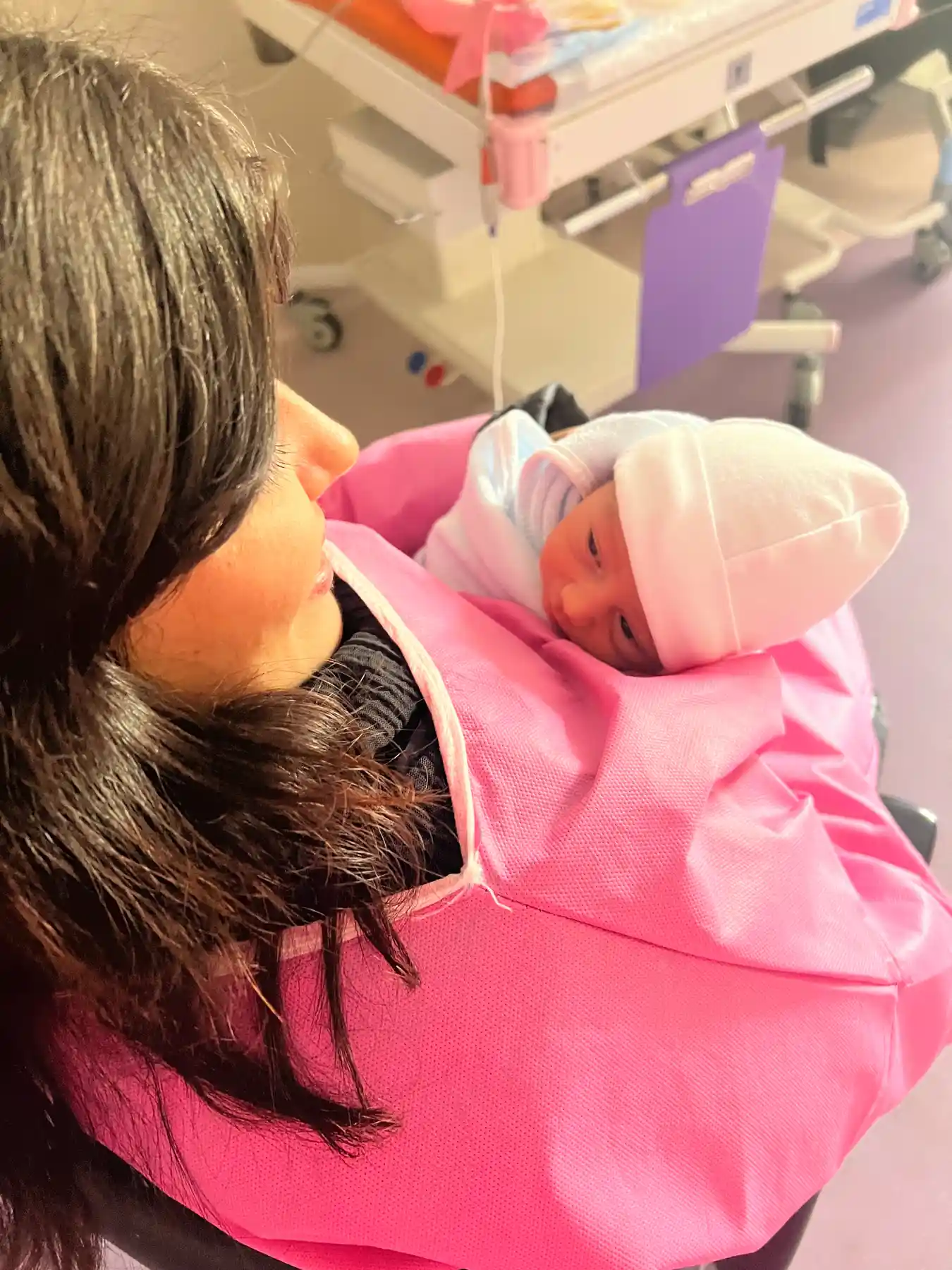
The sweetest answer to a family's heartfelt prayers.
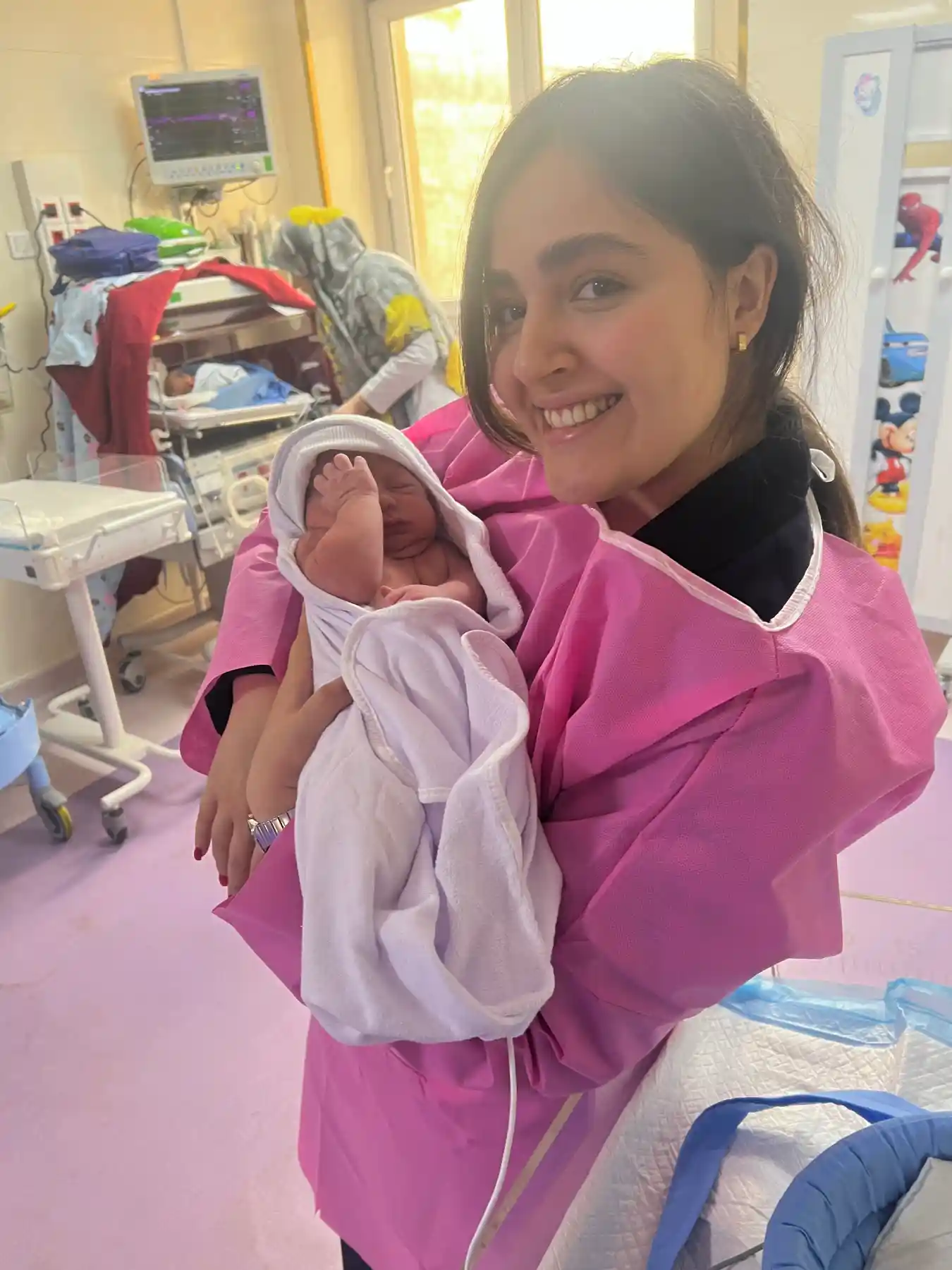
A new chapter begins with the smallest, sweetest smile.
Little feet, endless love, and a dream finally fulfilled.
Some dreams arrive wrapped in the tiniest bundle of joy.
After every wait, a new reason to smile and believe.
A precious new life makes every hopeful moment worthwhile.
Love grows in ways we once only dreamed possible.
The smallest arrival can bring the biggest happiness.
Meet the specialists supporting fertility care and treatment planning.

Obstetrician and Gynecologist; Fellowship in Infertility and IVF
Infertility and Reproductive Medicine, In Vitro Fertilization (IVF), Obstetrics and Gynecology

Obstetrics & Gynecology | Women’s Health | Reproductive Health
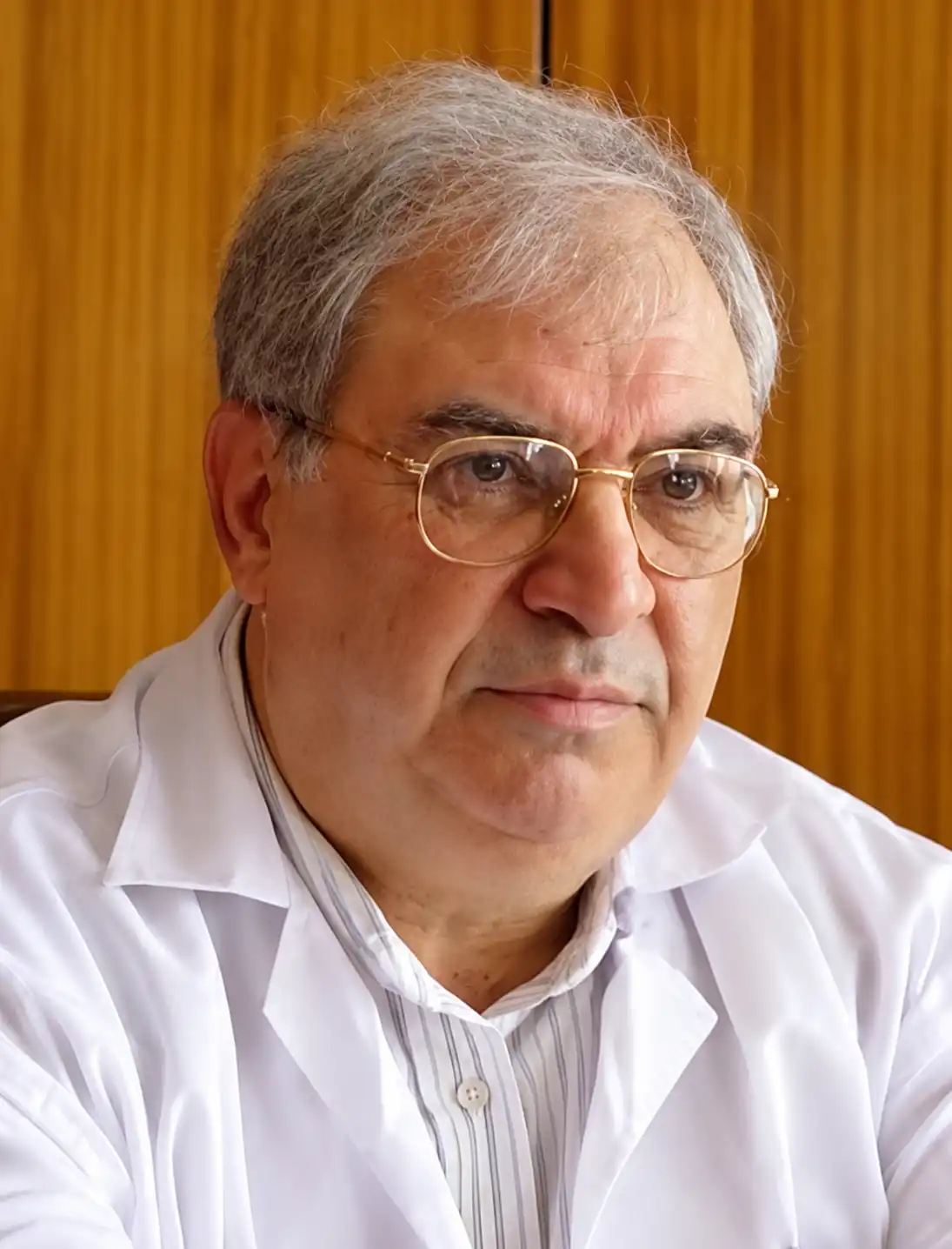
Urologist · Men’s Infertility
Explore the medical center supporting treatment coordination.
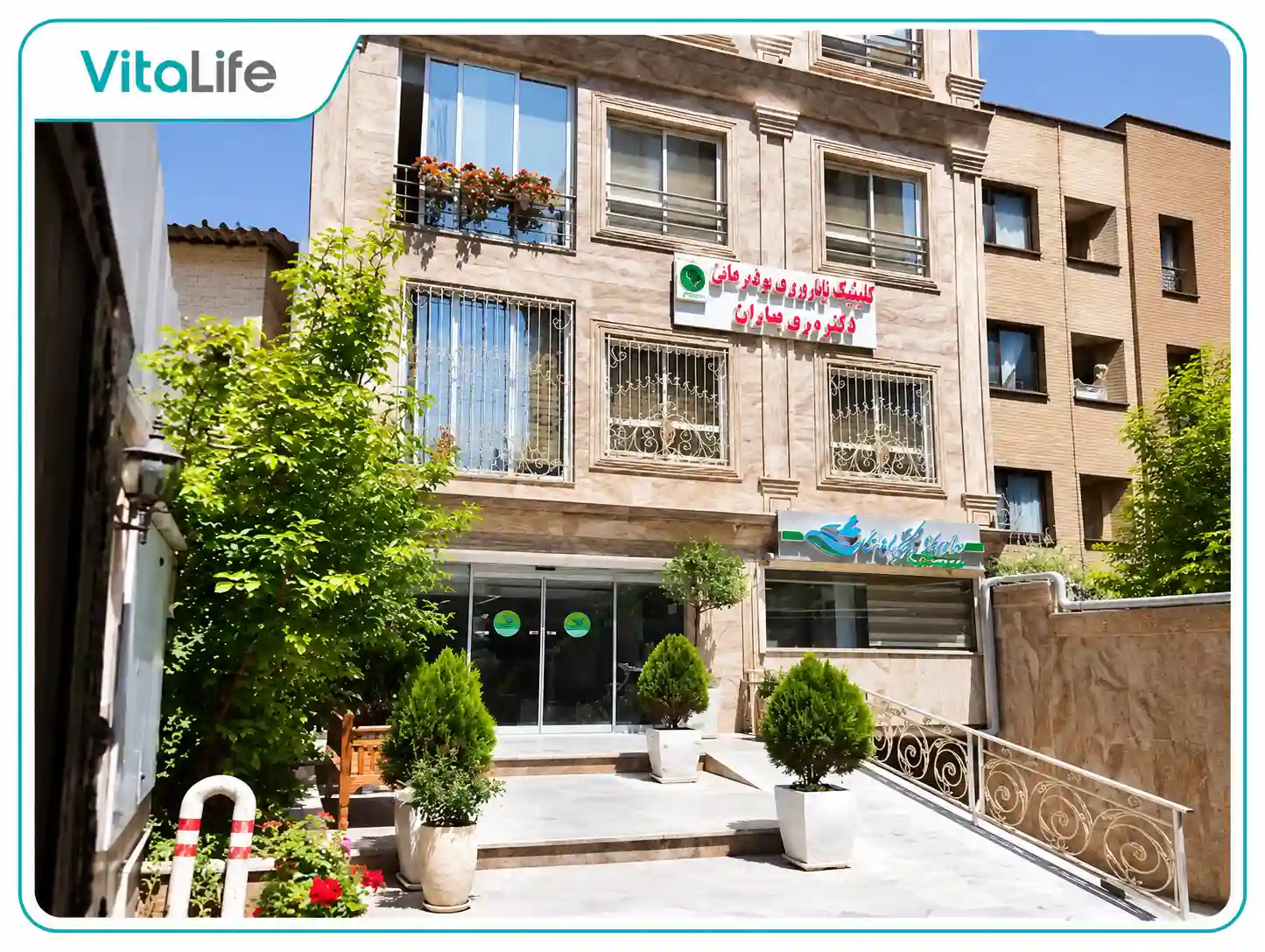
Baharan Negar Infertility Clinic is a fertility treatment center located near Vanak Square in Tehran, Iran. The clinic provides reproductive medicine services for individuals and couples experiencing infertility. Its reported services include in vitro ferti...
View Clinic ProfileTalk with VitaLife about your options, practical arrangements and questions to raise with your treating specialist.
Request a consultation