Fertility, IVF & surrogacy guidance
Clear, practical articles for intended parents exploring fertility treatment, egg donation, gender selection, family balancing and gestational surrogacy. Start with the topic you need, then speak with our care team when you are ready.
IVF & Fertility
IVF, infertility evaluation, fertility treatment and reproductive medicine.
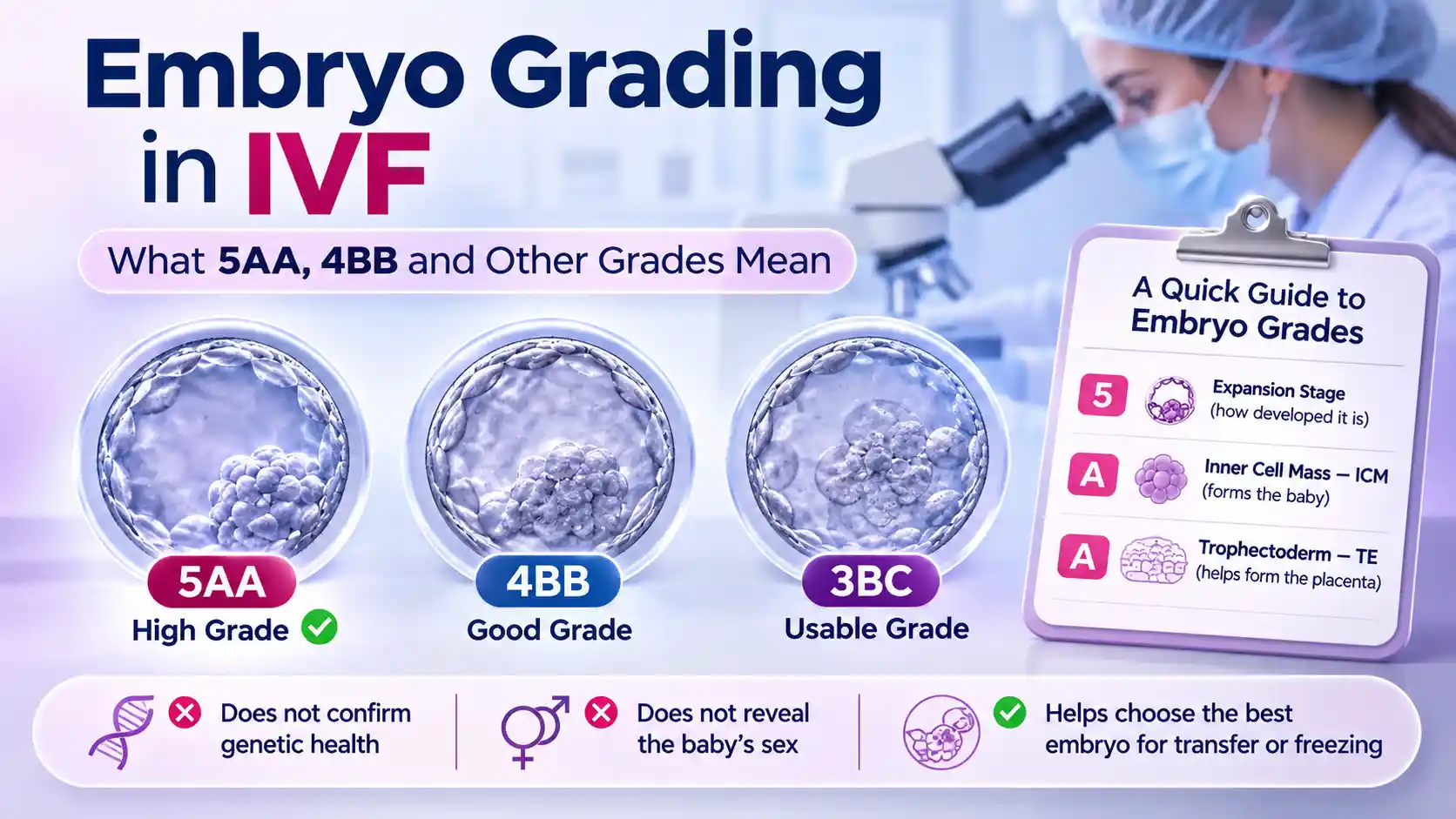
Embryo Grading in IVF
Embryo grading in IVF describes an embryo’s development and appearance under a microscope. In grades such as 5AA, 4BB, and 3BB, the number indicates blastocyst expansion, while the two letters describe the inner cell mass and trophectoderm. Higher grades generally indicate more favorable morphology, but lower-grade embryos can still result in healthy pregnancies.
Read article →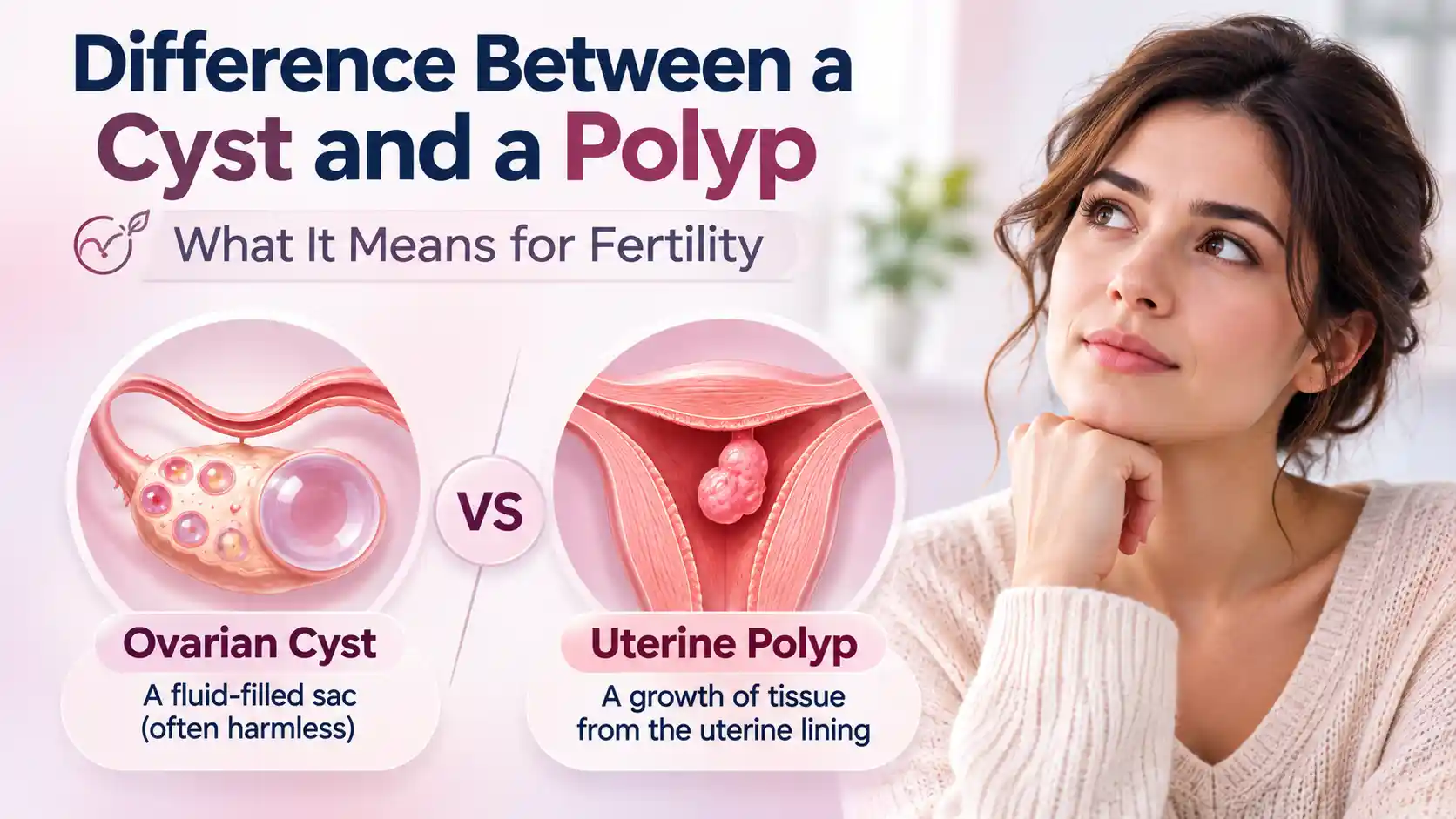
Difference Between a Cyst and a Polyp
A cyst is usually a fluid-filled sac, while a polyp is a growth of tissue from an organ's lining. Ovarian cysts and uterine polyps are different conditions, and neither automatically causes infertility. Some cysts, such as endometriomas, may affect ovarian reserve, while certain uterine polyps may interfere with embryo implantation.
Read article →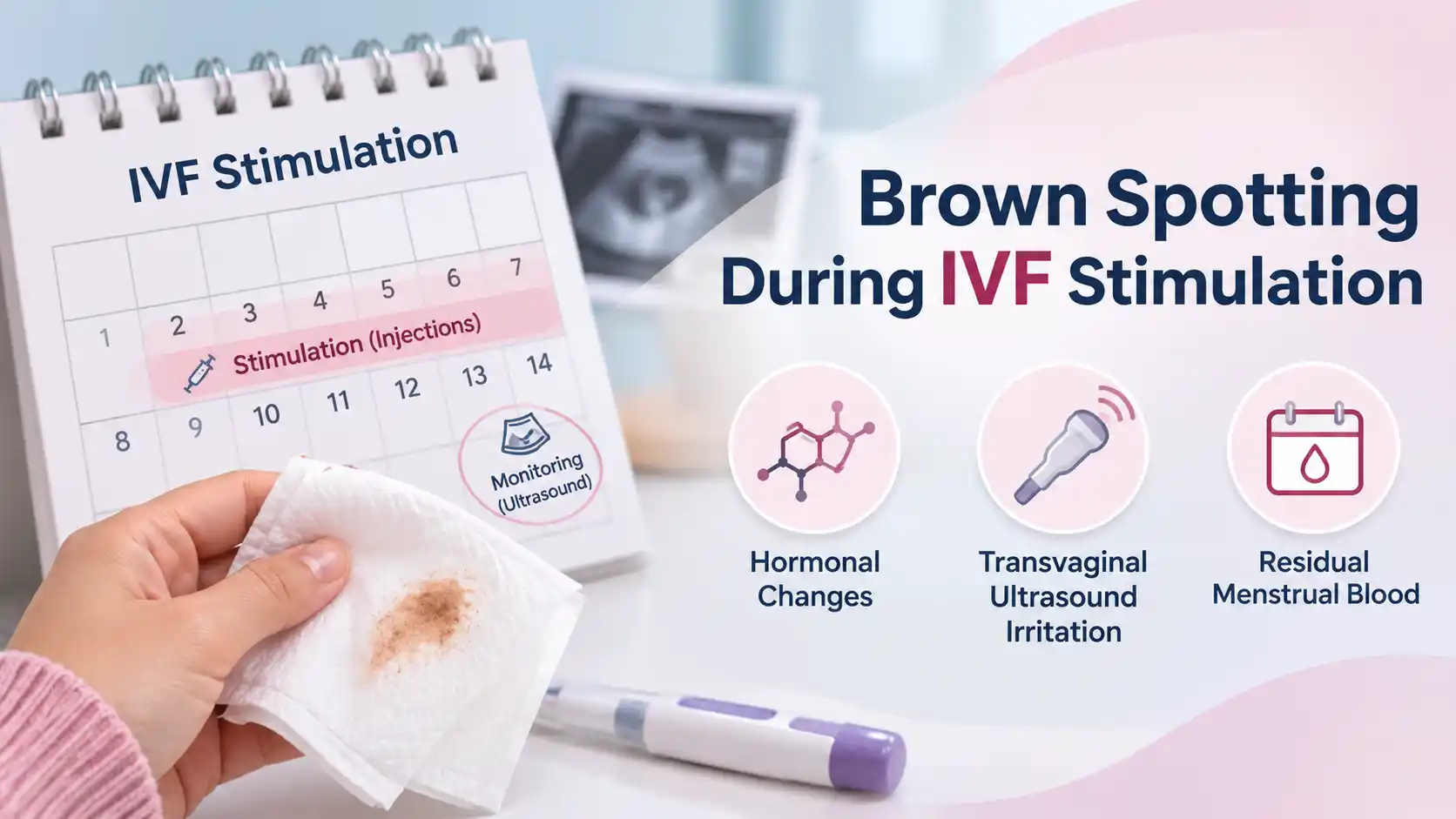
Brown Spotting During IVF Stimulation
Light brown spotting during IVF ovarian stimulation is often minor and may be associated with hormonal changes or mild cervical irritation after transvaginal ultrasound. It can also result from residual menstrual blood or withdrawal bleeding after stopping birth control pills. Spotting does not automatically mean your IVF cycle is failing or that egg retrieval will be affected.
Read article →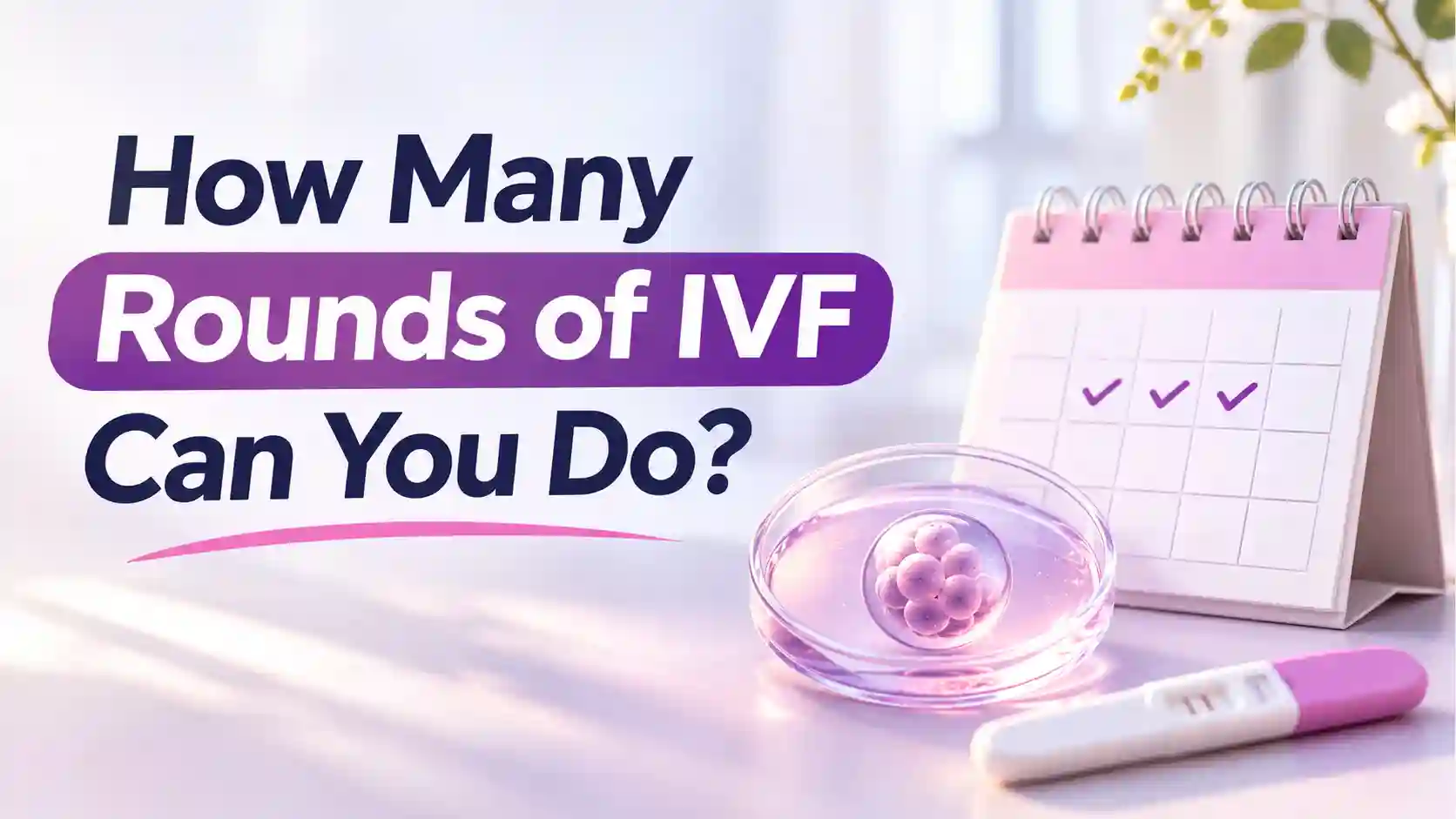
How Many Rounds of IVF Can You Do?
There is no fixed lifetime limit for IVF. Some patients can undergo multiple egg retrievals in a year, while others need more time between cycles. Age, ovarian response, recovery, and previous results determine the next step
Read article →
IVF, Egg Donation, or Surrogacy: Which Path Fits Your Situation?
IVF uses your eggs when possible, donor-egg IVF changes the egg source, and surrogacy changes who carries the pregnancy. Some families need a combination of these options.
Read article →
When to Have Sex After a Trigger Shot
After an hCG trigger shot, ovulation usually occurs within 36–48 hours. Many fertility clinics recommend having sex on the evening of the injection and again 24–36 hours later to cover the fertile window. Follow your doctor's specific timing instructions for your cycle.
Read article →PGT / PGD
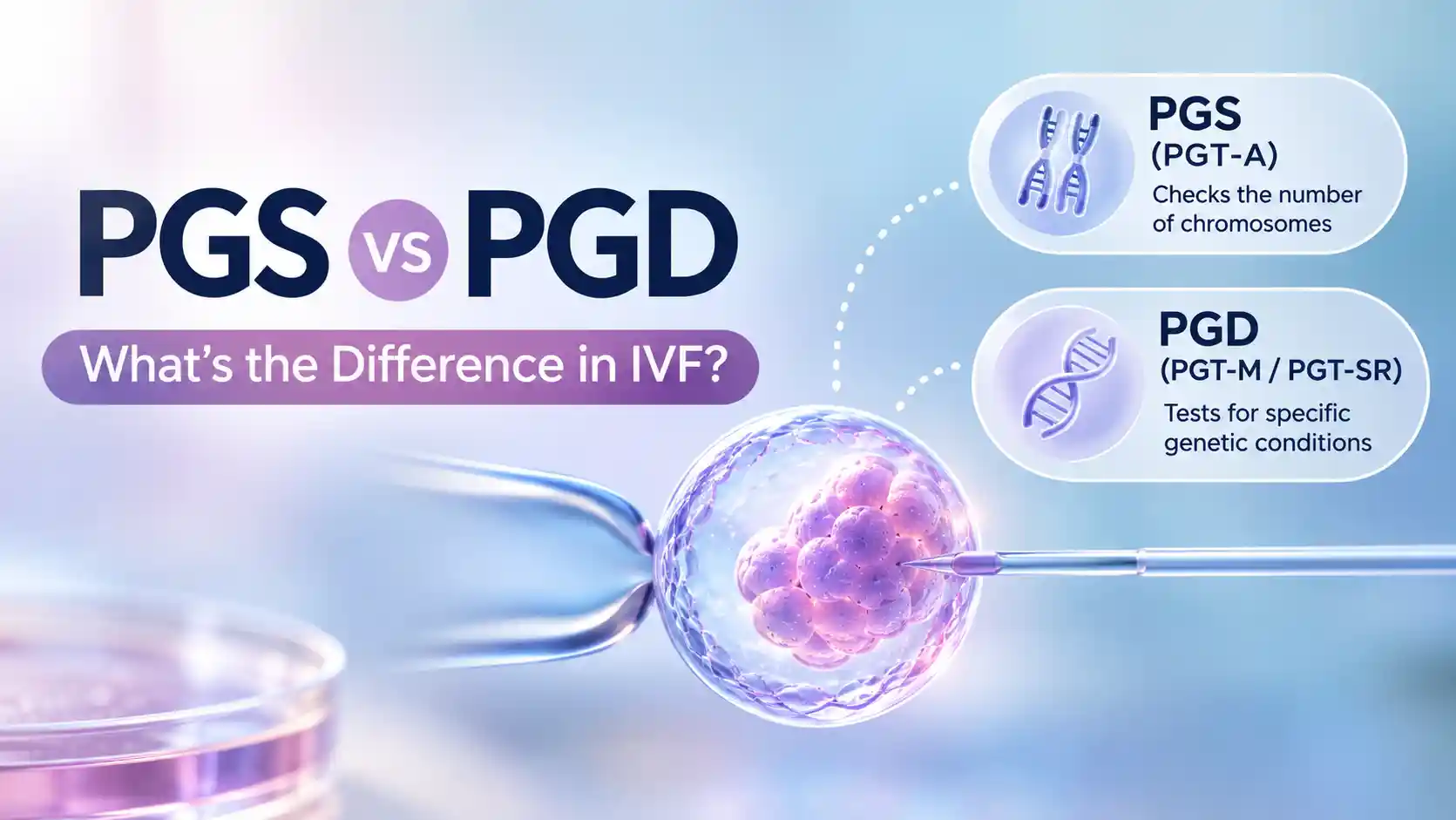
Genetic testing and embryo screening information.
Surrogacy
Surrogacy guidance, process, costs and family-building options.

Cheapest Country for Surrogacy
Iran is one of the cheapest countries for surrogacy in 2026. At VitaLife, packages start at $15,000 with an existing embryo or $18,000 with one IVF cycle and up to two embryo transfer attempts.
Read article →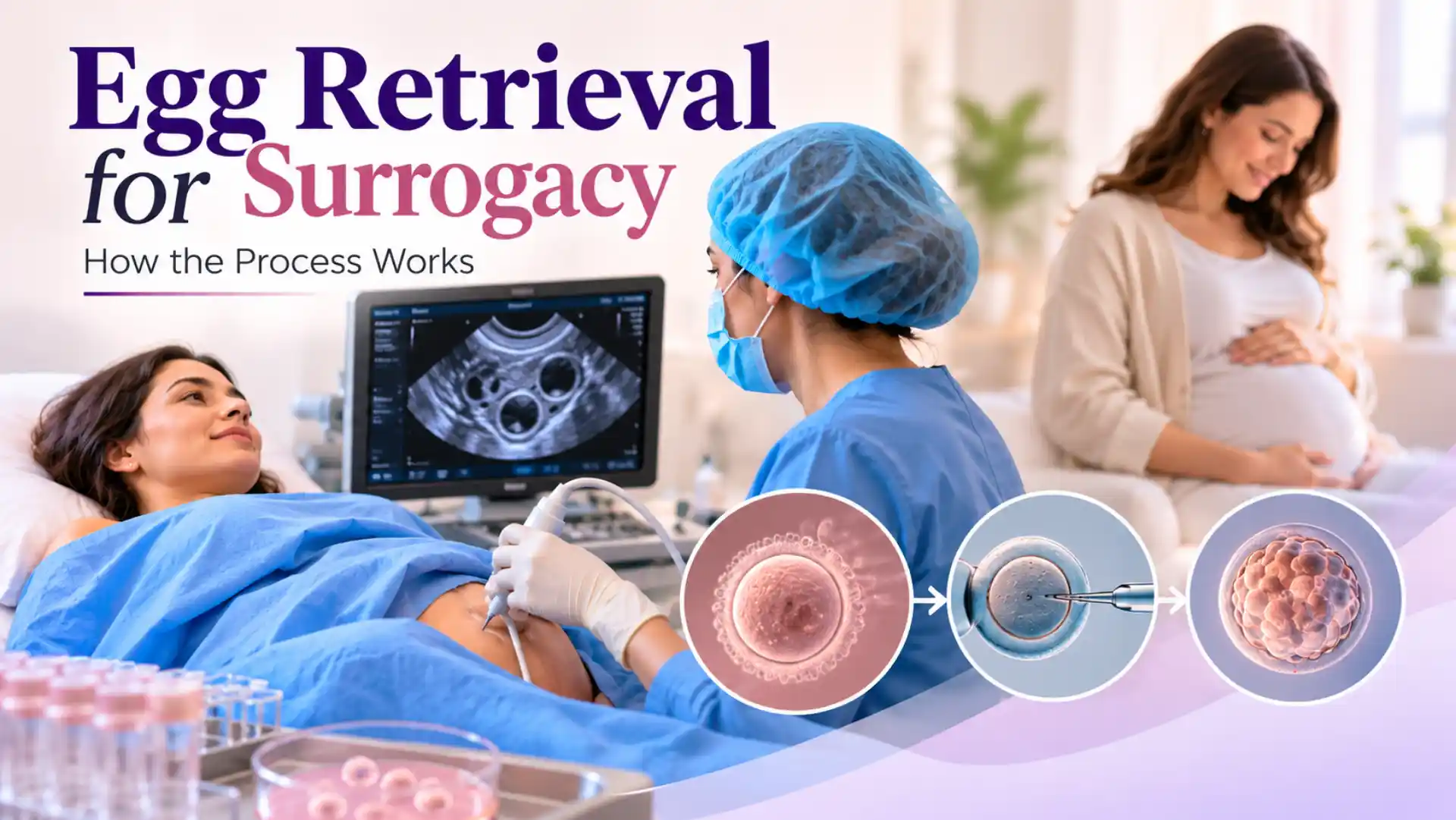
Egg Retrieval for Surrogacy
Egg retrieval for surrogacy involves collecting eggs from the intended mother or an egg donor, fertilizing them through IVF, and preparing the resulting embryos for transfer to a gestational carrier.
Read article →How Does Surrogacy Work?
Learn how gestational surrogacy works from the first consultation to embryo transfer, pregnancy and birth. This step-by-step guide explains the medical, legal and practical stages for intended parents.
Read article →More articles

Have a question after reading?
Tell us what you are exploring. You can request a private conversation about IVF, egg donation, gender selection, family balancing or gestational surrogacy without leaving the Journal.