IVF & Fertility
IVF, infertility evaluation, fertility treatment and reproductive medicine.
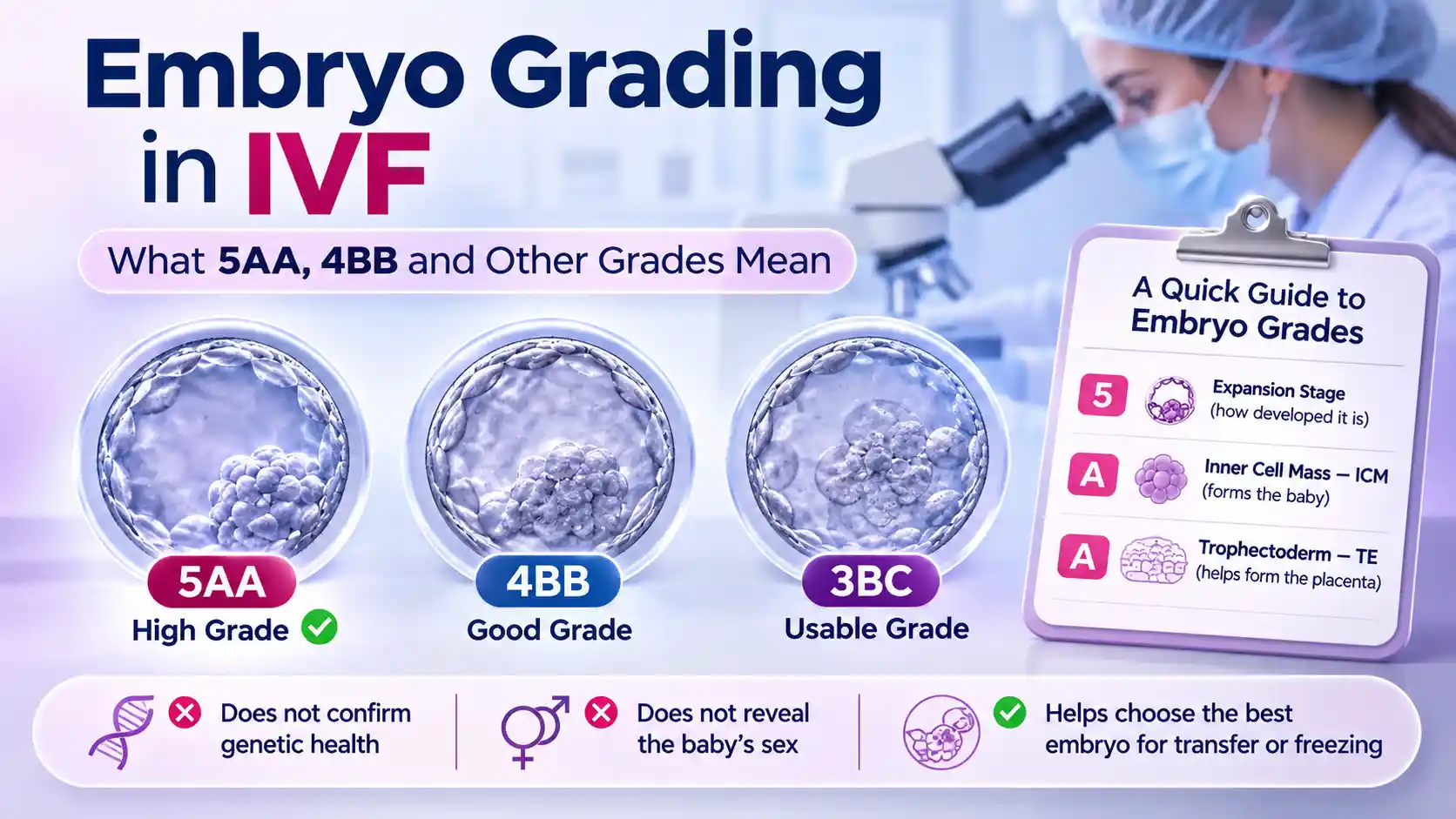
Embryo Grading in IVF
Embryo grading in IVF describes an embryo’s development and appearance under a microscope. In grades such as 5AA, 4BB, and 3BB, the number indicates blastocyst expansion, while the two letters describe the inner cell mass and trophectoderm. Higher grades generally indicate more favorable morphology, but lower-grade embryos can still result in healthy pregnancies.
Read article →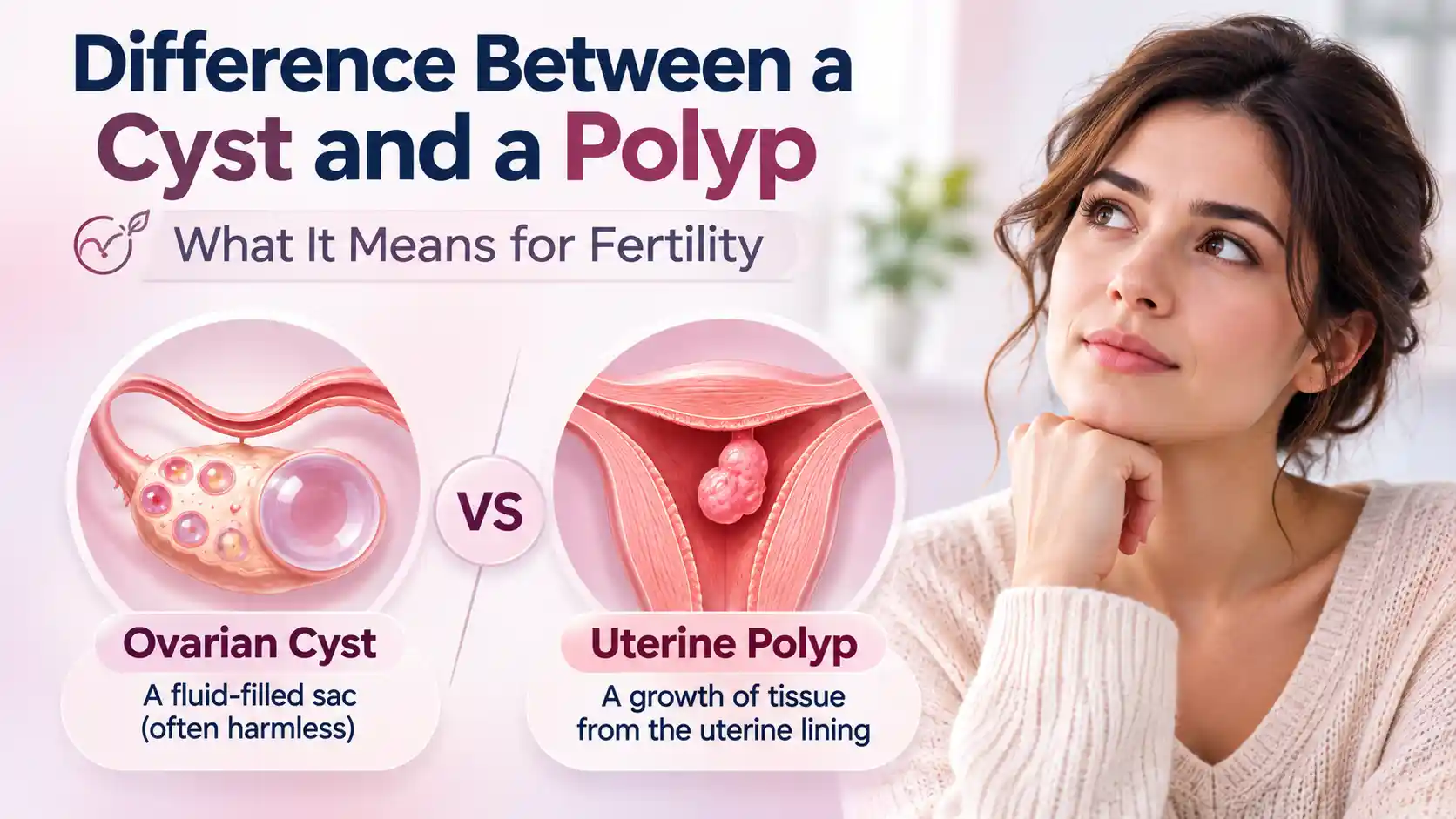
Difference Between a Cyst and a Polyp
A cyst is usually a fluid-filled sac, while a polyp is a growth of tissue from an organ's lining. Ovarian cysts and uterine polyps are different conditions, and neither automatically causes infertility. Some cysts, such as endometriomas, may affect ovarian reserve, while certain uterine polyps may interfere with embryo implantation.
Read article →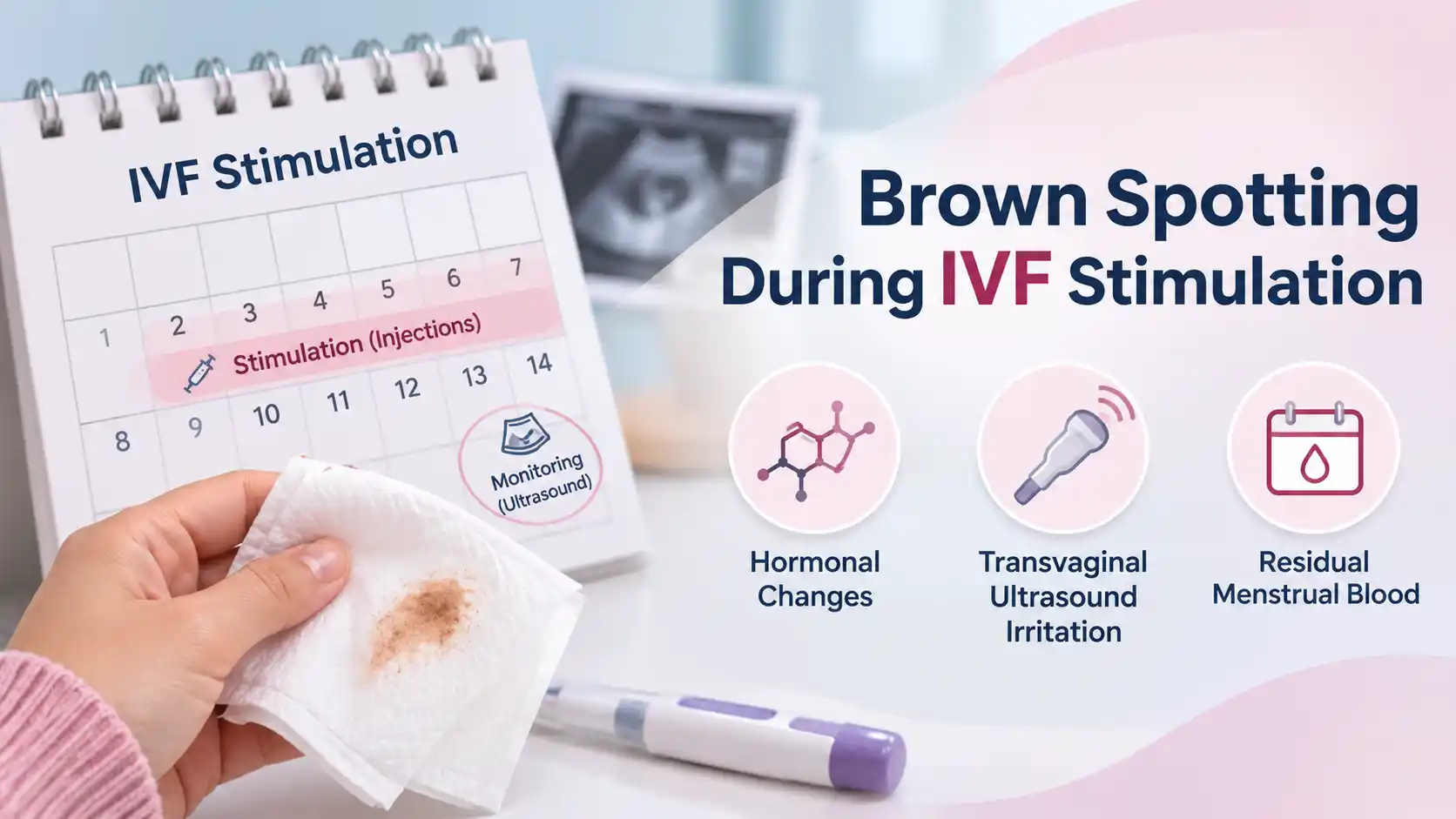
Brown Spotting During IVF Stimulation
Light brown spotting during IVF ovarian stimulation is often minor and may be associated with hormonal changes or mild cervical irritation after transvaginal ultrasound. It can also result from residual menstrual blood or withdrawal bleeding after stopping birth control pills. Spotting does not automatically mean your IVF cycle is failing or that egg retrieval will be affected.
Read article →
How Many Rounds of IVF Can You Do?
There is no fixed lifetime limit for IVF. Some patients can undergo multiple egg retrievals in a year, while others need more time between cycles. Age, ovarian response, recovery, and previous results determine the next step
Read article →
IVF, Egg Donation, or Surrogacy: Which Path Fits Your Situation?
IVF uses your eggs when possible, donor-egg IVF changes the egg source, and surrogacy changes who carries the pregnancy. Some families need a combination of these options.
Read article →
When to Have Sex After a Trigger Shot
After an hCG trigger shot, ovulation usually occurs within 36–48 hours. Many fertility clinics recommend having sex on the evening of the injection and again 24–36 hours later to cover the fertile window. Follow your doctor's specific timing instructions for your cycle.
Read article →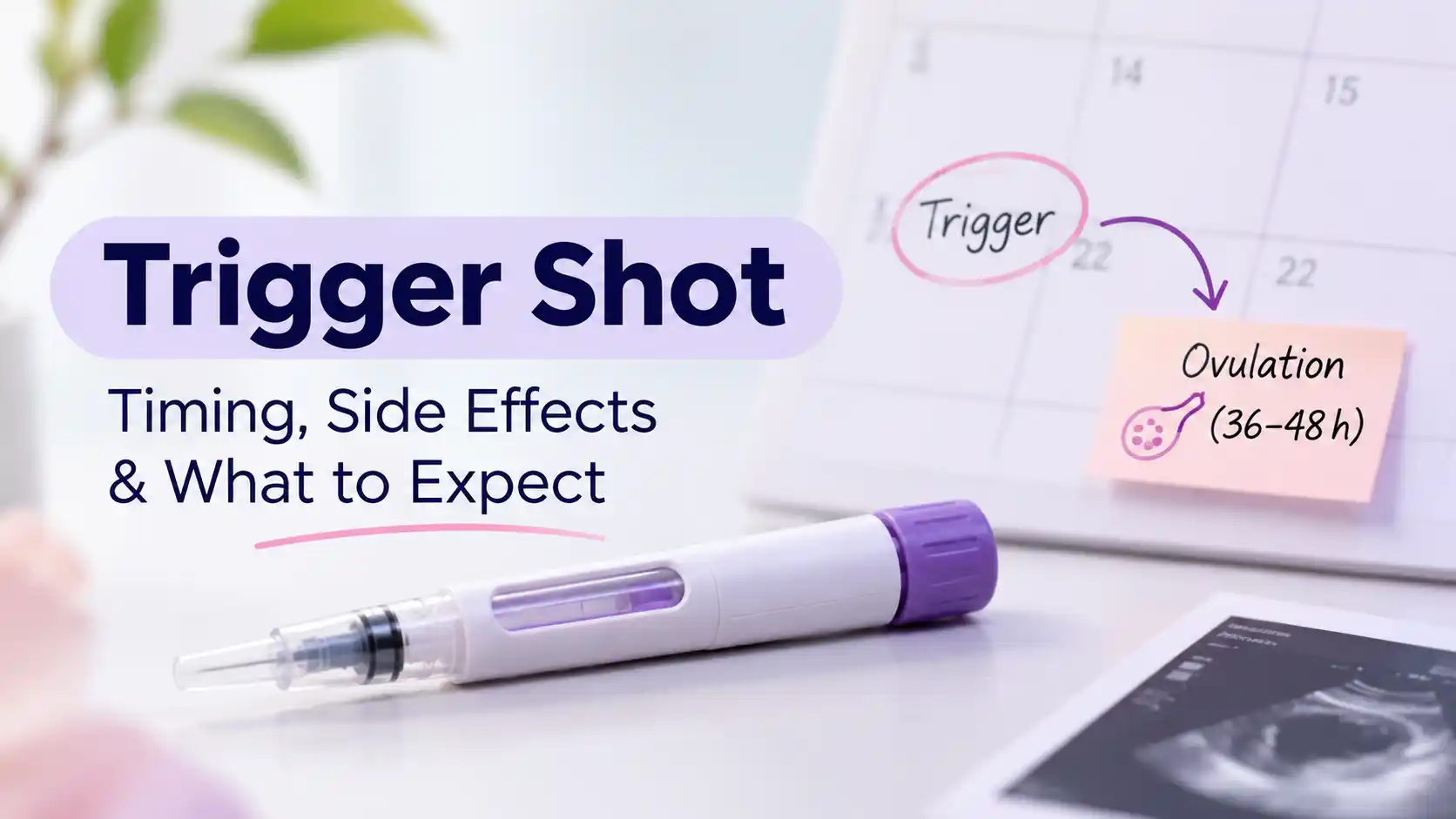
Trigger Shot
A trigger shot helps mature eggs and time ovulation during IVF, IUI, or timed intercourse. Learn about IVF and egg retrieval timing, physical discomfort, side effects, and when to take a pregnancy test.
Read article →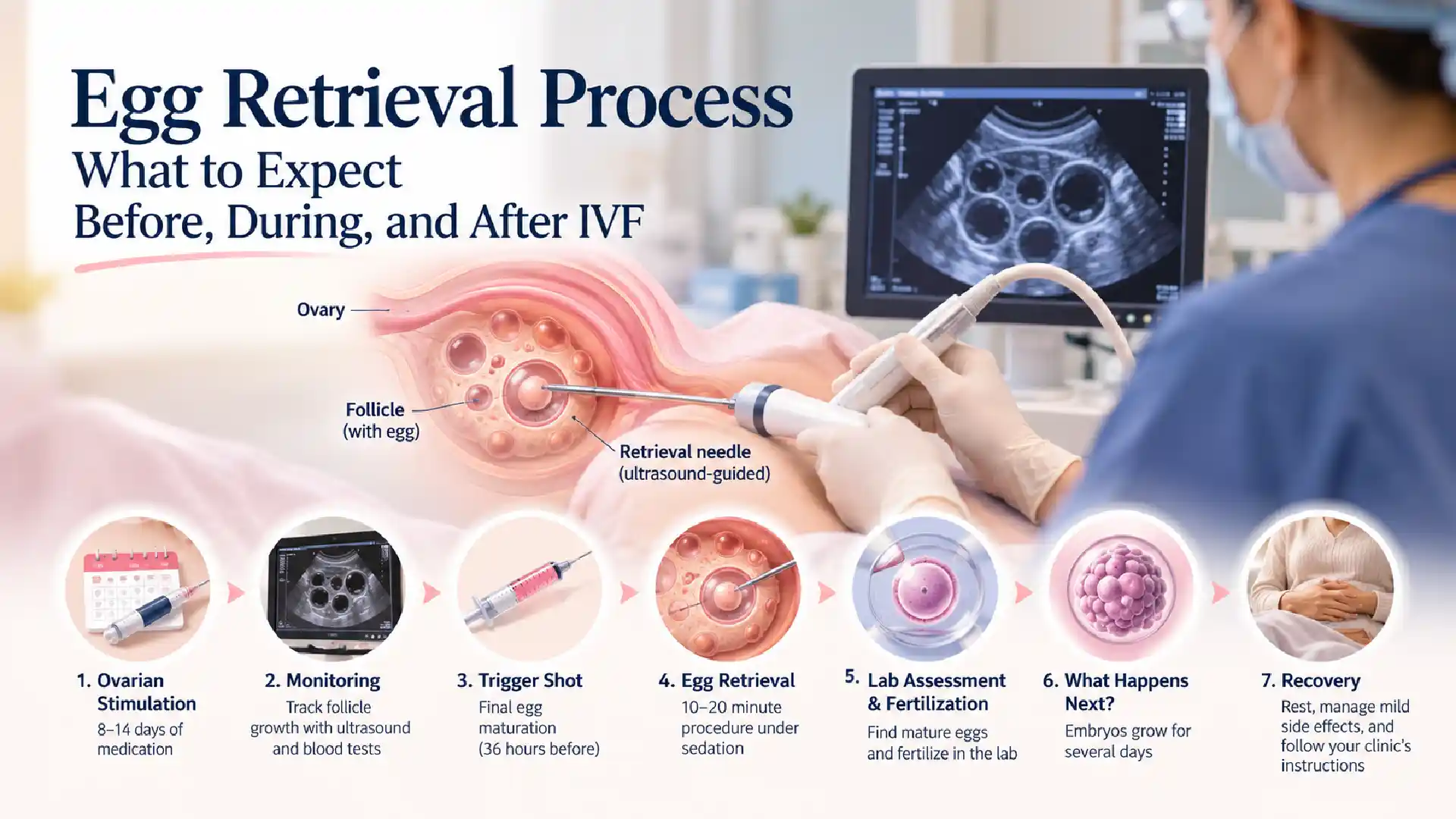
Egg Retrieval Process
The egg retrieval process usually takes 10–20 minutes and is performed under sedation or anesthesia. Learn how eggs are collected during IVF, how to prepare, what recovery feels like, and what happens to the eggs after retrieval.
Read article →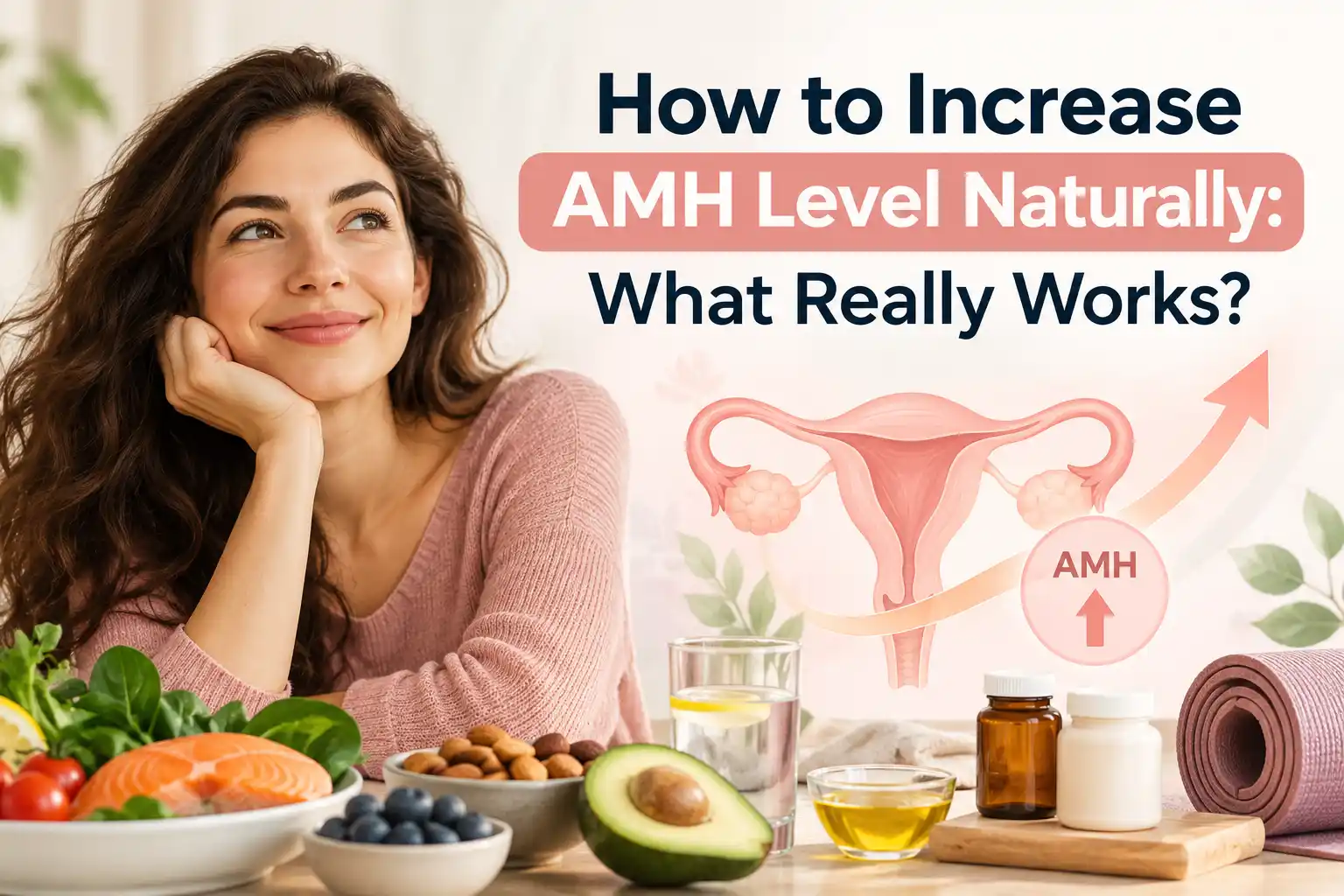
How to Increase AMH Level Naturally
A low AMH level cannot be reliably increased through diet or supplements, and no natural method has been proven to restore lost ovarian reserve. However, a balanced diet, correcting vitamin deficiencies, and avoiding smoking can support reproductive health. Learn what the evidence says about CoQ10, vitamin D, DHEA, and other supplements, and what to do if your AMH is low or high.
Read article →
Day 3 after embryo transfer symptoms
Three days after embryo transfer, you may experience mild cramping, bloating, breast tenderness, fatigue, light spotting, or changes in vaginal discharge. However, having no symptoms is also normal and does not mean the transfer has failed. Symptoms cannot confirm implantation or pregnancy, so continue your prescribed medication and take your pregnancy test on the date recommended by your fertility clinic.
Read article →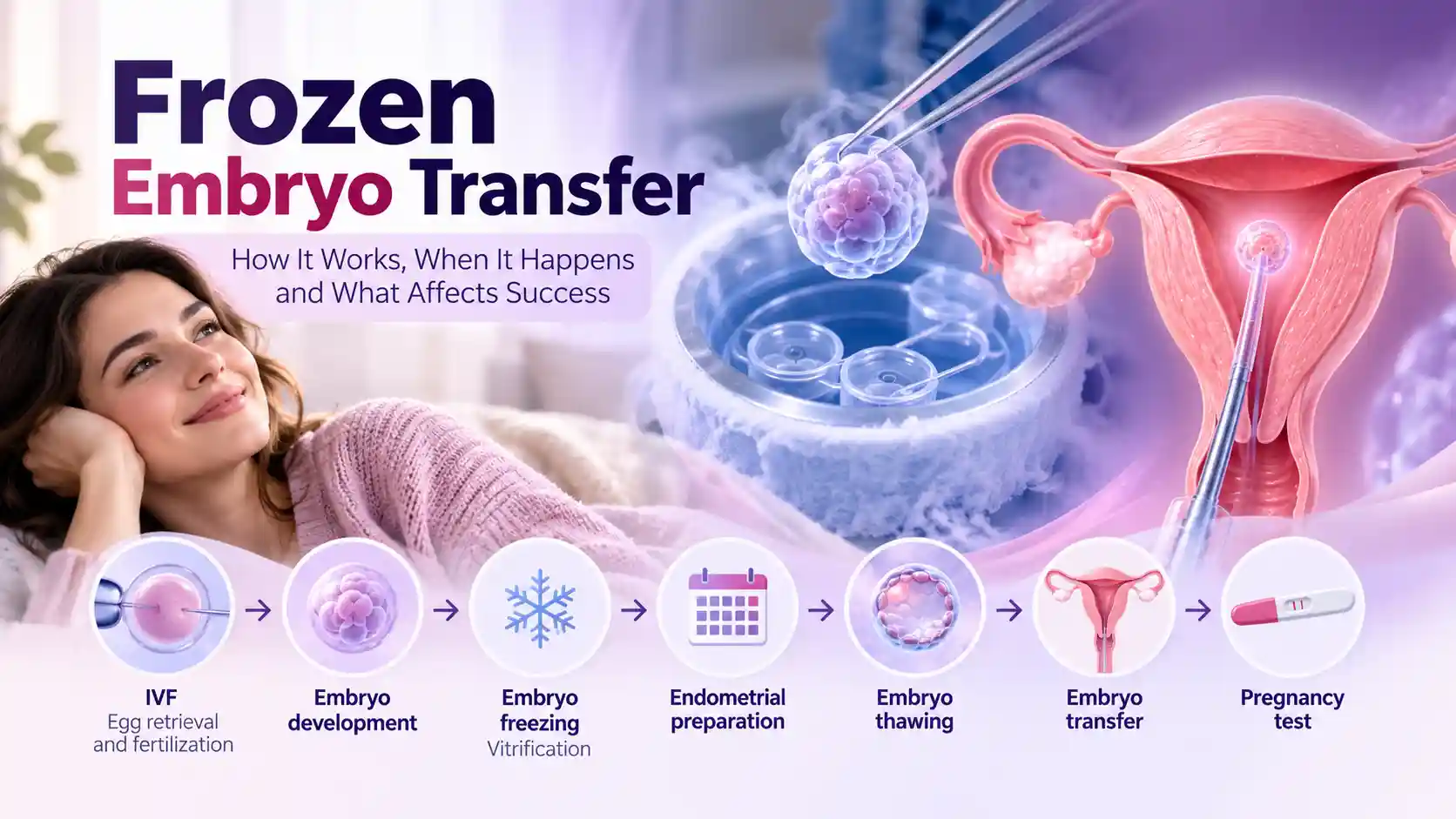
Frozen Embryo Transfer
Frozen embryo transfer (FET) is an IVF procedure in which a previously frozen embryo is warmed and transferred to the uterus during a later cycle. Learn how FET works, how natural and programmed cycles differ, when transfer is scheduled, and which factors can affect success.
Read article →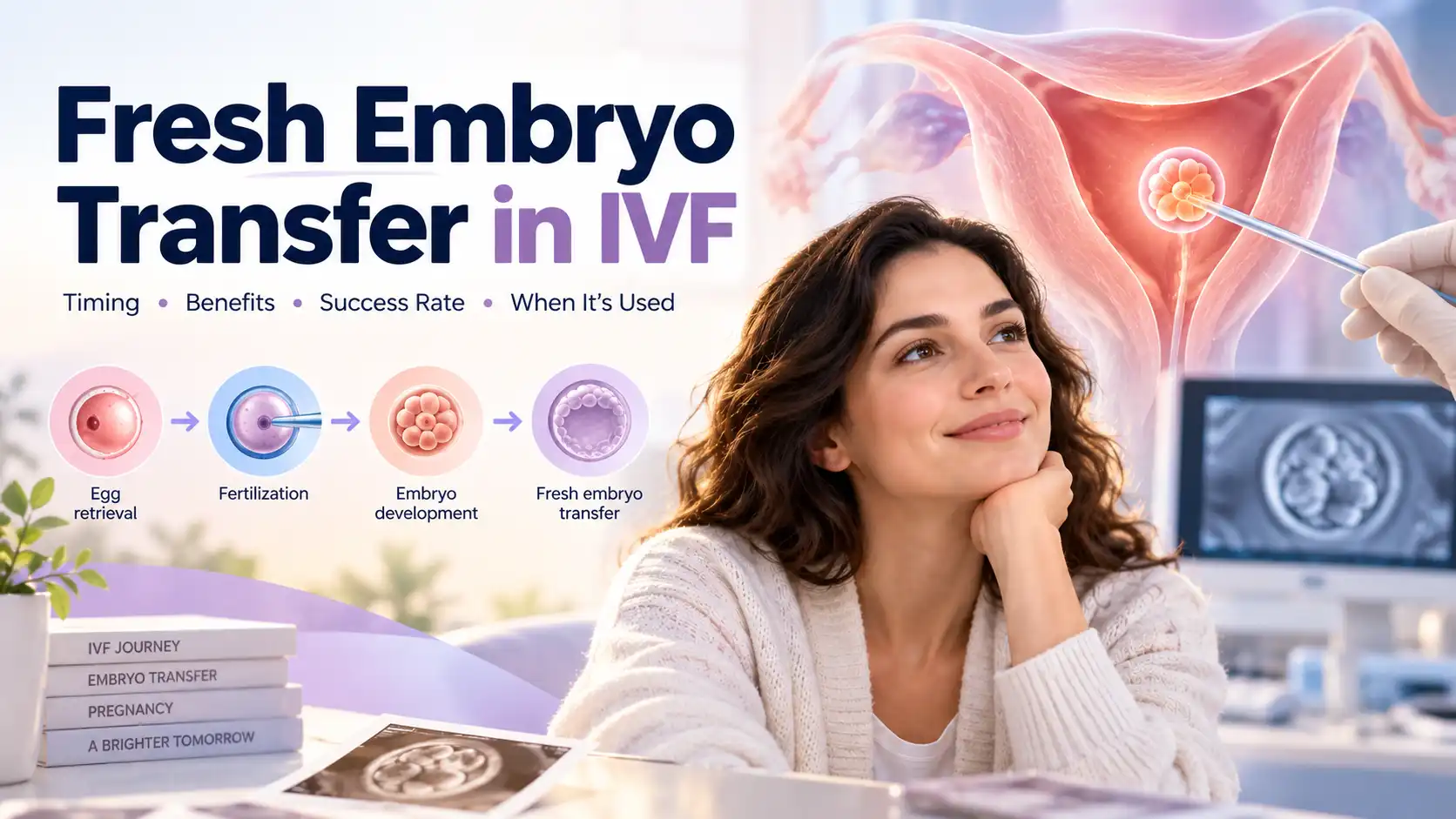
Fresh Embryo Transfer in IVF
Fresh embryo transfer is an IVF option in which an embryo is transferred to the uterus a few days after egg retrieval, without being frozen first. This guide explains when fresh transfer is used, how timing and hormone levels affect the decision, its benefits and risks, success factors, and how it compares with frozen embryo transfer.
Read article →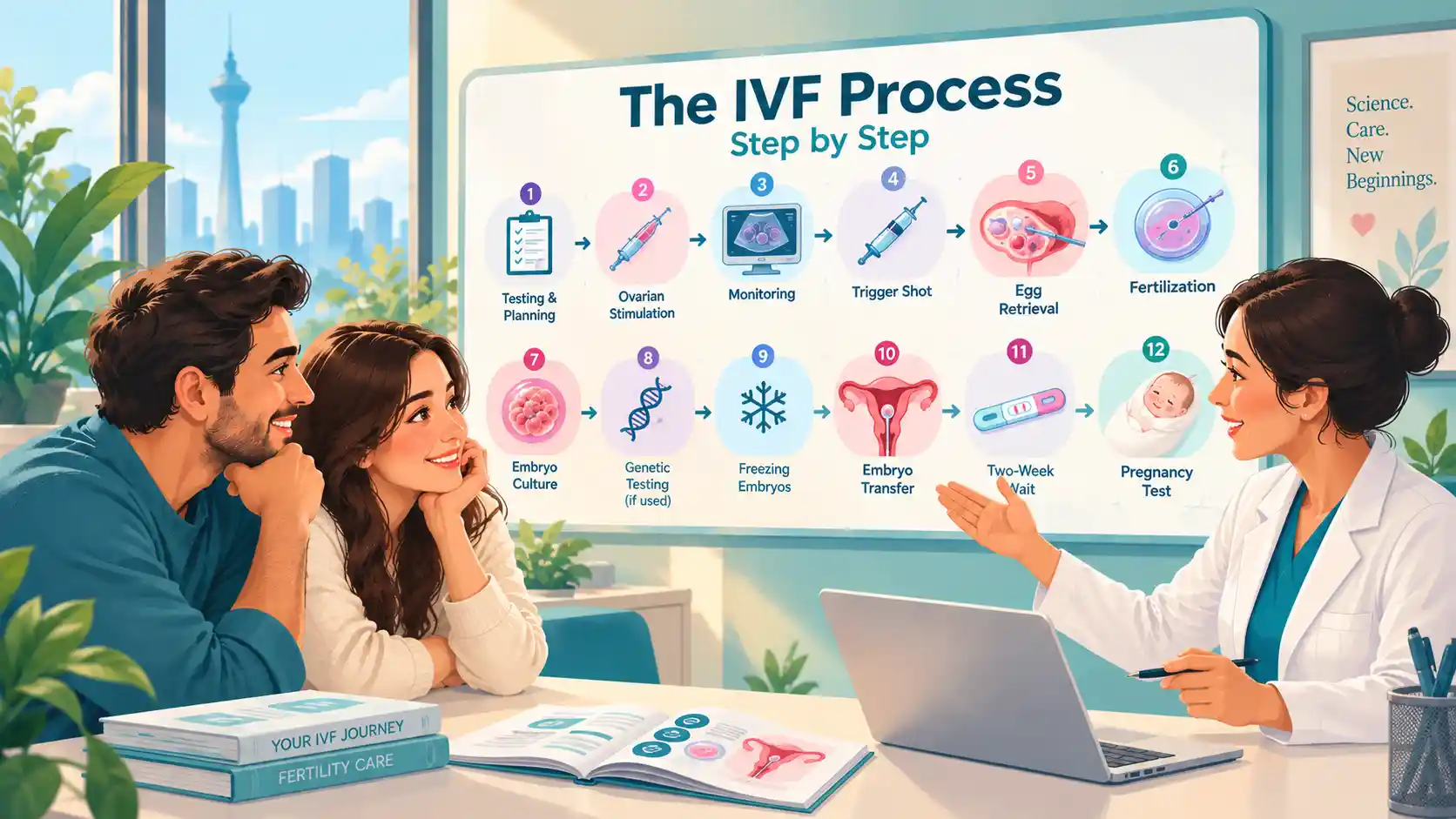
IVF Process Step by Step
A complete, plain-language walkthrough of the IVF process — from fertility testing through ovarian stimulation, egg retrieval, fertilization, embryo transfer, and recovery.
Read article →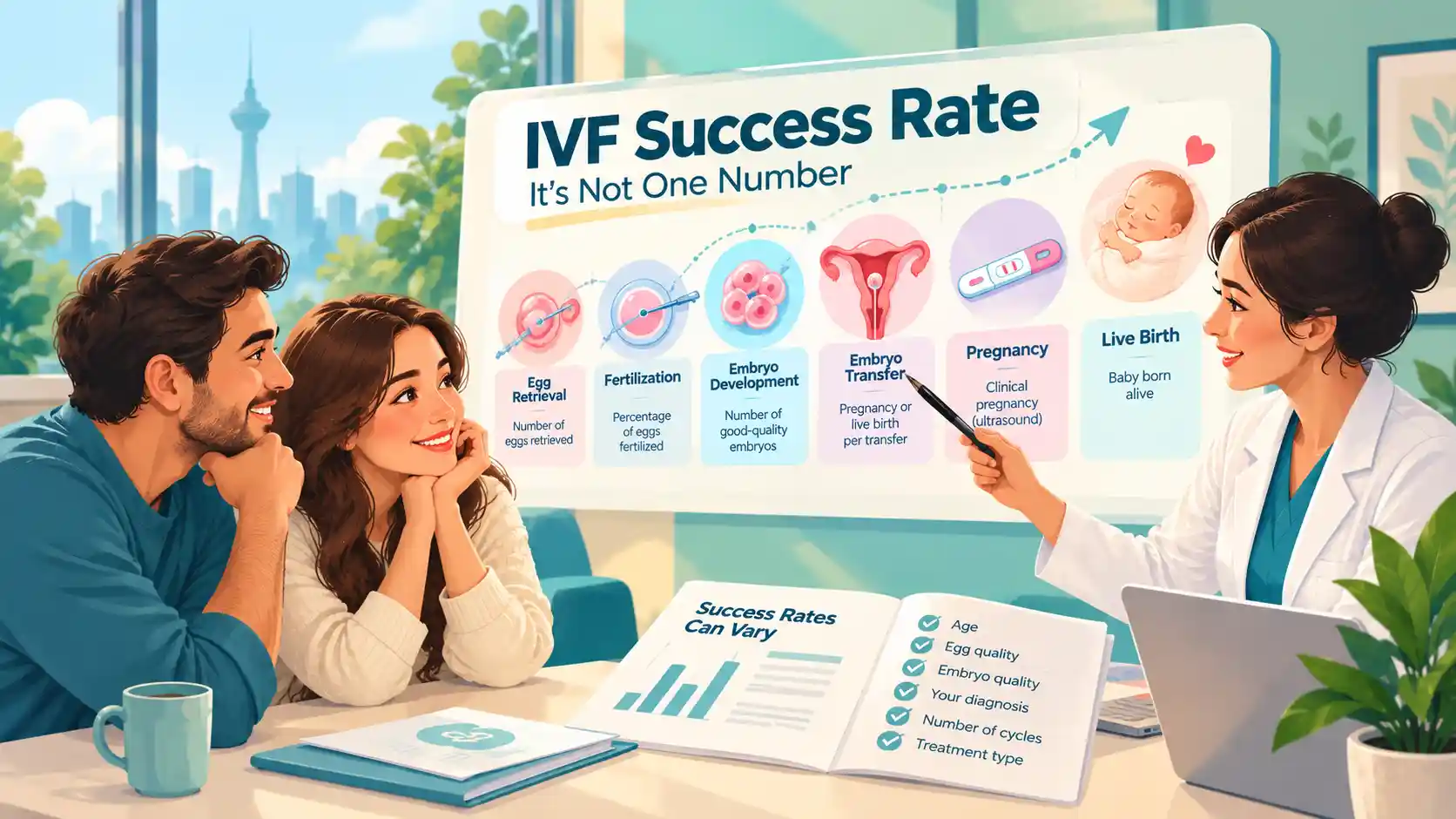
IVF success rate
IVF success rate depends on age, egg source, and how it's measured. See the latest HFEA, CDC and VARTA data, what changes your real odds, and questions to ask any clinic.
Read article →
What Makes a Good Fertility Clinic? A Checklist
What Makes a Good Fertility Clinic? A Checklist — a VitaLife educational guide. Content pending final medical/editorial review before publication.
Read article →