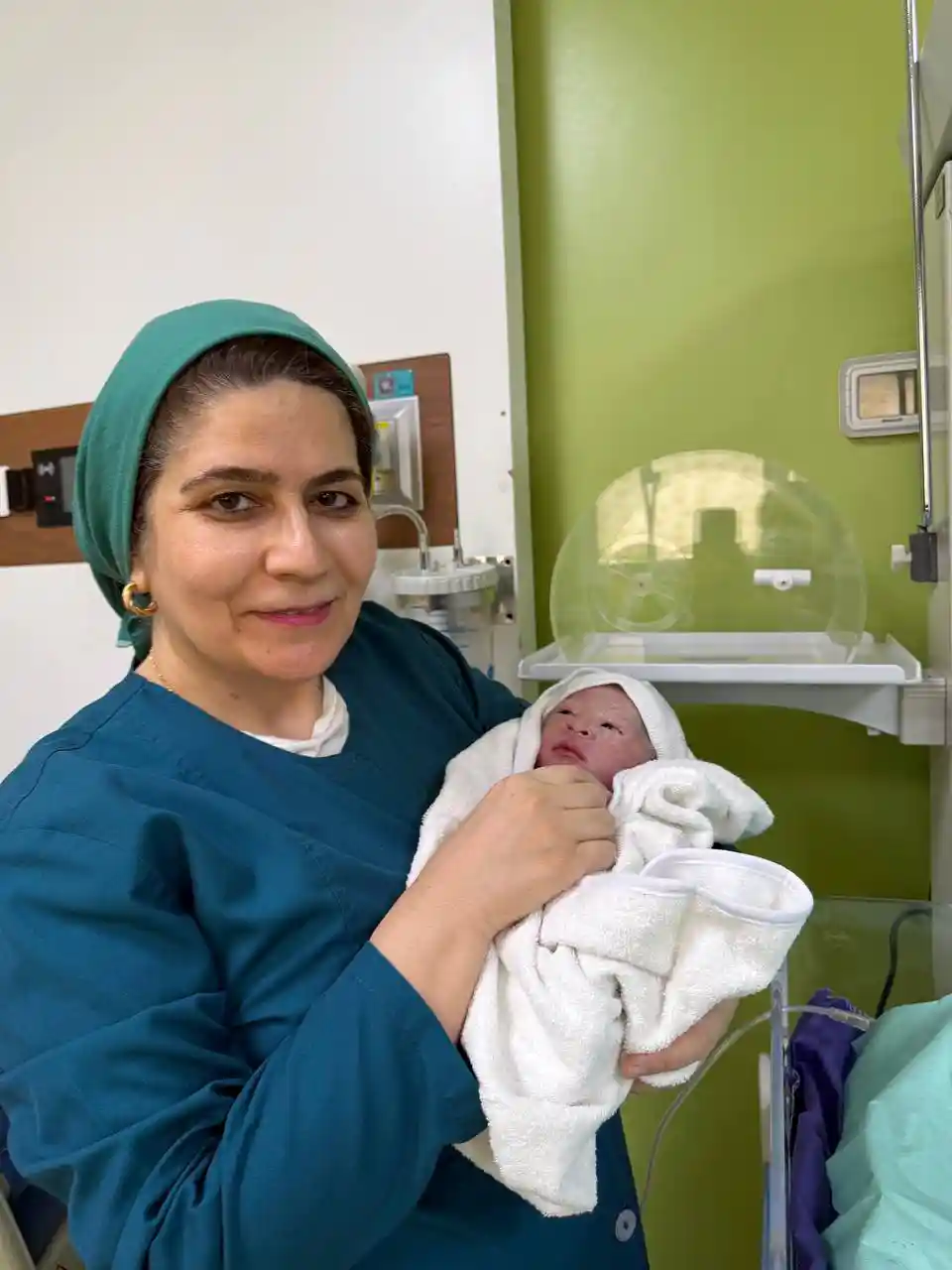
A little life, a world of love.
VitaLife provides complete surrogacy services in Iran for eligible international intended parents, with packages starting at $18,000. Surrogacy is practiced within Iran’s medical and legal framework, with IVF, surrogate selection, pregnancy care, delivery, visa assistance, and dedicated support included throughout the journey.
In the most common form of treatment, gestational surrogacy, an embryo is created through IVF and transferred to the uterus of a surrogate mother. The embryo can be created using the intended mother's egg and intended father's sperm, or donor eggs or sperm may be considered when medically necessary.
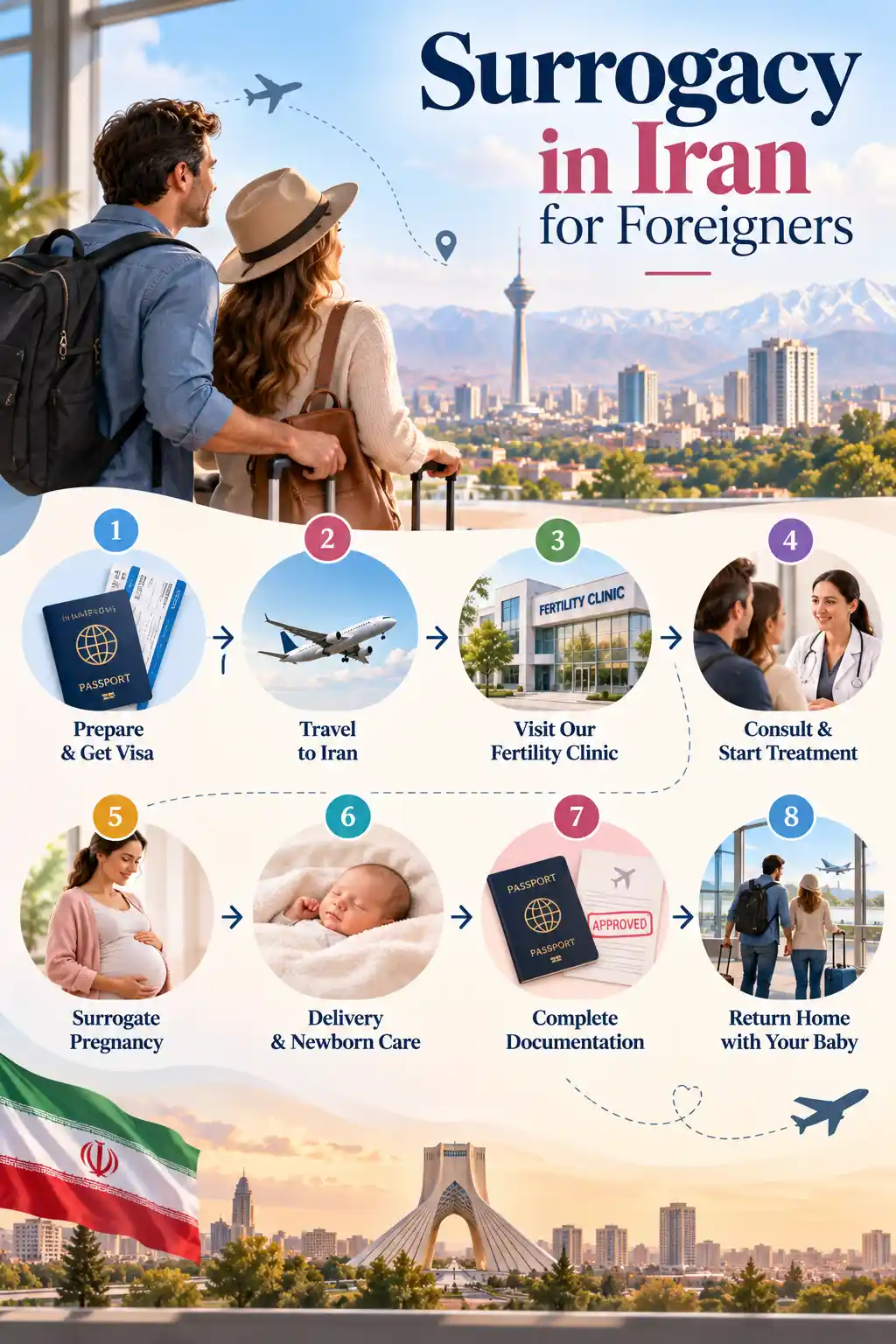
At VitaLife, we coordinate the journey from your first consultation through IVF, surrogate selection, embryo transfer, pregnancy care, delivery, documentation, and your departure from Iran.
For international patients, our support also covers practical parts of the journey, including visa assistance, transportation, translation, appointment coordination, and accommodation support.
Iran is also considered one of the cheapest countries for surrogacy, making it an option for intended parents comparing the cost of treatment internationally.
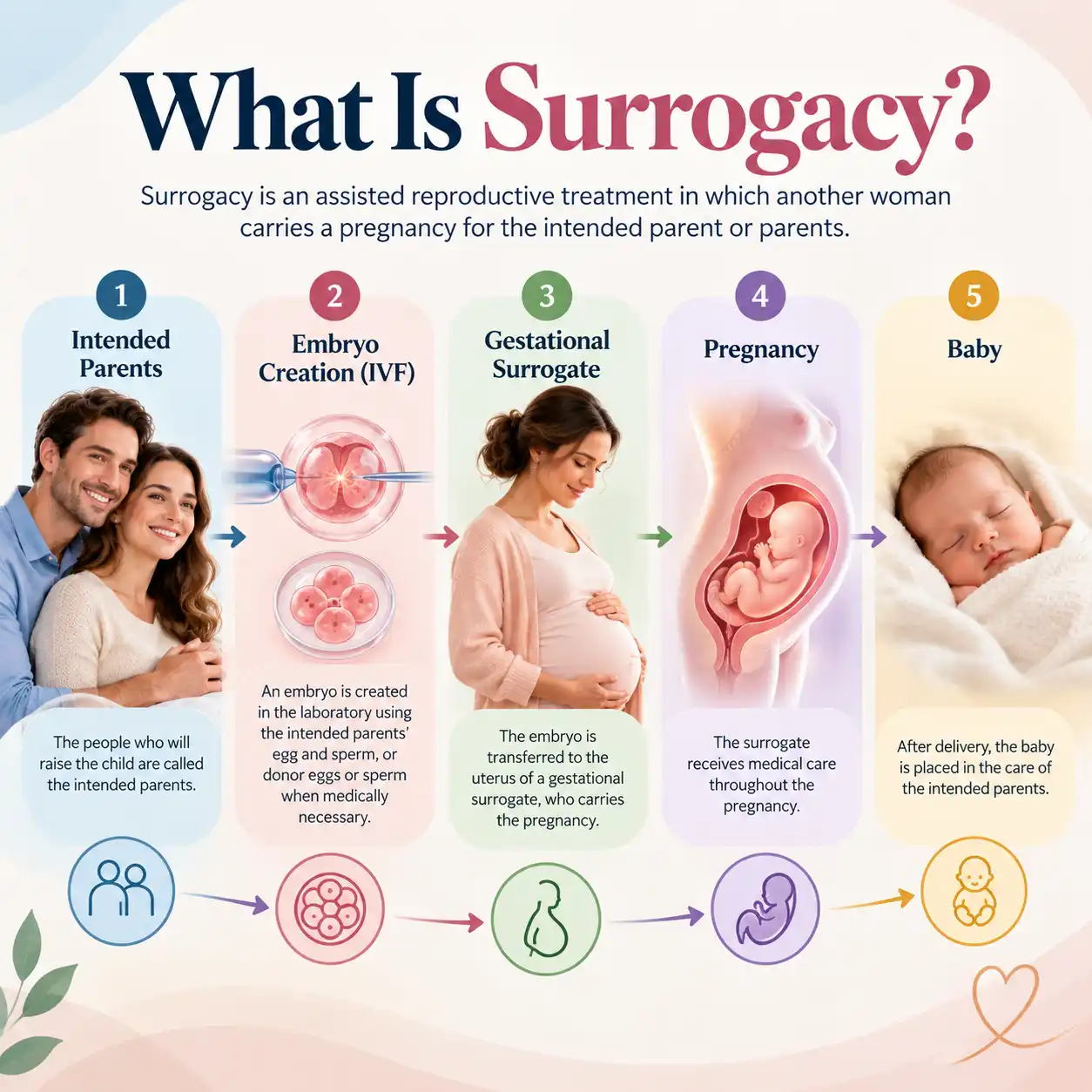
Surrogacy is an assisted reproductive treatment in which another woman carries a pregnancy for the intended parent or parents.
The people who will raise the child are called the intended parents. When their own egg and sperm are used, they may also be described as the intended biological parents.
In gestational surrogacy, IVF is used to create an embryo before it is transferred to the uterus of the woman who will carry the pregnancy.
The surrogate does not provide the egg used to create the embryo. Therefore, there is no genetic relationship with the gestational surrogate.
The exact treatment depends on the medical circumstances of the intended parents.
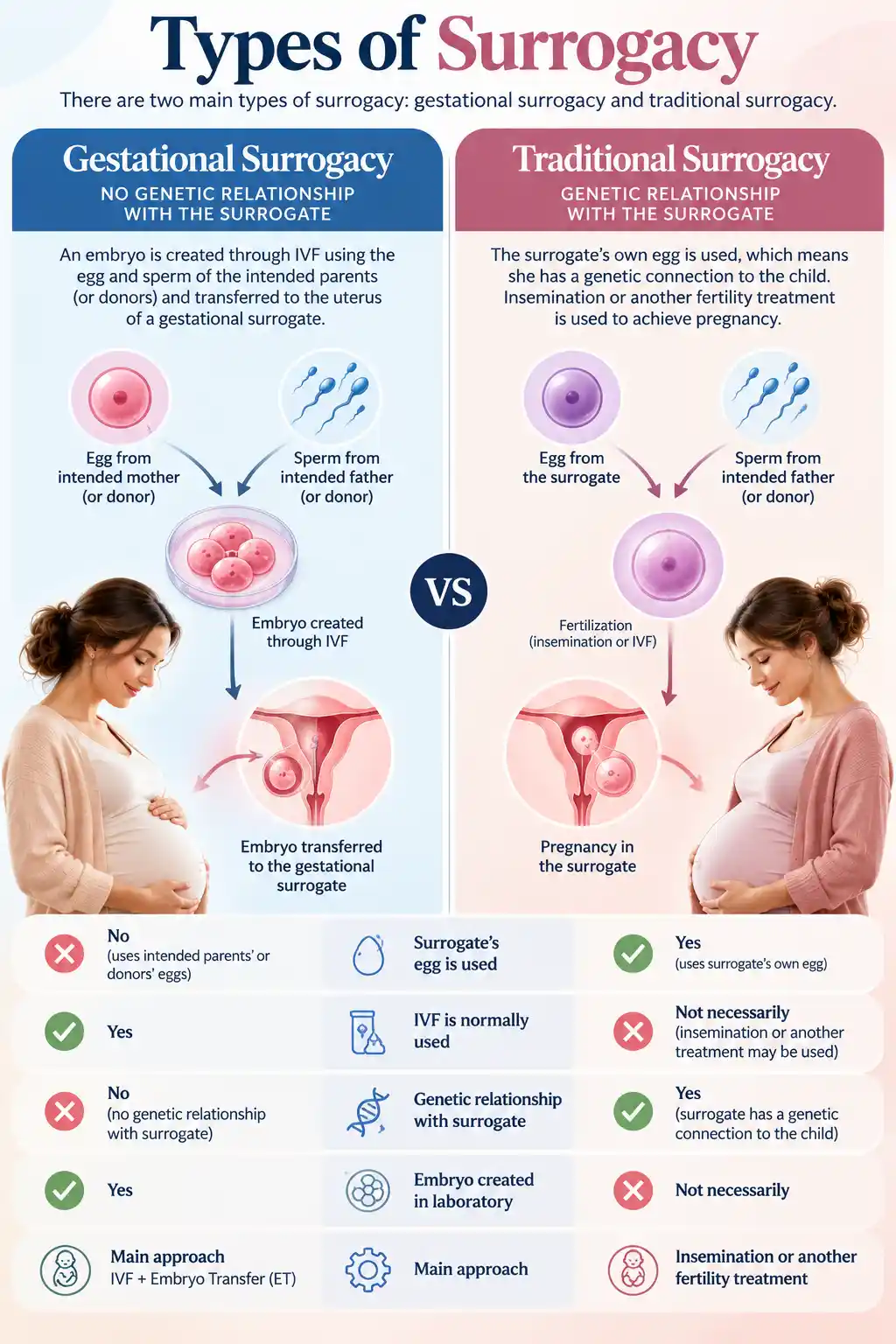
There are two main types of surrogacy: gestational and traditional.
| Feature | Gestational Surrogacy | Traditional Surrogacy |
|---|---|---|
| Surrogate's egg is used | No | Yes |
| IVF is normally used | Yes | Not necessarily |
| Genetic relationship with surrogate | No | Yes |
| Embryo created in laboratory | Yes | Not necessarily |
| Main approach | IVF + ET | Insemination or another fertility treatment |
Gestational surrogacy is the form generally associated with modern IVF treatment.
An embryo is created in the laboratory and transferred to the uterus of the woman who will carry the pregnancy.
The egg may come from the intended mother or an egg donor, while sperm may come from the intended father or a donor when medically required.
In traditional surrogacy, the surrogate's own egg is used.
This means that the surrogate has a genetic connection to the child, making the medical and legal circumstances different from gestational surrogacy.
Surrogacy isn't necessary for everyone experiencing infertility.
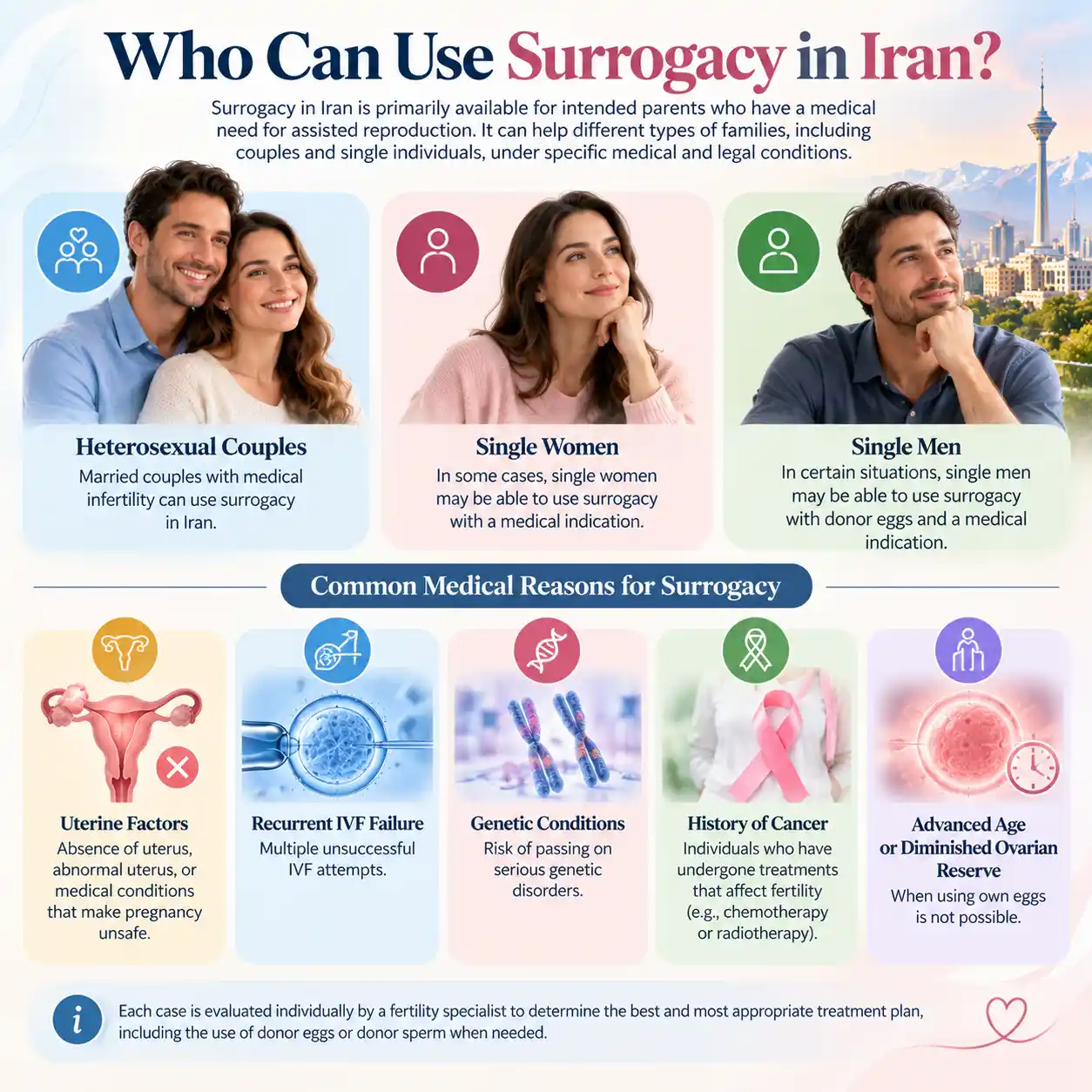
It may be considered when the intended mother cannot safely carry a pregnancy, doesn't have a functioning uterus, or has a medical condition that makes pregnancy particularly risky.
Potential medical indications may include:
Absence of the uterus
Previous hysterectomy
Severe uterine abnormalities
Significant uterine damage
Severe intrauterine adhesions
Repeated implantation failure in selected cases
Recurrent pregnancy loss in selected cases
Serious heart conditions
Certain kidney diseases
Severe systemic diseases
Medical conditions in which pregnancy may create significant health risks
Certain treatments or medications that aren't compatible with pregnancy
A medical evaluation is required to determine whether surrogacy is appropriate.
VitaLife's surrogacy pathway is primarily designed for eligible heterosexual couples who meet the applicable medical and program requirements.
When medically appropriate, the couple can use their own eggs and sperm to create embryos through IVF.
Single parents should not assume that the same surrogacy pathway is available to them.
Eligibility can depend on family status, nationality, medical circumstances, and the requirements applicable to the individual case.
For this reason, single parents should confirm their eligibility with the VitaLife team before planning treatment or travelling to Iran.
The decision to use a surrogate should always be based on an appropriate medical assessment.
| Condition | Why Surrogacy May Be Considered |
|---|---|
| No uterus | Pregnancy cannot be carried |
| Hysterectomy | The uterus has been removed |
| Severe uterine abnormality | May make pregnancy unsafe or difficult |
| Intrauterine adhesions | May affect implantation |
| Repeated implantation failure | An alternative approach may be considered |
| Recurrent pregnancy loss | Carrying another pregnancy may be difficult |
| Serious cardiac disease | Pregnancy may carry significant health risks |
| Kidney disease | Pregnancy may not be medically advisable in some cases |
| Severe systemic disease | Pregnancy may worsen the condition |
| Certain medications | May not be compatible with pregnancy |
Having one of these conditions doesn't automatically mean that surrogacy is the only option. The fertility specialist should evaluate each case individually.
Surrogacy in Iran: Cost Compared with Other Destinations
Indicative estimates only. Costs, eligibility and legal requirements vary by country and individual circumstances. Confirm current details before making decisions.
Bars compare the upper end of each entered range; prices are user-provided estimates, not verified quotes.
Surrogacy in Iran for foreigners involves both medical treatment and international-patient coordination.
Foreign intended parents may need to arrange:
Medical record review
Fertility assessment
IVF treatment
ICSI when indicated
Egg retrieval
Embryo creation
Genetic testing when appropriate
Egg donation in iran when required
Surrogate selection
Medical and psychological screening
ET
Pregnancy monitoring
Visa requirements
Travel arrangements
Legal contracts and documentation
Birth-related paperwork
Exit procedures
VitaLife coordinates these stages so international patients don't have to arrange every service separately.
For many international intended parents, the decision comes down to a combination of medical care, affordability, accessibility, and support.
Iran has become a leading destination for surrogacy for some international patients because it offers a combination of fertility treatment services and comparatively lower treatment costs.
The cost of performing surrogacy in Iran is lower than in many other countries, which makes it particularly attractive to families comparing international treatment options.
Iran has established fertility centers offering services such as IVF, ICSI, embryology, embryo freezing, and genetic testing when medically appropriate.
International patients can receive support with medical coordination, visa requirements, transportation, translation, accommodation, and documentation.
For people travelling abroad for fertility treatment, having local support can make the experience less stressful.
Iran's welcoming culture and hospitality can also make the overall trip more comfortable and enjoyable.
VitaLife provides structured treatment packages so intended parents can compare their options according to their medical requirements and budget.
Choosing a country for surrogacy involves more than comparing one price against another.
International intended parents may consider:
| Factor | Why It Matters |
|---|---|
| Treatment cost | Helps families plan their overall budget |
| IVF expertise | Important for embryo creation |
| ICSI | Useful in selected fertility cases |
| Egg donation | Important when the intended mother's eggs can't be used |
| Genetic testing | May be considered for selected embryos |
| Surrogate screening | Helps assess medical suitability |
| Pregnancy care | Important after ET |
| International support | Helps patients navigate treatment abroad |
| Visa assistance | Simplifies travel planning |
| Legal documentation | Important for the surrogacy journey |
| Delivery coordination | Connects fertility treatment with maternity care |
| Post-birth support | Helps with documentation and departure |
This combination of low-cost, medical services, international support, and a coordinated treatment pathway is why some intended parents consider Iran among their trusted options for international surrogacy.
When international intended parents search for the Best Surrogacy Clinics in Iran, the fertility clinic is only one part of the decision.
What matters is how well the entire journey is coordinated.
At VitaLife, we don't simply arrange an IVF appointment and leave you to manage everything else.
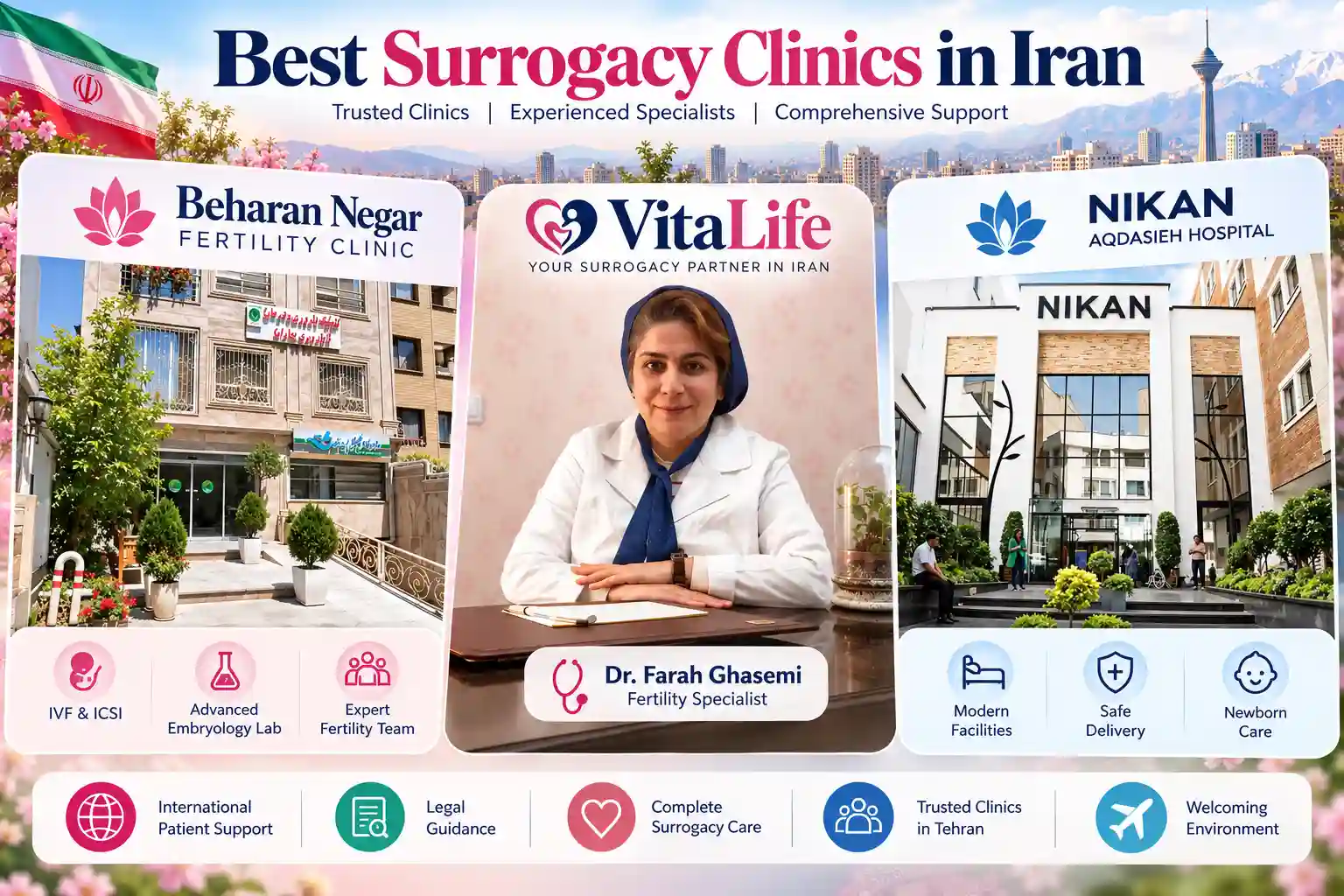
For the IVF stage, VitaLife coordinates treatment with Beharan Negar Fertility Clinic.
The medical care is provided under the supervision of Dr. Farah Ghasemi, while Mobina Hosseini, our specialist midwife and dedicated consultant, supports intended parents throughout the journey.
For delivery, VitaLife coordinates care at Nikan Aqdasieh Hospital.
Most importantly, Mobina Hosseini stays alongside the intended parents from the initial consultation through treatment, pregnancy, delivery, documentation, and departure from Iran.
| Stage | Care | Provider / Location |
|---|---|---|
| Initial consultation | Treatment planning and guidance | VitaLife team |
| IVF treatment | IVF / ICSI and fertility treatment | Beharan Negar Fertility Clinic |
| Medical supervision | Fertility care | Dr. Farah Ghasemi |
| Embryology | Embryo development and laboratory services | Beharan Negar Fertility Clinic |
| Surrogate coordination | Selection and screening coordination | VitaLife team |
| Pregnancy care | Prenatal follow-up | Medical team |
| Dedicated support | Consultation and coordination | Mobina Hosseini, specialist midwife |
| Delivery | Maternity and delivery care | Nikan Aqdasieh Hospital |
| Post-delivery | Documentation and coordination | VitaLife team |
| Departure | Exit and travel assistance | VitaLife team |
The IVF stage is coordinated with Beharan Negar Fertility Clinic.
Depending on the treatment plan, this stage may include:
Fertility assessment
Ovarian stimulation
Egg retrieval
IVF
ICSI
Embryo culture
Embryo freezing and storage
Genetic testing when appropriate
Preparation for ET
Once pregnancy is established, the focus moves to prenatal care and pregnancy monitoring.
VitaLife coordinates delivery at Nikan Aqdasieh Hospital, connecting the fertility treatment stage with maternity care.
Your Dedicated Midwife and Consultant
Mobina Hosseini, our specialist midwife, will be with you from consultation to delivery and departure.
She helps coordinate communication, appointments, treatment steps, and practical arrangements throughout your journey.
This means you don't have to figure out every stage by yourself.
The timing and number of trips to Iran depend on your treatment plan.
If the intended mother's own eggs are being used, she may need to travel for ovarian stimulation and egg retrieval.
If embryos have already been created and frozen, the travel schedule may be different.
Before travelling, VitaLife can help coordinate:
Medical record review
Treatment planning
Appointment scheduling
Visa application
Transportation
Accommodation support
Translation
Clinic appointments
The exact travel schedule is determined according to the individual medical plan.
International patients may need a visa to enter Iran.
VitaLife provides visa application assistance for eligible international patients and helps coordinate the documentation needed for the treatment journey.
Visa requirements can vary according to nationality and may change over time, so patients should confirm the current requirements before travelling.
| International Support | VitaLife |
|---|---|
| Visa application assistance | ✓ |
| Medical appointment coordination | ✓ |
| Translator support | ✓ |
| Local transportation | ✓ |
| Treatment planning | ✓ |
| Accommodation support | ✓ |
| Documentation assistance | ✓ |
| Exit permit assistance | ✓ |

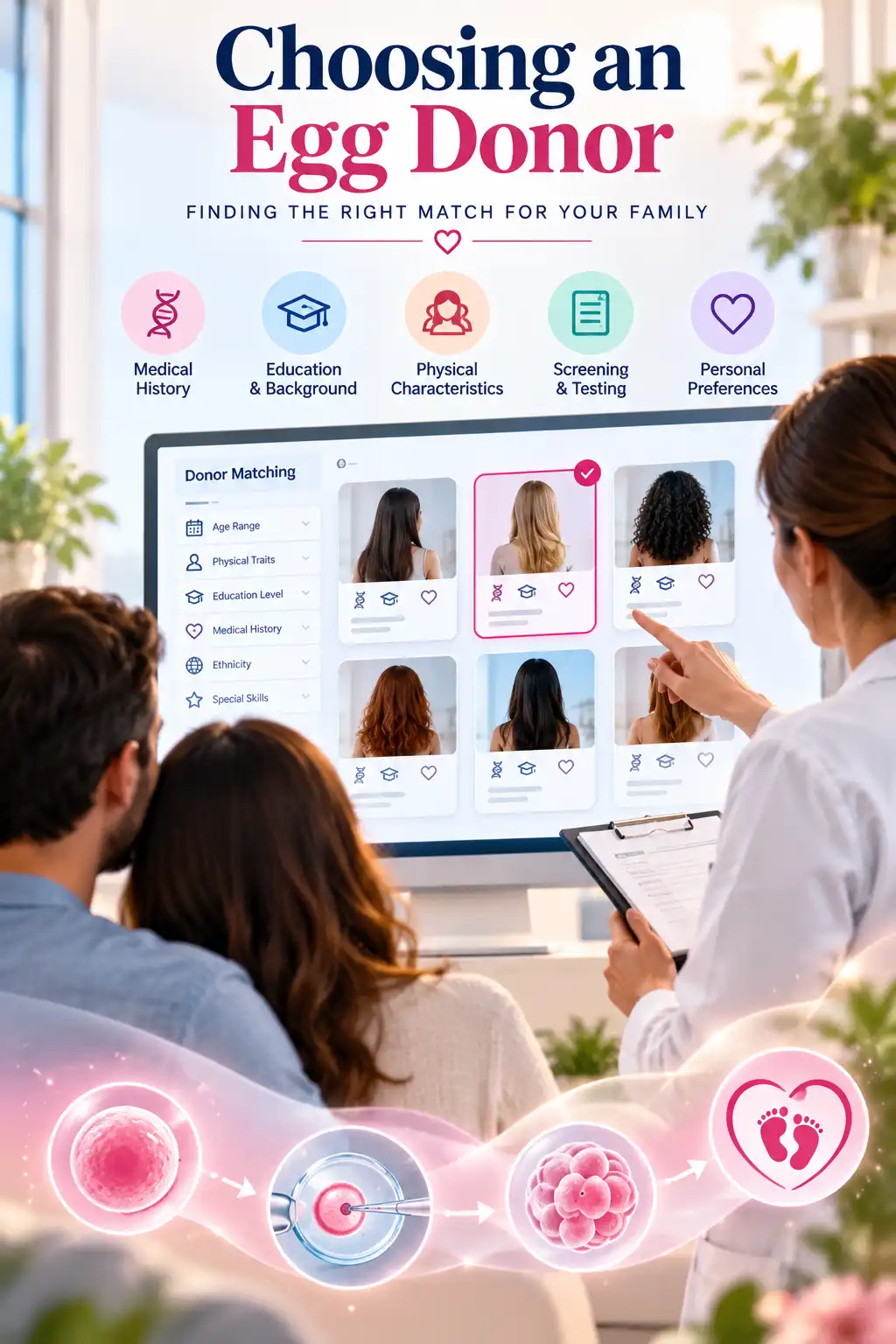
Not every intended mother needs an egg donor.
When her own eggs are medically suitable, IVF can be performed using her eggs.
When they cannot be used or aren't medically appropriate, a donated egg is required.
VitaLife offers an egg donation service that includes matching with verified donors and coordinating the required medical procedures.
| Egg Source | When It May Be Used |
|---|---|
| Intended mother's eggs | When medically suitable |
| Donor eggs | When the patient's eggs cannot be used or aren't recommended |
| Frozen donor eggs | When medically appropriate and available |
The final decision should be made with the fertility specialist based on the patient's circumstances.
If the intended mother's own eggs are being used, ovarian stimulation is performed before egg retrieval.
The retrieved eggs are then fertilized in the laboratory.
Depending on the medical circumstances, the fertility specialist may recommend conventional IVF or ICSI.
| Treatment | Purpose |
|---|---|
| Ovarian stimulation | Helps develop mature follicles |
| Egg retrieval | Collects mature eggs |
| IVF | Fertilizes eggs in the laboratory |
| ICSI | Injects a single sperm directly into an egg |
| Embryo culture | Allows embryos to develop |
| Embryo freezing | Preserves suitable embryos |
After fertilization, embryos are cultured in the embryology laboratory.
Depending on the patient's circumstances, genetic testing may also be considered.
Common terms include:
PGT-A – chromosome screening of embryos
PGT-M – testing for certain known single-gene conditions
PGD – an older term still commonly used for certain preimplantation genetic testing
PGS – an older term commonly used for embryo chromosome screening
VitaLife offers PGS and PGD as optional services.
Choosing a surrogate mother is an important stage of the process.
VitaLife coordinates surrogate selection according to the medical requirements of the program.
The assessment can include:
Previous pregnancy history
Previous delivery
Reproductive history
General medical history
Gynecological assessment
Laboratory testing
Infectious disease screening
Psychological assessment
Psychiatric evaluation
Informed consent
The purpose is to determine whether the candidate is medically and psychologically appropriate to carry the pregnancy and understands the process.
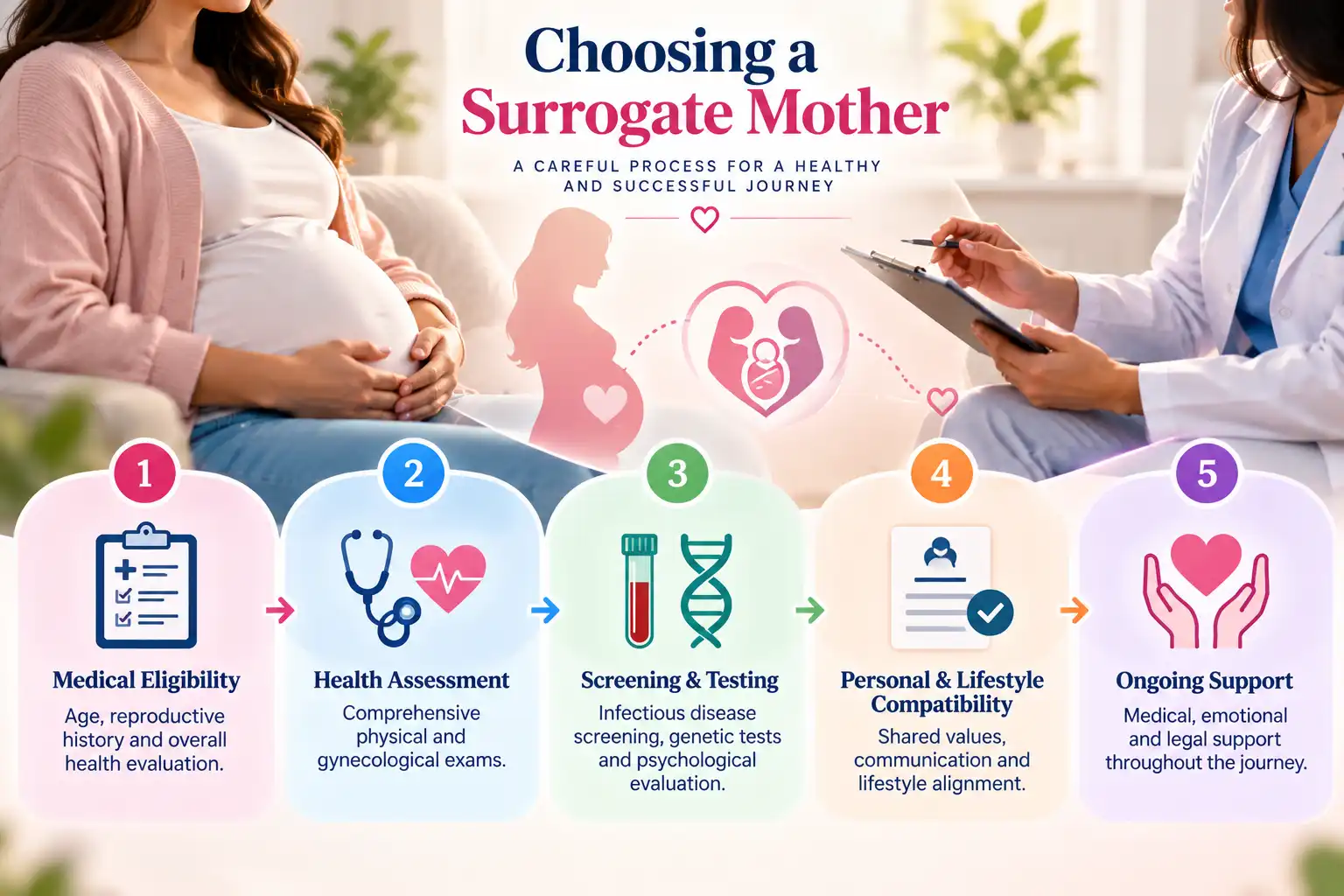
Surrogate screening involves more than a basic medical examination.
The process can include several areas of assessment:
| Screening | Purpose |
|---|---|
| Medical examination | Assess general health |
| Gynecological assessment | Evaluate reproductive health |
| Uterine assessment | Evaluate pregnancy suitability |
| Laboratory testing | Assess relevant health markers |
| Infectious screening | Identify relevant infections |
| Psychological assessment | Evaluate emotional readiness |
| Psychiatric assessment | Review relevant psychiatric considerations |
| Medical history | Review previous pregnancies and conditions |
| Informed consent | Confirm understanding of the process |
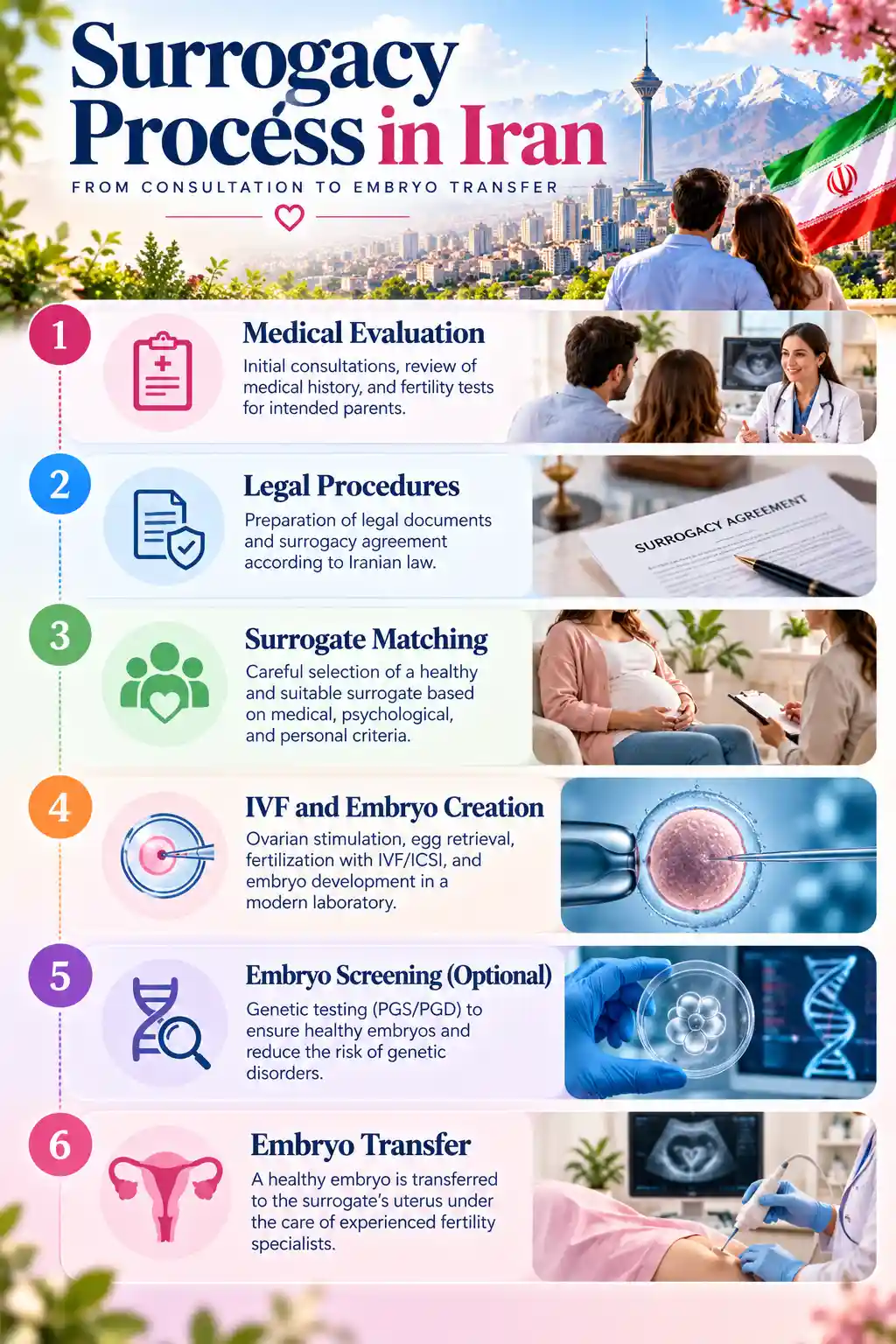
The Surrogacy Process in Iran generally follows several stages:
Medical Evaluation → IVF/ICSI → Embryo Creation → Genetic Testing if Required → Surrogate Selection → Screening → Uterine Preparation → ET → Pregnancy Monitoring → Delivery → Documentation
The exact sequence can vary depending on the intended parents' medical situation.
The process begins with a review of the intended parents' medical history.
The fertility specialist may review:
Previous IVF cycles
Previous pregnancies
Miscarriages
Implantation history
Uterine condition
Ovarian reserve
Egg quality
Sperm quality
Genetic history
Previous treatments
This information helps determine the appropriate treatment pathway.
The IVF process begins with ovarian stimulation and egg retrieval when the intended mother's own eggs are used. The eggs are then fertilized through IVF or ICSI, depending on the medical recommendation. The resulting embryos are cultured and assessed as they develop before an embryo is selected for transfer to the gestational surrogate.
Some intended parents may choose or be medically advised to consider embryo genetic testing.
If testing is performed, suitable embryos can then be selected for transfer according to the treatment plan.
A suitable surrogate is selected after the required screening and assessment.
The process considers medical history, reproductive health, laboratory results, psychological readiness, and other relevant requirements.
Before ET, the surrogate's uterine lining is prepared.
Hormonal medication may be prescribed, and ultrasound examinations are used to assess the endometrium and determine appropriate timing.
Depending on the medical plan and embryo development, the embryo may be transferred as a Fresh Embryo Transfer or a Frozen Embryo Transfer (FET). A fresh transfer is performed during the same treatment cycle after embryo development, while a frozen embryo transfer uses an embryo that has been previously frozen and stored. The appropriate approach depends on the medical circumstances and the recommendation of the fertility specialist.
Once the uterus is ready, the selected embryo is transferred into the surrogate's uterus using a thin catheter. The procedure is minimally invasive and generally does not require major surgery.
| Transfer | Meaning |
|---|---|
| Fresh ET | Embryo transferred during the same treatment cycle |
| FET | Previously frozen embryo transferred later |
| Single ET | One embryo transferred |
| Multiple ET | More than one embryo transferred when medically appropriate |
The number of embryos transferred is determined by the fertility specialist.
After ET, the surrogate continues the prescribed medication and attends follow-up appointments.
About 15 days after transferring the embryo, a pregnancy test may be performed according to the fertility center's protocol.
If the result is positive, additional testing and ultrasound examinations are used to confirm and monitor the pregnancy.
A positive test is an important milestone, but regular medical care is still required.
Pregnancy is established when the transferred embryo successfully implants and continues developing.
Pregnancy hormone levels can then be measured through blood testing, followed by appropriate medical and ultrasound assessment.
The fertility and pregnancy-care team continues monitoring the surrogate as the pregnancy develops.
Once pregnancy is confirmed, the surrogate receives prenatal care and regular monitoring.
This may include:
Blood tests
Ultrasound examinations
Fetal growth assessments
Maternal health checks
Medication management
Nutritional guidance
Prenatal consultations
VitaLife coordinates communication between the intended parents and the medical team throughout the pregnancy.
As the pregnancy progresses, the medical team prepares for delivery.
VitaLife coordinates delivery at Nikan Aqdasieh Hospital.
Depending on the selected package, services can include:
Prenatal care
Delivery costs
Nutritional support
Newborn screening
Newborn vaccinations
Medical coordination
After delivery, the process moves to documentation and travel arrangements.
Surrogacy also has an important legal and administrative side.
Legal contracts and appropriate documentation help establish the responsibilities of the parties involved.
Documentation may address matters such as:
Consent
Medical responsibilities
Pregnancy care
Delivery
Financial responsibilities
Confidentiality
Post-birth responsibilities
Parentage-related documentation
International intended parents should also consider the requirements of their home country before beginning treatment.
Yes. Surrogacy is practiced in Iran within a medical and legal framework.
The process involves medical treatment, informed consent, and appropriate documentation.
For international intended parents, specific eligibility and documentation requirements can depend on their circumstances and nationality.
So, the simple answer is: yes, surrogacy is available in Iran, but your specific requirements should be confirmed before treatment.
Surrogacy isn't completely risk-free. IVF, embryo transfer, pregnancy, and delivery can all involve medical risks.
However, appropriate medical evaluation, surrogate screening, experienced fertility specialists, prenatal care, and regular monitoring can help manage these risks.
At VitaLife, the journey is coordinated across the fertility center, medical team, surrogate care, maternity hospital, and international-patient support.
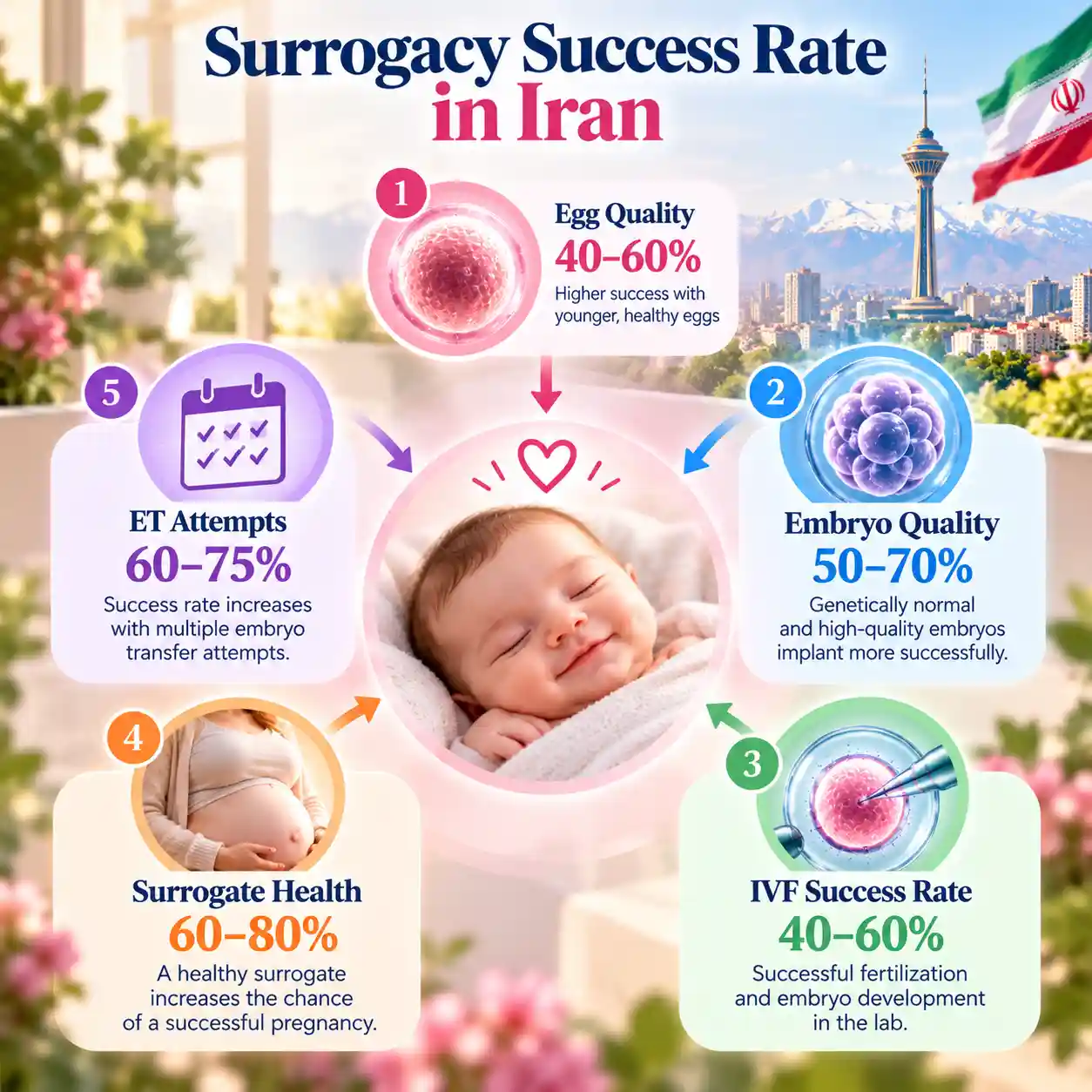
The success rate of surrogacy in Iran depends on factors such as egg age and quality, embryo quality, IVF results, and the health of the gestational surrogate. Some Iranian fertility providers report surrogacy success rates of around 70–80%, although the exact figure can vary depending on how success is measured.
The IVF success rate also varies by age, egg and sperm quality, embryo quality, and individual medical factors. At VitaLife, each case is evaluated individually to determine the most appropriate treatment plan and expected outcome.
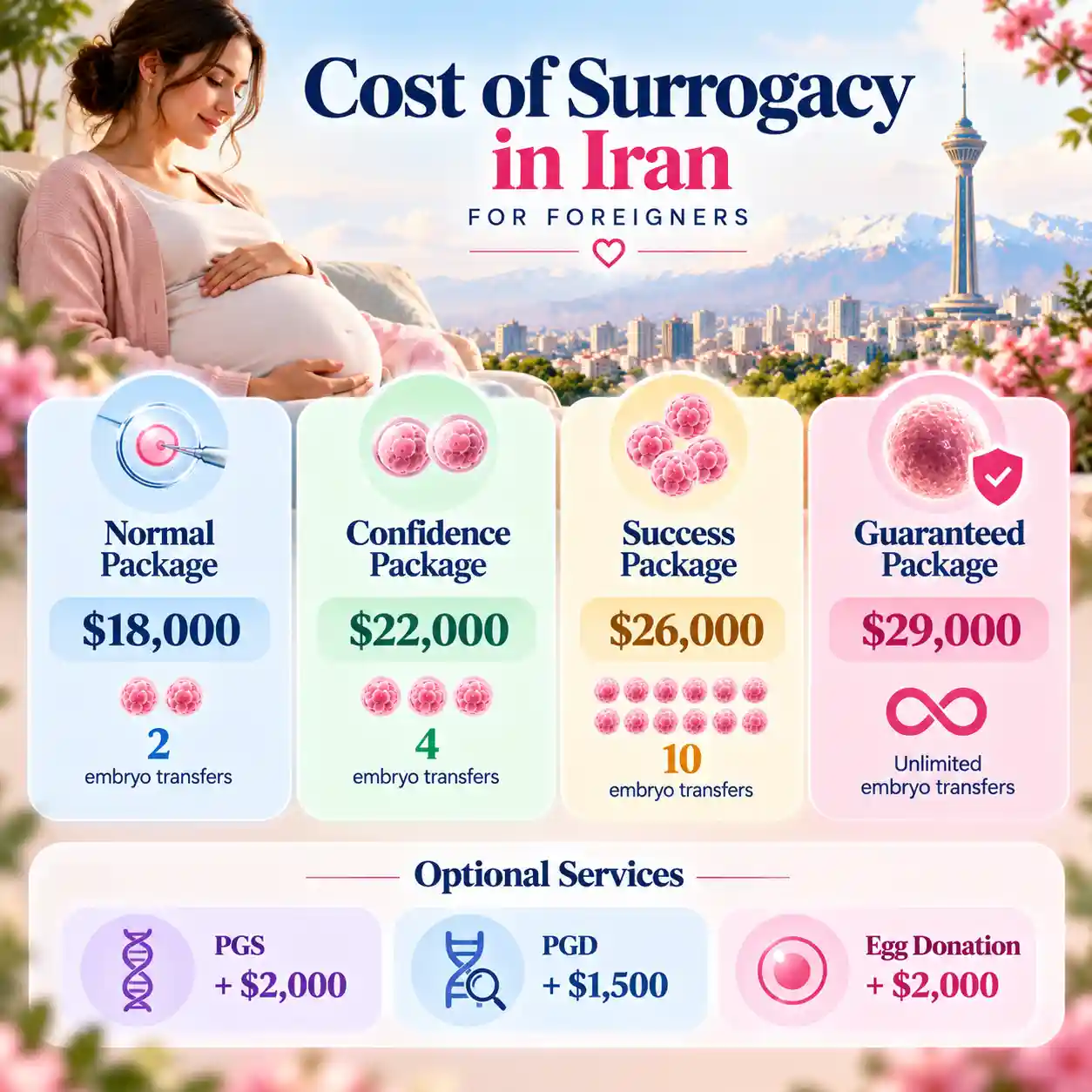
The cost of surrogacy in Iran depends on the treatment package and any additional services required.
VitaLife uses a transparent pricing structure so intended parents can understand what is included before beginning treatment.
Complete transparency • No hidden costs • Comprehensive care
| Service | Additional Cost |
|---|---|
| PGS Genetic Screening | +$2,000 |
| PGD – Gender Selection | +$1,500 |
| Egg Donation Service | +$2,000 |
1 IVF cycle and ICSI procedure
1 ET attempt — fresh or frozen
Initial medical and laboratory examinations
Visa application
Treatment planning and cycle monitoring
Ultrasounds, imaging and laboratory tests
Unlimited medical consultations
Necessary medications
Specialist/translator accompaniment
Local transportation to/from clinic
Selection of surrogate and medical screening
Prenatal care and nutritional support
Surrogate monthly compensation
Delivery costs
Newborn vaccinations and screening
Paperwork and exit permit assistance
Embryology services
Embryo freezing and storage
Accommodation support
No hidden costs clause
MOST POPULAR
1 IVF cycle + 5 ET attempts
Extended 5-attempt transfer guarantee
Initial medical and laboratory examinations
Visa application and legal support
Treatment planning and cycle monitoring
IVF and ICSI
Ultrasounds, imaging and laboratory tests
Unlimited medical consultations
Necessary medications
Specialist/translator accompaniment
Local transportation
Surrogate selection
Prenatal care
Nutritional support
Delivery costs
Newborn screening
Paperwork and exit permit assistance
Embryology services
Embryo freezing and storage
Flexible payment options
No hidden costs clause
1 IVF cycle + 10 ET attempts
Extended 10-attempt transfer guarantee
Initial medical and laboratory examinations
Treatment planning and monitoring
IVF and ICSI
Complete medical and clinical supervision
Full legal documentation and contract assistance
Local transportation and translator services
Surrogate selection and prenatal care
Nutritional support and monthly compensation
Delivery costs and newborn screening
Paperwork and exit permit assistance
Embryology services
Embryo freezing and storage
Flexible payment
Payment in 3 installments
No hidden costs
All-inclusive structure
Unlimited IVF/ICSI cycles
Unlimited egg donation
Unlimited ET
Initial medical and laboratory examinations
Visa application and legal support
Treatment planning and cycle monitoring
Genetic and infectious screening of egg donor
Ultrasounds, imaging and laboratory tests
Unlimited medical consultations
Necessary medications
Specialist/translator accompaniment
Local transportation
Surrogate selection and full medical scans
Prenatal care and nutritional support
Delivery costs and newborn screening
Paperwork and exit permit assistance
Embryology services
Embryo freezing and storage
Surrogate compensation management
Maximum financial security
No hidden costs clause
| Feature | Normal | Confidence | Success | Guaranteed |
|---|---|---|---|---|
| Starting price | $18,000 | $22,000 | $26,000 | $29,000 |
| IVF cycles | 1 | 1 | 1 | Unlimited |
| ICSI | ✓ | ✓ | ✓ | ✓ |
| ET attempts | 1 | 5 | 10 | Unlimited |
| Egg donation | +$2,000 | +$2,000 | +$2,000 | Included |
| PGS | +$2,000 | +$2,000 | +$2,000 | +$2,000 |
| PGD | +$1,500 | +$1,500 | +$1,500 | +$1,500 |
| Surrogate selection | ✓ | ✓ | ✓ | ✓ |
| Prenatal care | ✓ | ✓ | ✓ | ✓ |
| Delivery | ✓ | ✓ | ✓ | ✓ |
| Newborn screening | ✓ | ✓ | ✓ | ✓ |
| Documentation support | ✓ | ✓ | ✓ | ✓ |
| No hidden costs | ✓ | ✓ | ✓ | ✓ |
Prices and package inclusions should be confirmed with VitaLife before treatment because program terms may change.
The cost of surrogacy in Iran for foreigners follows the same transparent VitaLife package structure, with additional services priced separately when required.
For international intended parents, the total budget may also need to account for travel-related expenses outside the treatment package, such as flights and personal expenses.
The main VitaLife treatment packages currently start at:
| Package | Starting Price |
|---|---|
| Normal | $18,000 |
| Confidence | $22,000 |
| Success | $26,000 |
| Guaranteed | $29,000 |
Optional services:
| Additional Service | Price |
|---|---|
| PGS | +$2,000 |
| PGD | +$1,500 |
| Egg Donation | +$2,000 |
The goal is simple: the price you see is the price you pay, with the selected package and any clearly identified additional services determining the treatment cost.
The cost of performing surrogacy in Iran is lower than in many other international destinations.
But price shouldn't be the only factor when comparing countries.
| Factor | Iran | Higher-Cost Destinations |
|---|---|---|
| Treatment cost | Low-cost | Often considerably higher |
| IVF | Available | Available |
| ICSI | Available | Available |
| Egg donation | Available | Varies |
| Genetic testing | Available when appropriate | Available |
| Gestational surrogacy | Available within applicable framework | Depends on jurisdiction |
| International support | Available through VitaLife | Varies |
| Visa assistance | Available | Varies |
| Pregnancy care | Coordinated | Varies |
| Delivery coordination | Available | Varies |
For families comparing international options, Iran can offer a combination of medical treatment and affordability that makes it worth considering.
There isn't one timeline that applies to every patient.
The journey can include:
Medical Assessment → IVF → Embryo Development → Surrogate Selection → ET → Pregnancy → Delivery → Documentation
The pregnancy itself lasts approximately nine months, but the complete journey can take longer because IVF preparation, embryo development, surrogate selection, and post-birth procedures also require time.
The timeline may depend on:
IVF response
Egg quality
Embryo development
Genetic testing
Donor requirements
Surrogate availability
ET outcome
Pregnancy progress
Documentation requirements
A failed ET doesn't necessarily mean that the treatment has ended.
If suitable embryos remain available, another transfer may be possible depending on the treatment package and medical recommendation.
The medical team may review:
Embryo quality
Endometrial preparation
Hormonal factors
Uterine factors
Genetic testing results
Other relevant medical factors
The next step depends on the individual case.
Surrogacy can provide an important route to parenthood, but it also involves medical, emotional, and practical considerations.
Potential IVF and pregnancy-related risks can include:
Implantation failure
Miscarriage
Multiple pregnancy
Gestational diabetes
High blood pressure
Preterm birth
Pregnancy complications
IVF-related complications
There may also be legal, emotional, and logistical considerations.
This is why appropriate screening, informed consent, medical supervision, and ongoing support are important throughout the journey.
For international intended parents, the journey doesn't end at delivery.
The post-birth stage can involve:
Hospital documentation
Birth documentation
Parentage-related procedures
DNA testing when required
Embassy procedures
Travel documentation
Exit permit assistance
Return-home planning
Requirements can vary according to nationality, so intended parents should also check the requirements of their home country before treatment.
International surrogacy involves many moving parts.
VitaLife brings them together into one coordinated pathway.
| Service | VitaLife Support |
|---|---|
| Initial consultation | ✓ |
| IVF / ICSI coordination | ✓ |
| Egg donation | ✓ |
| Embryology | ✓ |
| Genetic testing coordination | ✓ |
| Surrogate selection | ✓ |
| Medical screening | ✓ |
| Pregnancy monitoring | ✓ |
| Visa assistance | ✓ |
| Translator support | ✓ |
| Local transportation | ✓ |
| Legal documentation support | ✓ |
| Delivery coordination | ✓ |
| Newborn screening | ✓ |
| Exit permit assistance | ✓ |
And throughout the journey, Mobina Hosseini, our specialist midwife and dedicated consultant, supports you from the initial consultation through delivery and your departure from Iran.
You don't have to navigate the entire process alone.
Surrogacy isn't completely risk-free because IVF, pregnancy, and delivery all involve medical risks. Appropriate medical evaluation, surrogate screening, specialist care, prenatal care, and regular monitoring are important parts of the treatment pathway.
Yes. Surrogacy is practiced in Iran within a medical and legal framework. The specific eligibility and documentation requirements can depend on the individual case, so international intended parents should confirm their requirements before treatment.
Iran is considered a low-cost destination compared with many countries where surrogacy can cost substantially more. However, intended parents should compare complete treatment packages rather than looking only at a starting price.
VitaLife's packages currently start at $18,000 for the Normal Package, $22,000 for the Confidence Package, $26,000 for the Success Package, and $29,000 for the Guaranteed Plan.
VitaLife's international surrogacy packages start at $18,000. PGS, PGD, and egg donation are available as additional services when required.
Lower treatment costs, fertility treatment infrastructure, IVF and ICSI services, donor options, and international-patient coordination are among the reasons intended parents consider Iran.
VitaLife's pathway is primarily designed for eligible heterosexual couples who meet the applicable medical and program requirements.
Single-parent eligibility may differ from the pathway available to heterosexual couples. It should be confirmed with VitaLife before treatment or travel arrangements.
A gestational surrogate carries a pregnancy created from an embryo produced through assisted reproduction. She doesn't provide the egg used to create the embryo.
A donor egg may be required when the intended mother's own eggs cannot be used or aren't medically appropriate.
VitaLife offers an egg donation service that includes matching with verified donors and the required medical procedures.
The process can include reviewing medical and reproductive history, laboratory testing, psychological assessment, psychiatric evaluation, and informed consent.
It generally includes medical evaluation, IVF/ICSI, embryo creation, genetic testing when required, surrogate selection, screening, uterine preparation, ET, pregnancy monitoring, delivery, and post-birth documentation.
A pregnancy test may be performed approximately 15 days after embryo transfer, depending on the fertility center's protocol.
No. ICSI is used when medically appropriate. The fertility specialist determines whether conventional IVF or ICSI is recommended.
PGS is an older term commonly used for embryo chromosome screening. The modern terminology is generally PGT-A.
PGD is an older term used for certain forms of preimplantation genetic testing. VitaLife lists PGD for gender selection and specific disease screening as an optional service.
VitaLife's egg donation service is currently listed at +$2,000.
PGS genetic screening is currently listed at +$2,000.
PGD is currently listed at +$1,500.
Yes. Visa application assistance is included in the applicable treatment packages.
International patients generally need to travel to Iran for certain parts of their treatment. The timing and number of trips depend on the individual treatment plan.
Yes. Local transportation and accommodation support are available according to the selected package.
VitaLife's packages include a no hidden costs clause. Optional services such as PGS, PGD, and egg donation have their own clearly listed prices.
Mobina Hosseini, VitaLife's specialist midwife and dedicated consultant, will support you from the initial consultation through delivery and your departure from Iran.
VitaLife coordinates the IVF stage with Beharan Negar Fertility Clinic under the supervision of Dr. Farah Ghasemi.
VitaLife coordinates delivery at Nikan Aqdasieh Hospital.
If you're considering surrogacy abroad, the first step isn't booking a flight.
It's understanding whether surrogacy is appropriate for you, whether you can use your own eggs, whether donor eggs are needed, which treatment package fits your situation, and what the journey will look like from IVF to delivery.
The VitaLife team can review your situation and explain the treatment pathway, estimated costs, visa requirements, travel arrangements, and next steps.
From your first consultation to IVF, surrogate selection, pregnancy care, delivery, documentation, and your departure from Iran, our team is here to coordinate the journey with you.
Contact VitaLife today to discuss your surrogacy options in Iran.
A little life, a world of love.

The beginning of a beautiful new chapter.
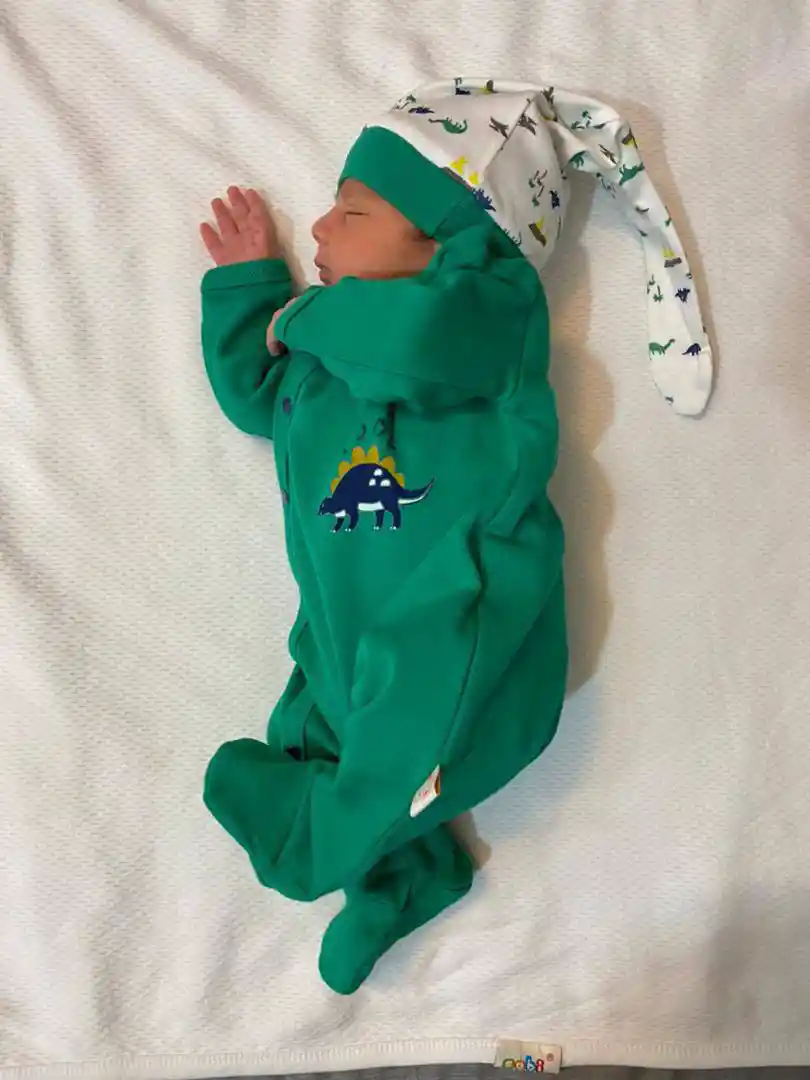
Small moments. A lifetime of meaning.

A precious new beginning.
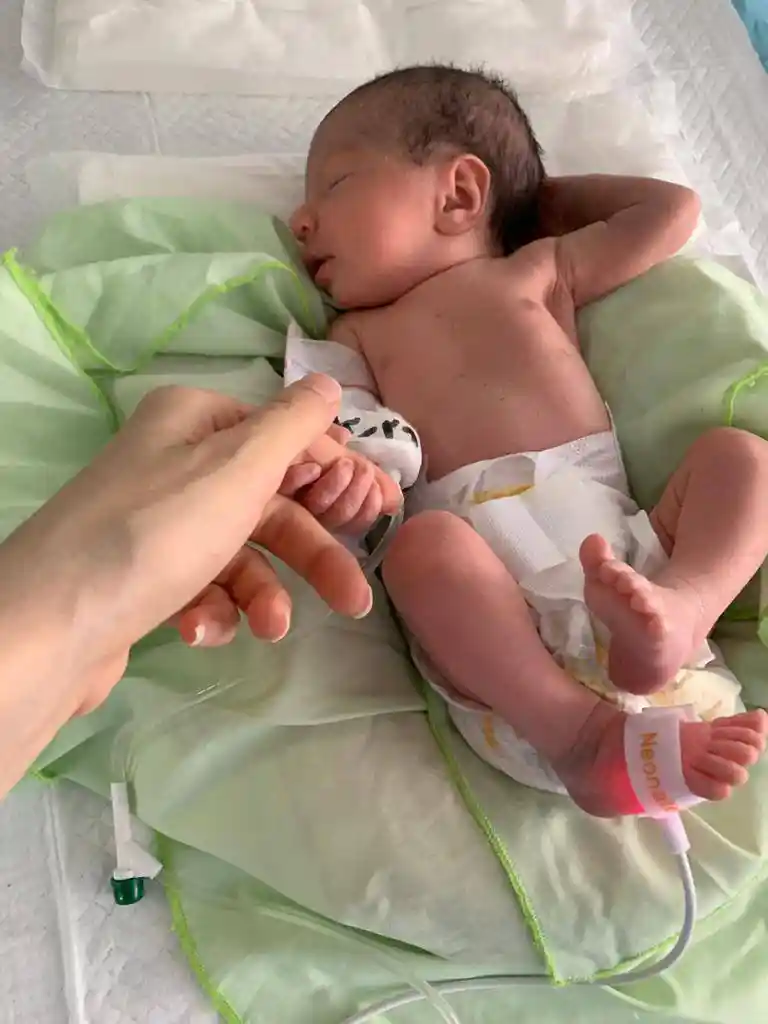
A precious new beginning.
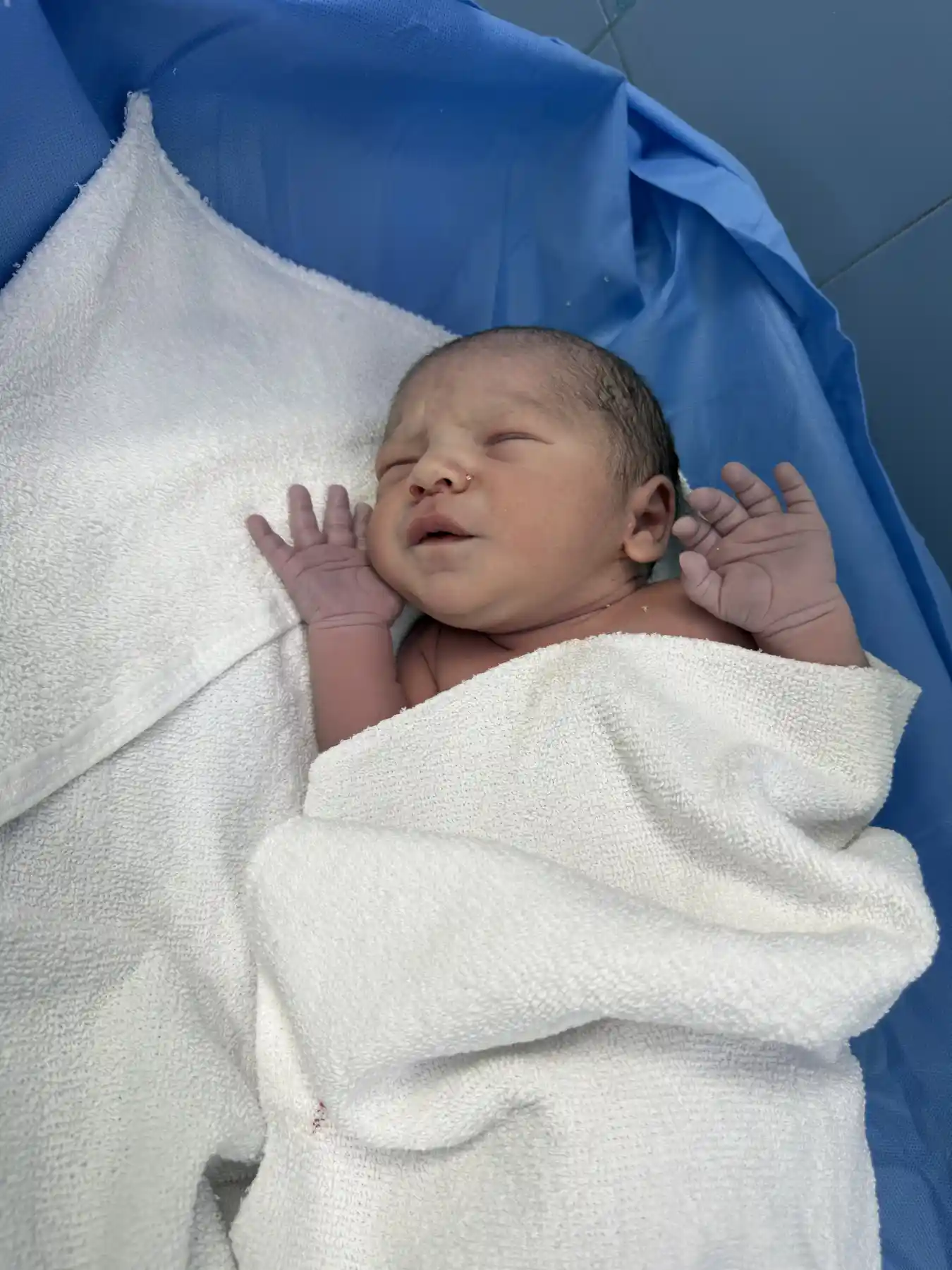
A precious new beginning.
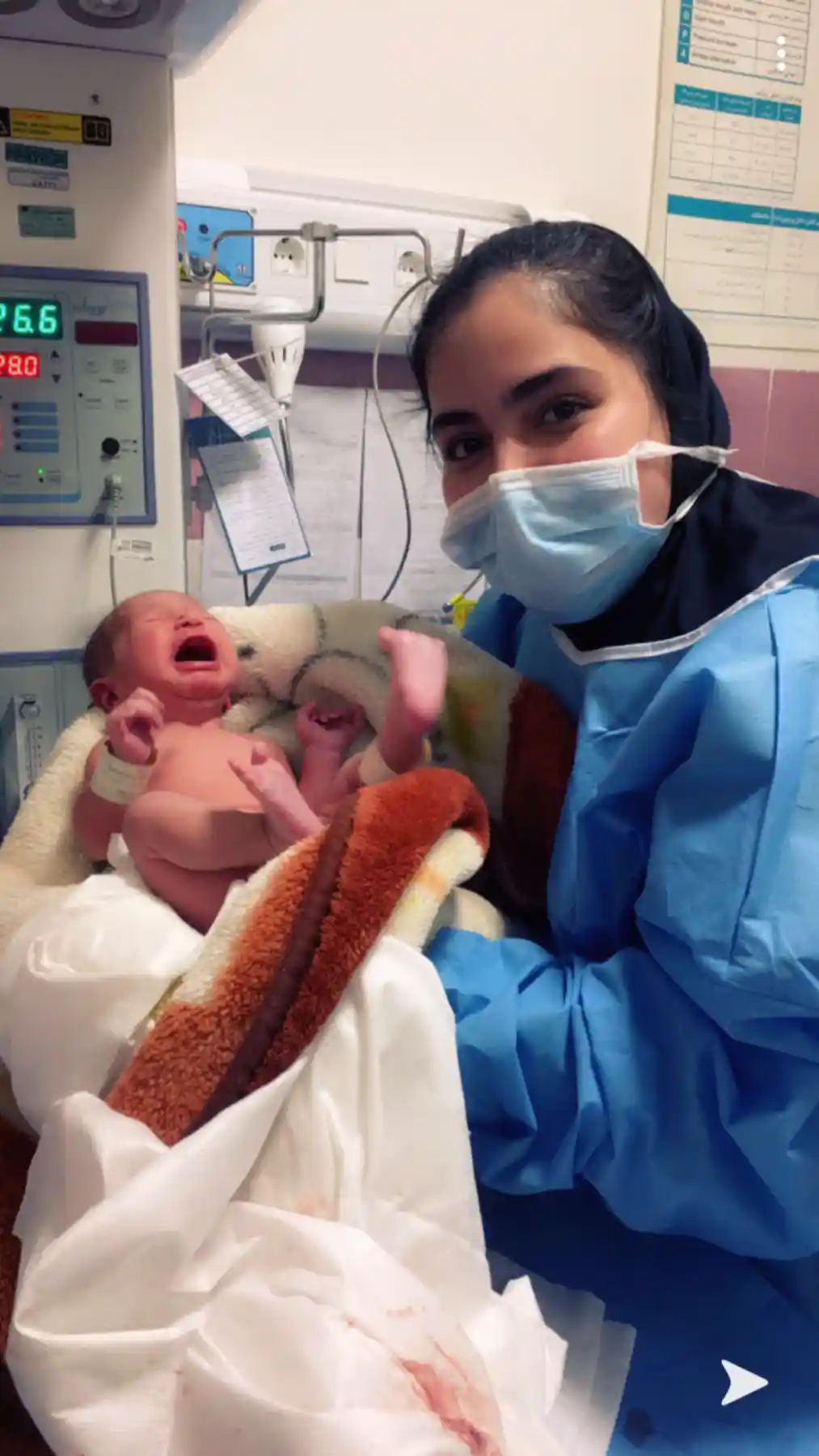
A little miracle, a lifetime of love and hope.
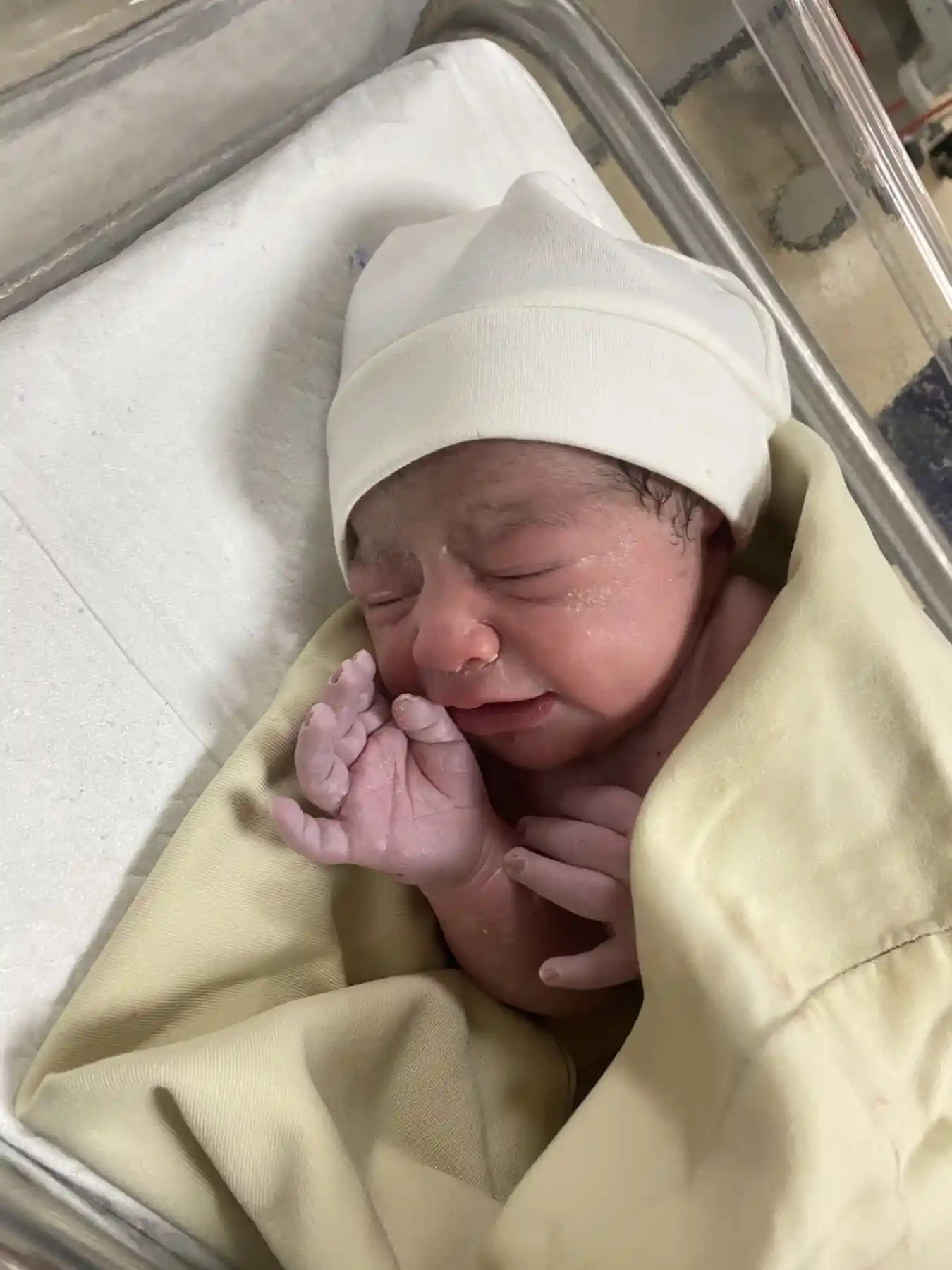
Every tiny hand holds a dream come true for a family
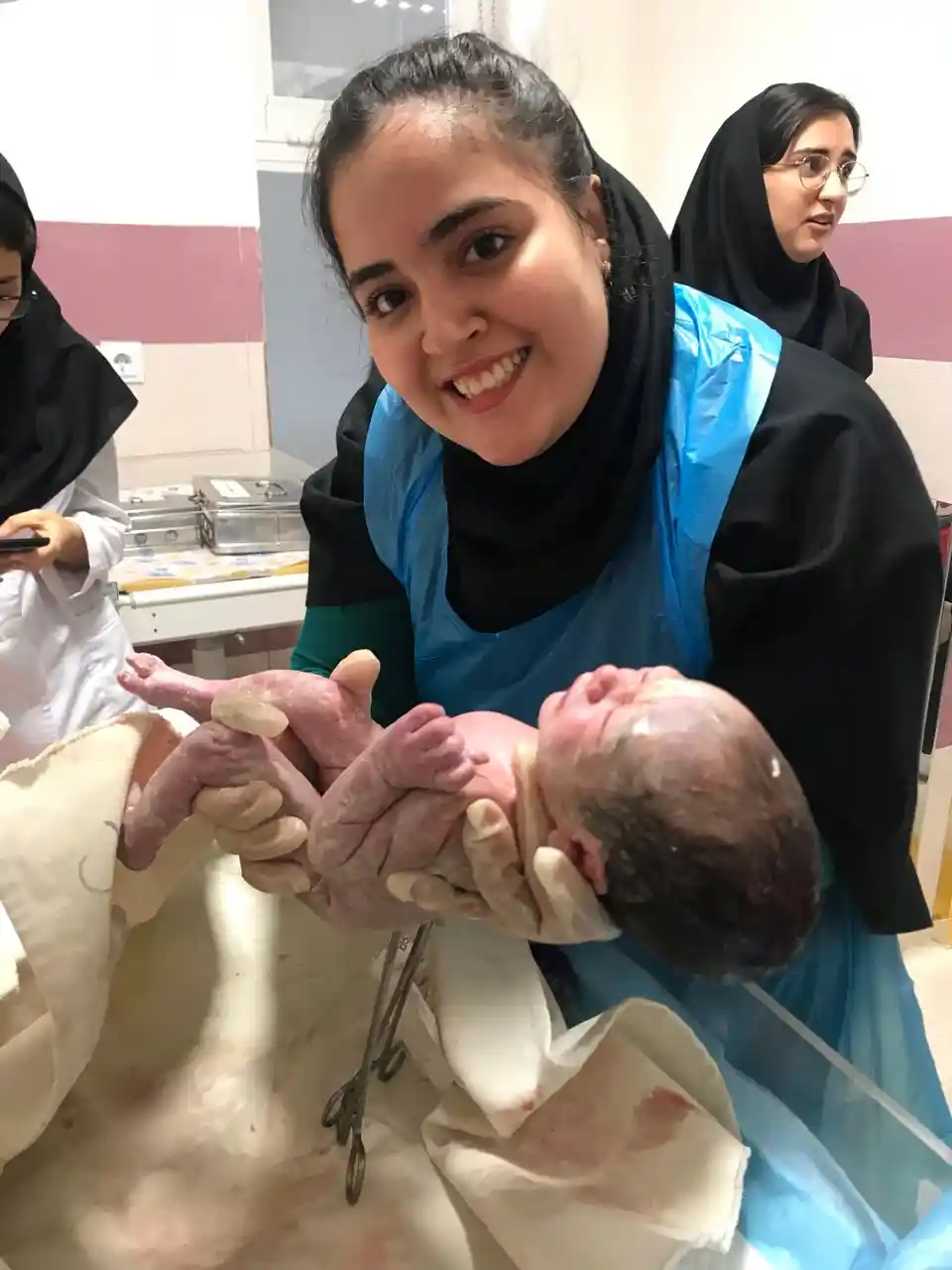
One beautiful beginning, after years of hope and love.
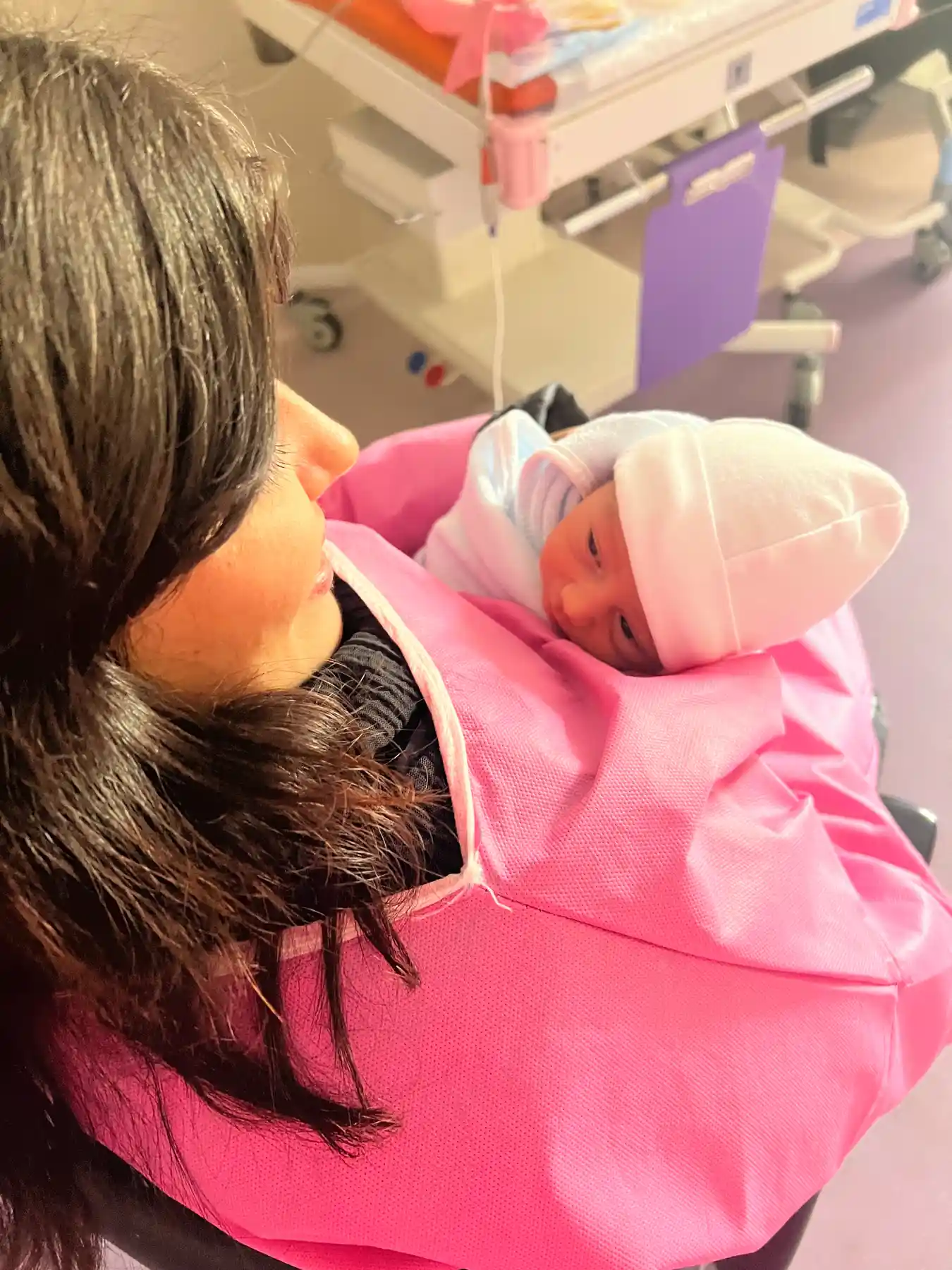
The sweetest answer to a family's heartfelt prayers.
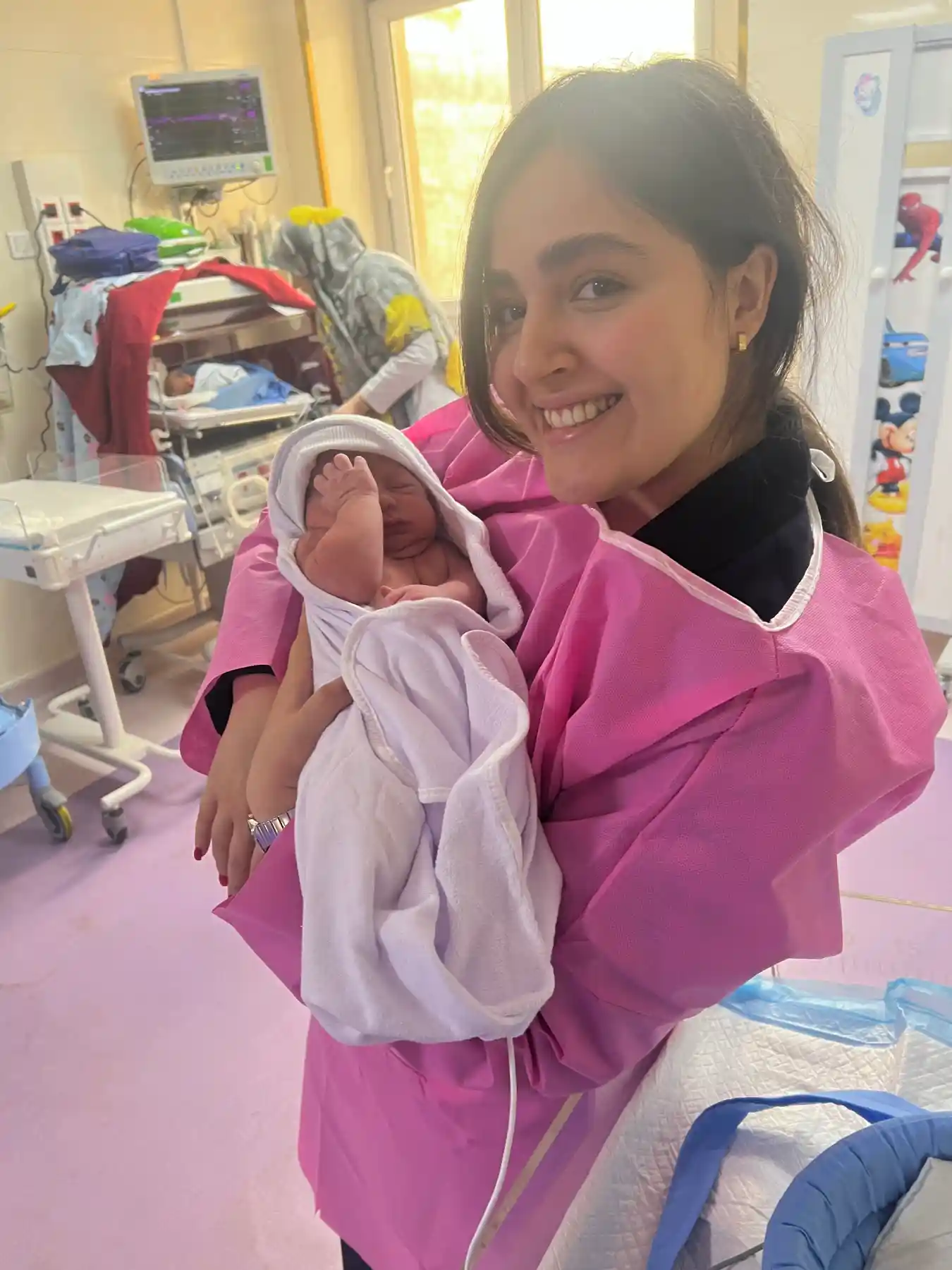
A new chapter begins with the smallest, sweetest smile.

Little feet, endless love, and a dream finally fulfilled.
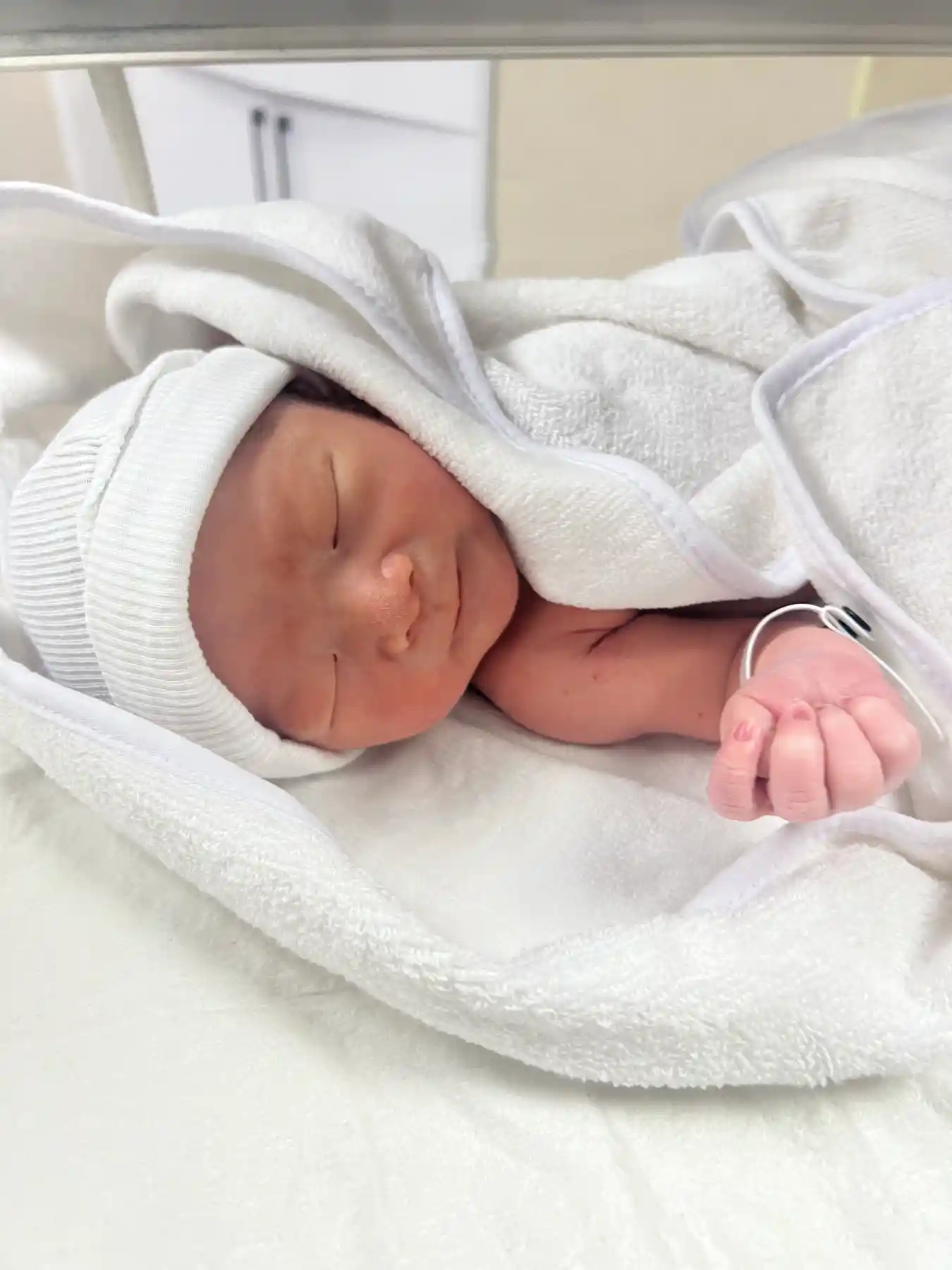
Some dreams arrive wrapped in the tiniest bundle of joy.
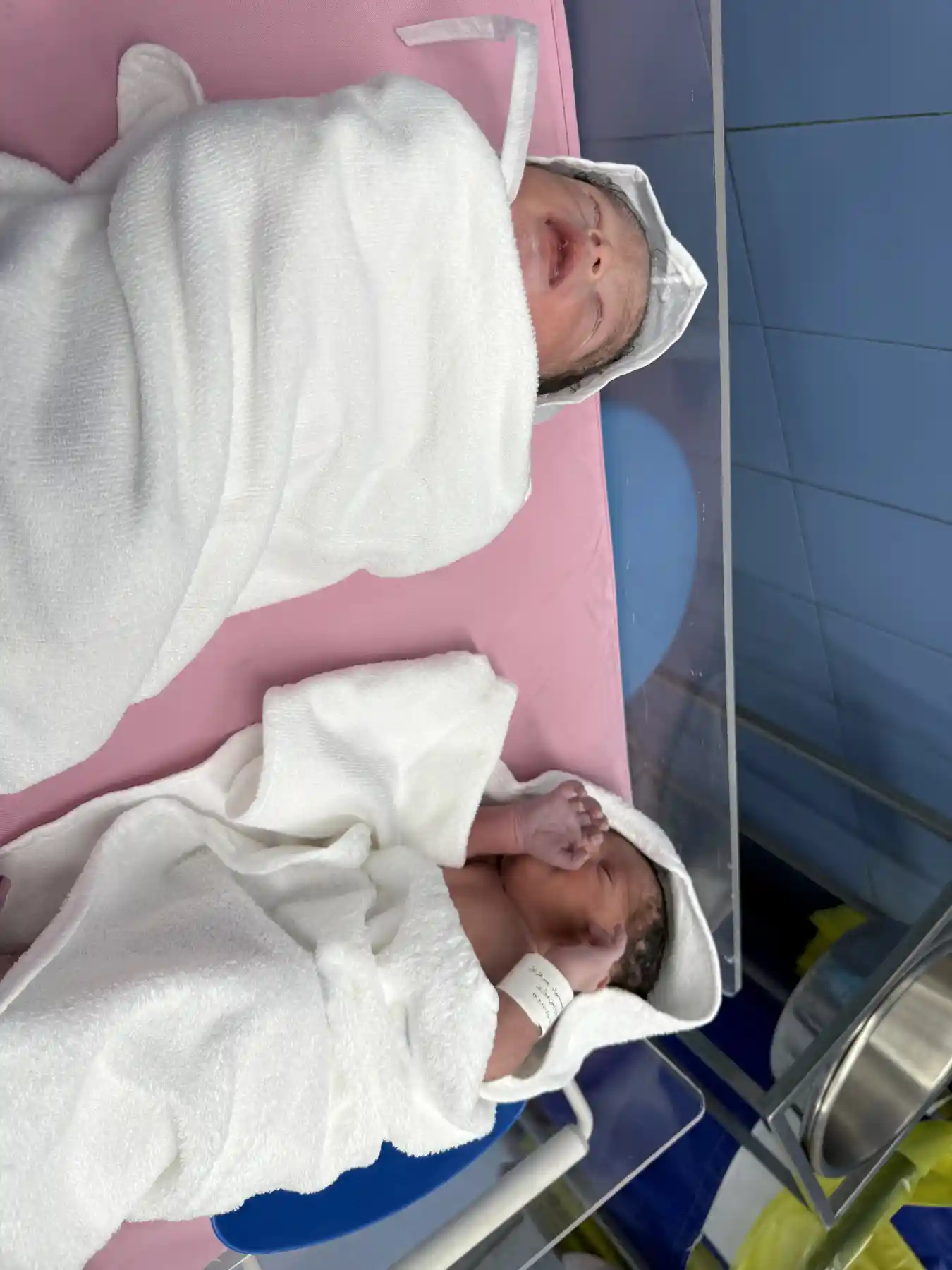
After every wait, a new reason to smile and believe.
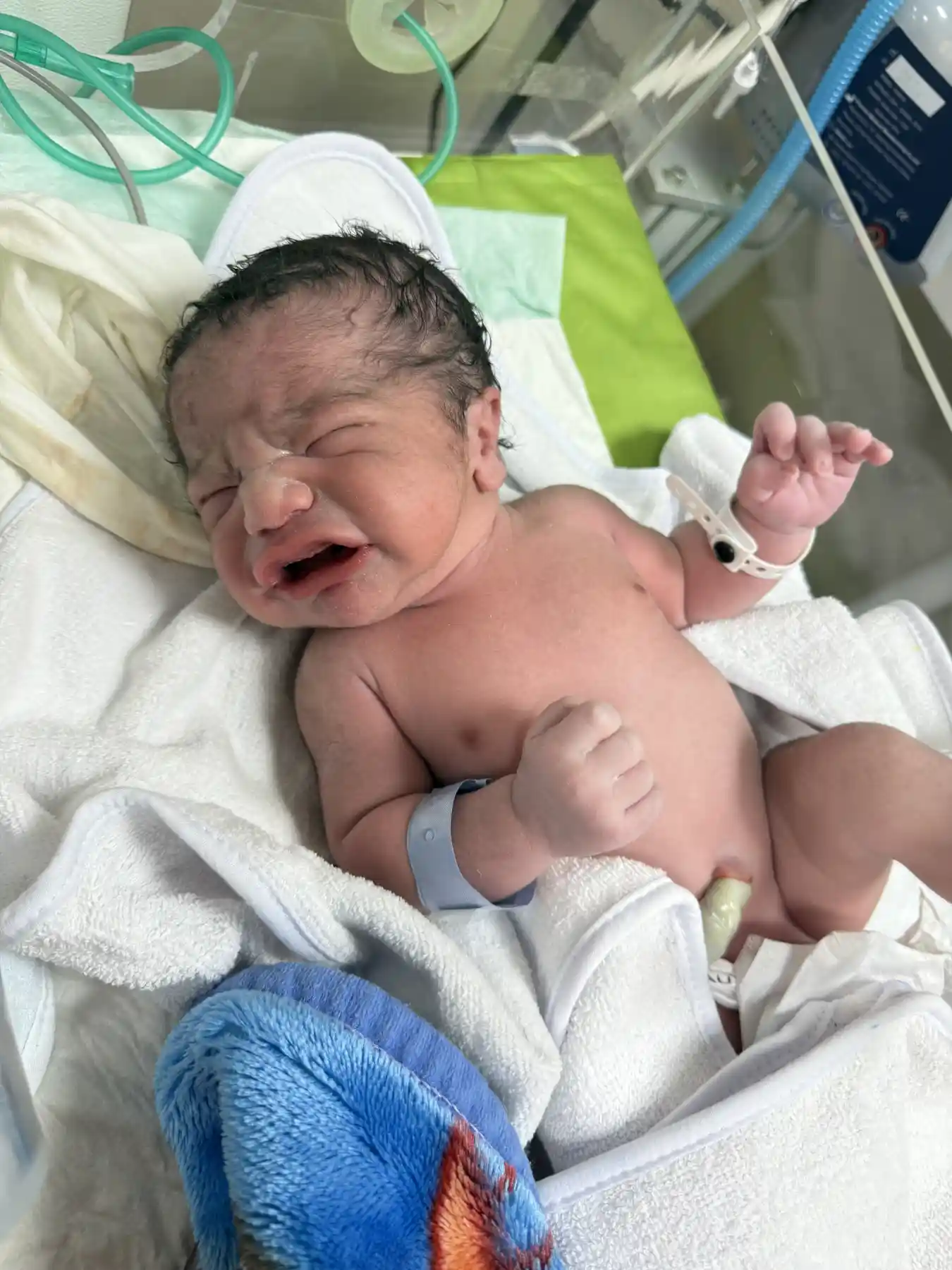
A precious new life makes every hopeful moment worthwhile.

Love grows in ways we once only dreamed possible.
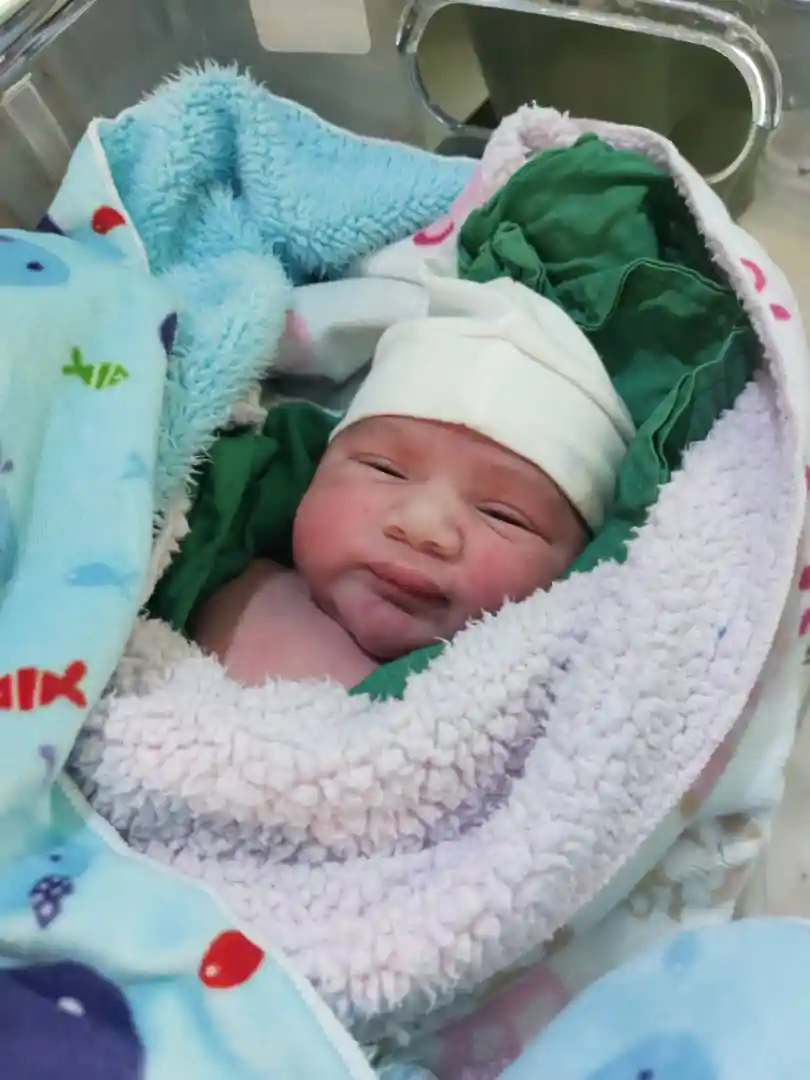
The smallest arrival can bring the biggest happiness.
Meet the specialists supporting fertility care and treatment planning.

Obstetrician and Gynecologist; Fellowship in Infertility and IVF
Infertility and Reproductive Medicine, In Vitro Fertilization (IVF), Obstetrics and Gynecology

Obstetrics & Gynecology | Women’s Health | Reproductive Health

Urologist · Men’s Infertility
Explore the medical center supporting treatment coordination.

Baharan Negar Infertility Clinic is a fertility treatment center located near Vanak Square in Tehran, Iran. The clinic provides reproductive medicine services for individuals and couples experiencing infertility. Its reported services include in vitro ferti...
View Clinic ProfileTalk with VitaLife about your options, practical arrangements and questions to raise with your treating specialist.
Request a consultation